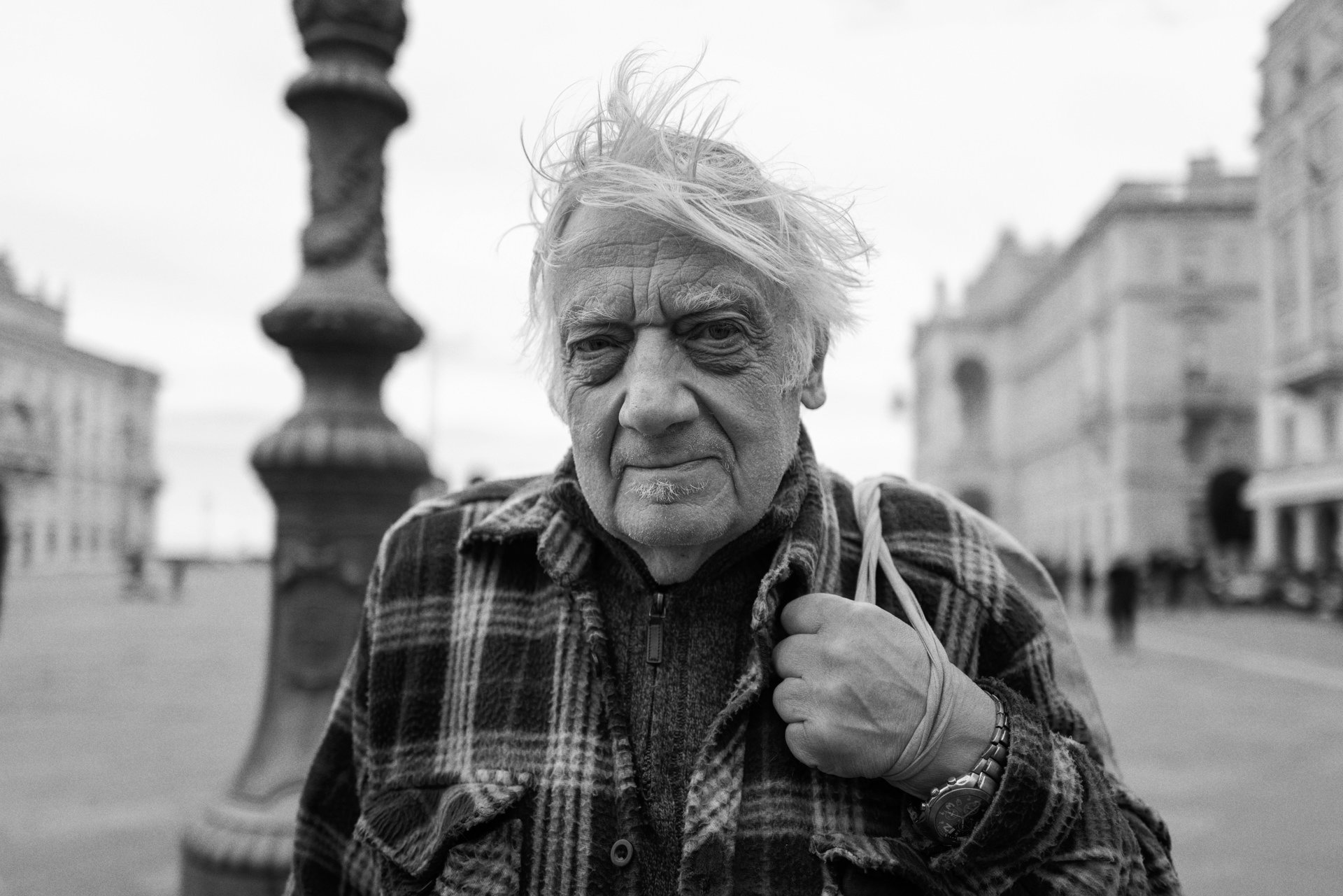
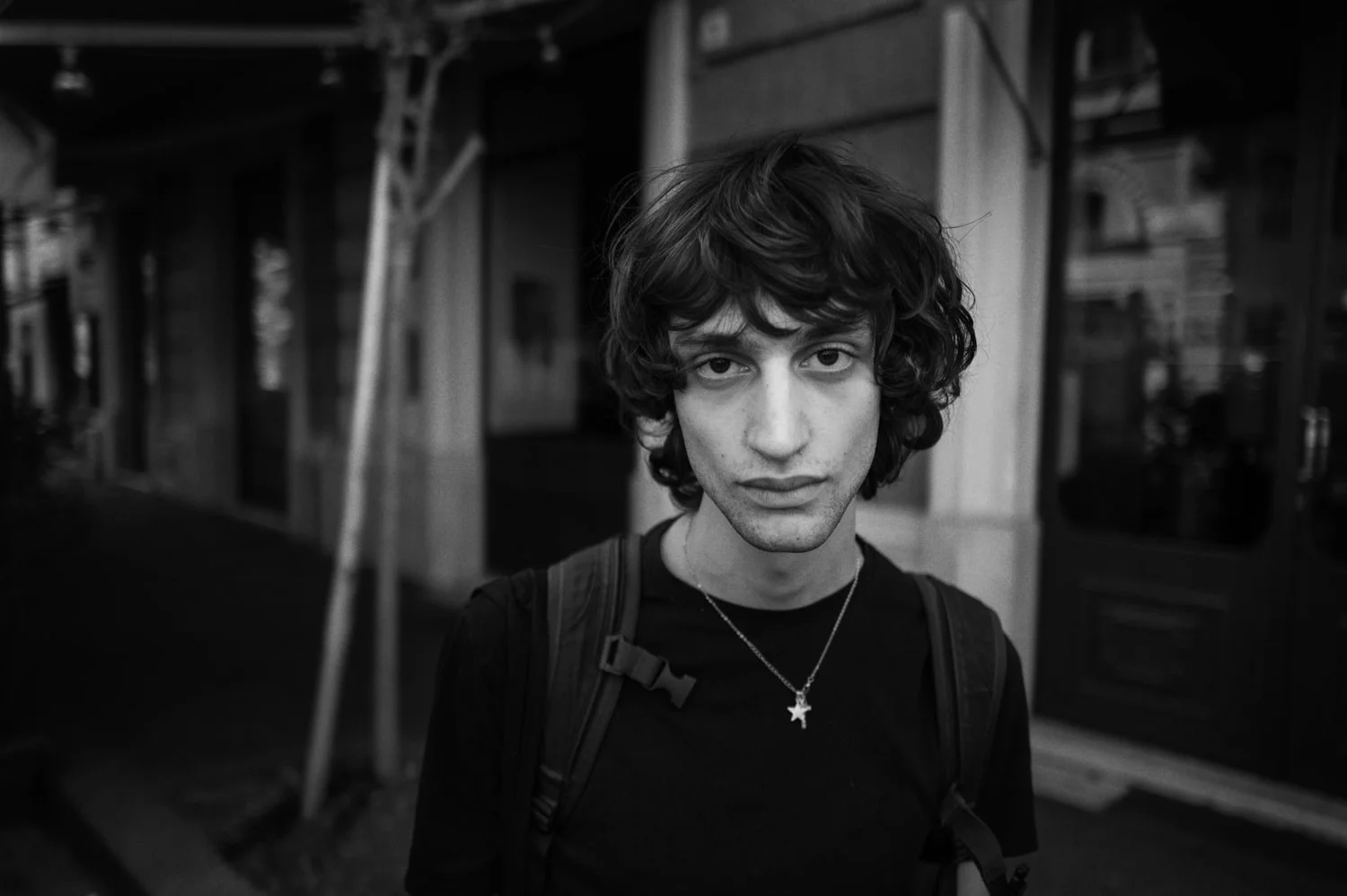
Monochrome Milano: A Black-and-White Street Photography Guide

Stepping into Milano is like entering a chiaroscuro painting, where centuries-old façades meet sleek modern lines under ever-shifting Italian light. This city—internationally revered for its fashion, design, and culinary traditions—unfolds with subtle layers, much like a well-exposed black-and-white negative. As I navigate its streets with my Leica Q—its 28mm lens perfectly suited to capturing both grand architectural scenes and intimate street moments—I find myself in constant dialogue with Milano’s dualities. The Q system’s responsive autofocus and discreet profile enable me to seamlessly shift from the bustling crowds of the Galleria Vittorio Emanuele II to the hushed solitude of a hidden cortile, ensuring that nothing disrupts the quiet poetry of these cityscapes.

My personal bond with Milano stretches back to my first visit as a student of photography, eager to discover how modernity coexists with heritage. Surrounded by gothic spires, Renaissance masterpieces, and contemporary sculptures, I learned quickly that this city can’t be distilled into a single narrative. Instead, it’s a tapestry of contrasting stories: elegant avenues and gritty side streets, Michelin-starred restaurants and neighborhood trattorie, the hush of ancient churches and the hum of cutting-edge fashion ateliers. Shooting in monochrome strips away the distraction of color, leaving me with the stark interplay of light and shadow that reveals the city’s emotional core.
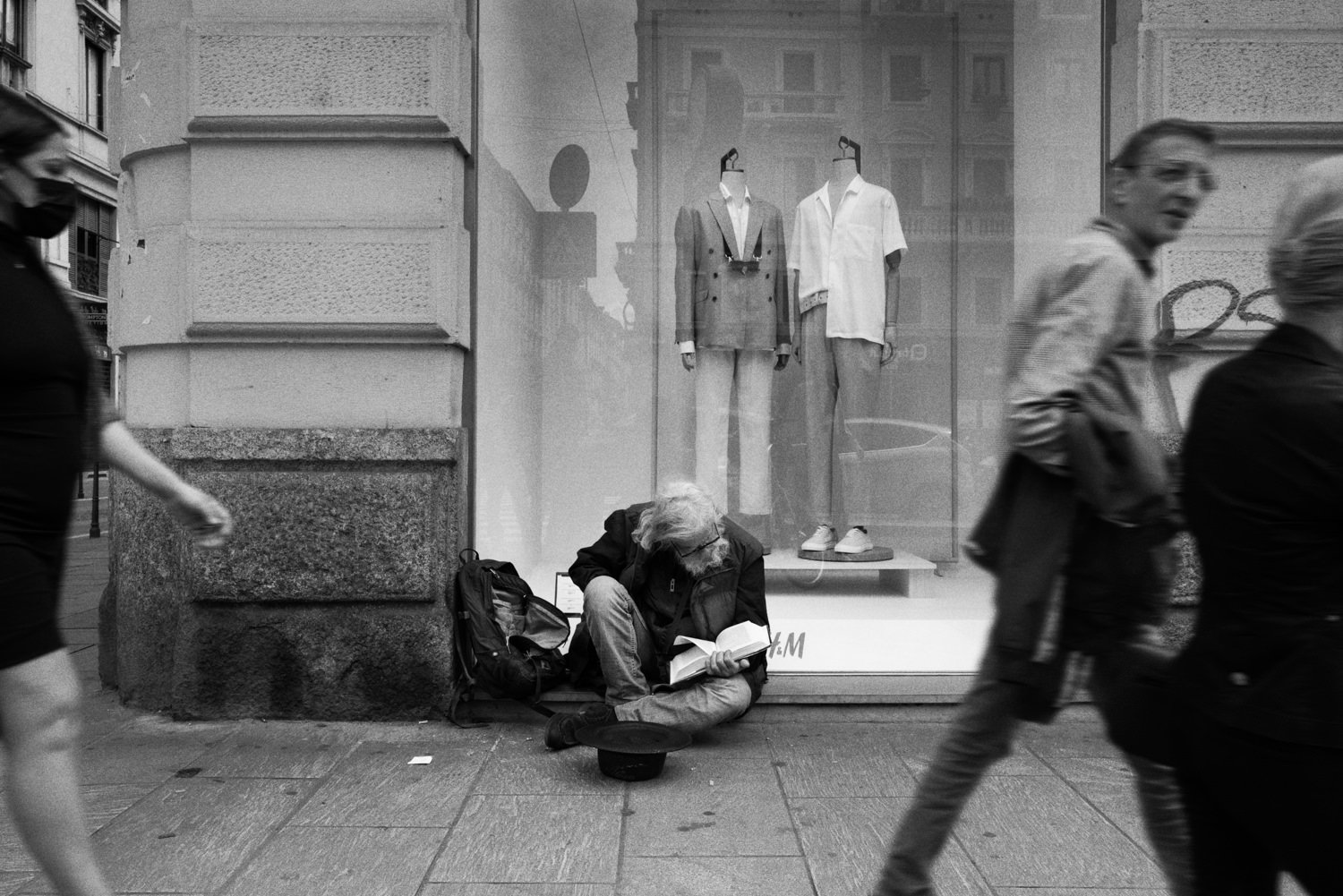
The allure of Milano isn’t just visual; it’s a feeling that deepens with every return. Twice a year, I have the pleasure of hosting intimate workshops here—immersive experiences where fellow photographers join me in exploring the city’s soul. The Leica Q’s built-in stabilization and intuitive controls make it an ideal companion in these sessions, allowing participants to focus on composition, timing, and narrative. Whether we’re strolling along the Navigli canals at dusk or capturing the theater of everyday life in Piazza del Duomo, my goal is to help others discover their unique perspective on Milano’s complexity.
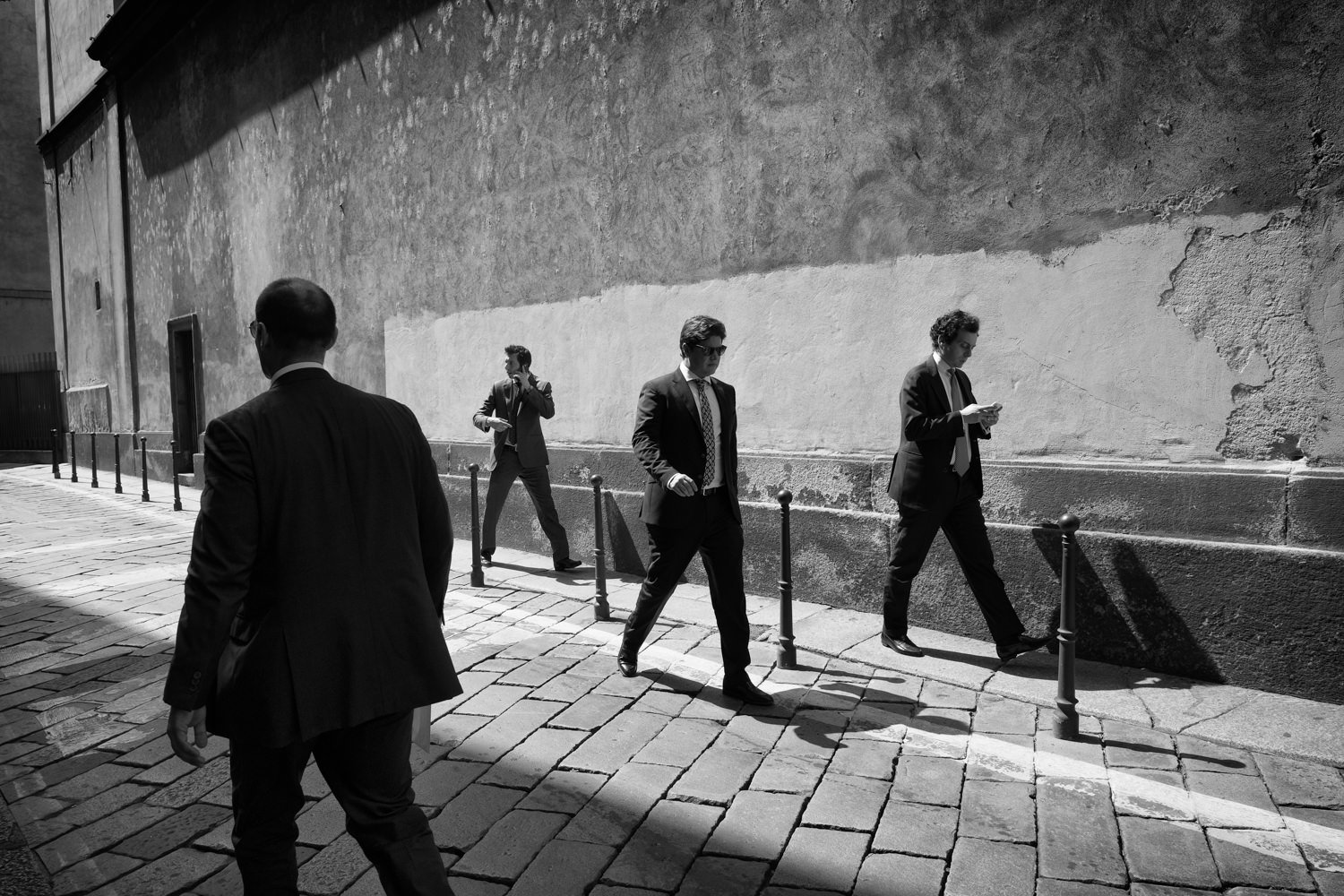
Milanesi, as the locals are known, carry themselves with a particular grace and purpose. They navigate the city as if composing a personal soundtrack—head bowed over an espresso bar or moving briskly between a boutique and a gallery. Observing them reveals a lesson in subtlety and restraint. Their body language, manner of dress, and way of engaging with space reflect a culture that values discretion over display. In the ebb and flow of commuters, shopkeepers, students, and tourists, I find countless narratives that play out quietly in front of my lens.

On my earliest visits to Milano, I was drawn to the contrasts that now define my photography. Standing outside the Duomo’s majestic marble facade, I marveled at the interplay of old and new. Over time, I’ve come to see this tension as a vibrant source of creative energy. Capturing Milano as a Gaijin—an outsider, just as I did in Tokyo—reminds me that the city doesn’t unfold its secrets all at once. Every photograph offers a glimpse into a different layer, whether it’s the reflection of modern skyscrapers in a vintage tram window or the worn textures of a cobblestone street beneath the latest streetwear fashions.

Milano’s residents have a remarkable ability to find personal space within the urban density. In a bustling café or a crowded piazza, a Milanese might pause, linger over a cappuccino, or check directions on their phone, carving out a brief moment of solitude in a city of 1.3 million souls. This interplay between communal life and individual privacy creates a visual rhythm—pockets of stillness amid the flow of commerce and conversation.

Through my Leica Q, I strive to capture these quiet interludes. The silence here isn’t empty; it’s charged with subtle emotion. Each monochromatic frame stands alone, a self-contained story with its own cadence and tone. Yet when I look at them collectively, they form an intricate mosaic of Milano’s many dimensions—its elegance and its grit, its grandeur and its intimacy—elevating the everyday into something timeless.

25 Locations for Black-and-White Street Photography in Milano:

  1. Piazza del Duomo & Duomo di Milano:
    The city’s heart and a Gothic masterpiece. Shoot upward to accentuate the cathedral’s spires or frame commuters passing in front for iconic silhouettes that highlight Milano’s storied heritage.

  2. Galleria Vittorio Emanuele II:
    A temple of commerce with a glass-and-iron canopy. The interplay of light on its mosaic floors and the echo of footsteps provide dramatic contrasts worthy of black-and-white.

  3. Teatro alla Scala & Surrounding Streets:
    Outside this world-famous opera house, well-dressed patrons and curious tourists create refined street scenes. Look for gestures and glances that convey the city’s love of arts and elegance.

  4. Brera District:
    Narrow cobblestone lanes, art galleries, and academic halls. Brera’s old-world charm and intellectual vibe invite you to find quiet corners where artists, students, and gallery-goers cross paths.

  5. Navigli Canals:
    The flowing water, iron bridges, and lively cafés along the Navigli exude romance. At dusk, the interplay of lamplight and reflection can render timeless images that channel the spirit of old Milano.

  6. Porta Nuova & Piazza Gae Aulenti:
    Modern skyscrapers, gleaming façades, and urban installations contrast strikingly with the city’s historic core. Black-and-white emphasizes shape and form in this contemporary quarter.

  7. Corso Vittorio Emanuele II & San Babila:
    A major shopping avenue where fashion-conscious Milanesi stroll purposefully. The hustle of luxury boutiques and street vendors set against old façades creates layered compositions.

  8. Via della Spiga & Quadrilatero della Moda:
    The fashion district’s polished storefronts and stylish patrons make for elegant street portraits. Catch reflections in glossy windows to contrast traditional architecture with cutting-edge design.

  9. Castello Sforzesco & Parco Sempione:
    A Renaissance fortress and a sprawling park offer respite from the urban pace. Children playing, couples strolling, and street musicians against centuries-old walls yield contemplative scenes.

  10. Cimitero Monumentale:
    An open-air museum of sculpture and memory. Black-and-white photography enhances the poetic stillness and the interplay of light on marble tombs and intricate statuary.

  11. Porta Ticinese & Colonne di San Lorenzo:
    Roman ruins and medieval gates merge with youthful nightlife. Street artists, skateboarders, and late-night diners converge here, creating dynamic scenes of cultural exchange.

  12. Chinatown (Via Paolo Sarpi):
    A multicultural hub offering diverse street life. The interplay of signs, markets, and local characters weaves a tapestry of global influences that stand out vividly in monochrome.

  13. Isola District & Bosco Verticale:
    Trendy cafés, street art, and the iconic “Vertical Forest” towers define this evolving neighborhood. Focus on lines and textures where greenery meets contemporary design.

  14. Stazione Centrale:
    Milano’s grand central station, a stage for arrivals and departures. Dramatic shafts of light, architectural geometry, and travelers in motion create narratives of longing and return.

  15. University of Milano (Statale) & Surroundings:
    Academic quads, cloisters, and young scholars in discussion. The interplay of old lecture halls and new ideas provides a subtle contrast, perfect for black-and-white storytelling.

  16. Via Torino & Ticinese District:
    A mix of old churches, alternative shops, and street vendors. Seek out lively street corners, where fashionistas, tourists, and locals weave a vibrant urban tapestry.

  17. Piazza Affari & The ‘L.O.V.E.’ Sculpture by Cattelan:
    The financial district’s rigid lines and business attire gain intrigue with Maurizio Cattelan’s irreverent sculpture. Black-and-white emphasizes the tension between commerce and critique.

  18. Via Dante & Cordusio:
    A pedestrianized street connecting the Duomo and the Castello. The flow of people, elegant signage, and subtle architectural details offer a rich vein for candid portraits.

  19. Fondazione Prada & Surrounding Industrial Areas:
    Contemporary art spaces set amid repurposed industrial structures. Stark contrasts between minimalist design and raw textures create an avant-garde playground for your lens.

  20. Piazza XXIV Maggio & Darsena:
    A riverside basin once crucial to Milan’s trade, now a lively leisure hub. The reflections of people along the water’s edge take on a painterly quality in black and white.

  21. Via Montenapoleone:
    High fashion and understated luxury define this famed street. Tight framing on accessories, gestures, and glances can capture the essence of Milanese elegance in silent moments.

  22. Chiesa di Santa Maria delle Grazie & The Last Supper Vicinity:
    Pilgrims, tourists, and art lovers gather near Leonardo’s masterpiece. Black-and-white’s timeless quality can parallel the enduring impact of Renaissance genius.

  23. Mercato Metropolitano & Street Markets (e.g. Papiniano):
    Bustling food markets, vibrant produce stands, and everyday exchanges. Shooting in monochrome sharpens focus on expressions, textures, and the choreography of vendors and buyers.

  24. Arco della Pace & Parco Sempione Edges:
    Neoclassical arches and leafy avenues set the stage for peaceful street photography. Cyclists, dog walkers, and picnickers create vignettes of Milanese leisure.

  25. Lorenteggio & Outlying Neighborhoods:
    Venture beyond the historic center into residential districts. Ordinary life unfolds here—children at play, neighbors chatting—providing authentic glimpses of Milan’s soul, far from the tourist’s lens.

Each neighborhood in Milano contributes a distinct note to the city’s subtle symphony. By navigating these varied locales with your street photography camera, you’ll find that the absence of color reveals a deeper truth: the interplay of light and form, the nuance of gestures, and the quiet stories that define everyday existence. Milano’s beauty resides in these contrasts and continuities—a city where the ancient and the contemporary share the stage, each sharpened by the timeless honesty of monochrome photography.

Visit my Milano Street Photography Portfolio

Mastering Street Photography with the Leica Q3: A Professional's Configuration Guide

As a Leica Ambassador and long-time Q-system user who has been teaching at the Leica Akademie and served as the Q3 testimonial for the Italian market, I'll share my proven configuration methods that have helped me capture compelling street moments.

Leica Q3

Core Street Photography Setup

For the majority of my street work, I use what I consider the optimal configuration for capturing decisive moments:

  • Exposure Mode: Aperture Priority (Mode A)

  • Aperture Setting: f/11

  • Auto ISO Configuration:

    • Maximum ISO: 12800

    • Minimum Shutter Speed: 1/250s

  • Focus: Set to hyperfocal distance

  • Image Style: Black and white preview with color DNG files

Berlin

Understanding Hyperfocal Distance

The hyperfocal distance is a powerful concept in street photography. When you focus at the hyperfocal distance, everything from half that distance to infinity will be in acceptable focus. For example, with the Q3's 28mm lens at f/11, setting the focus to approximately 2.5 meters means everything from about 1.25 meters to infinity will be sharp. This is particularly valuable in street photography because:

  1. You don't need to focus for each shot

  2. You can shoot instantly knowing your subject will be sharp

  3. You can concentrate on composition rather than focusing

  4. Multiple subjects at different distances will all be in focus

  5. It's perfect for capturing spontaneous moments without focus delay

This setup offers several key advantages:

  1. Perfect Exposure Control: Aperture Priority mode combined with Auto ISO provides the flexibility to respond to changing light conditions while maintaining creative control. The camera adjusts sensitivity automatically while keeping shutter speeds fast enough to freeze motion.

  2. Maximum Depth of Field: The f/11 aperture setting ensures sharp images from foreground to background, crucial when working quickly in dynamic street situations. This delivers that classic street photography look where everything in the frame tells part of the story.

  3. Speed and Reliability: Setting the minimum shutter speed to 1/250s guarantees motion-free images, even with moving subjects. The high maximum ISO of 12800 ensures this shutter speed is maintained even in challenging light.

  4. Creative Vision: Working with the black and white preview helps me concentrate on form, light, and composition while shooting. Having color DNG files gives me full creative control in post-processing.

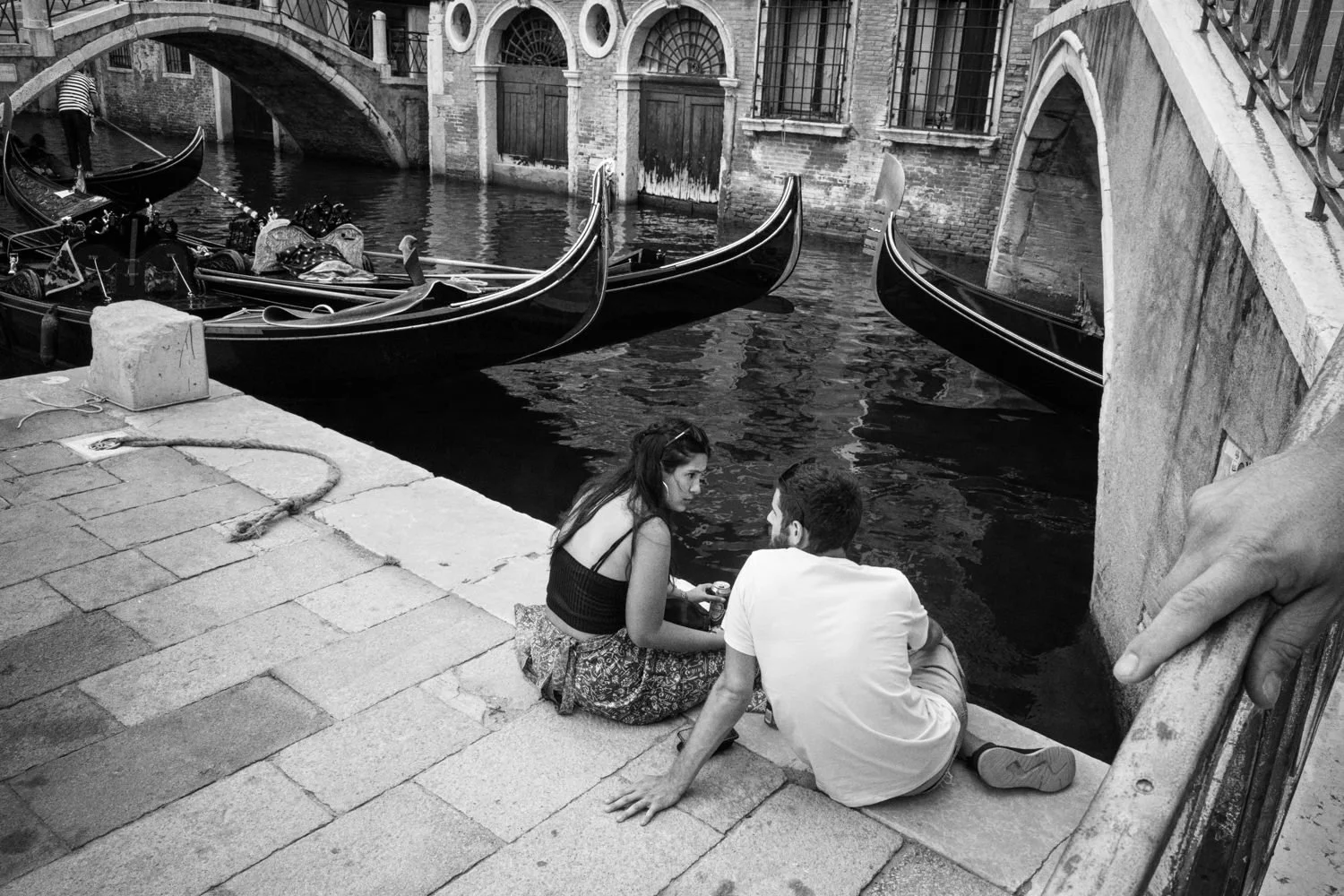
Venice

Portrait Configuration

When I transition to street portraits, I modify my settings to:

  • Exposure Mode: Aperture Priority (Mode A)

  • Aperture Setting: f/1.7

  • Auto ISO Configuration:

    • Maximum ISO: 12800

    • Minimum Shutter Speed: 1/250s

  • Focus: Automatic with Face Detection

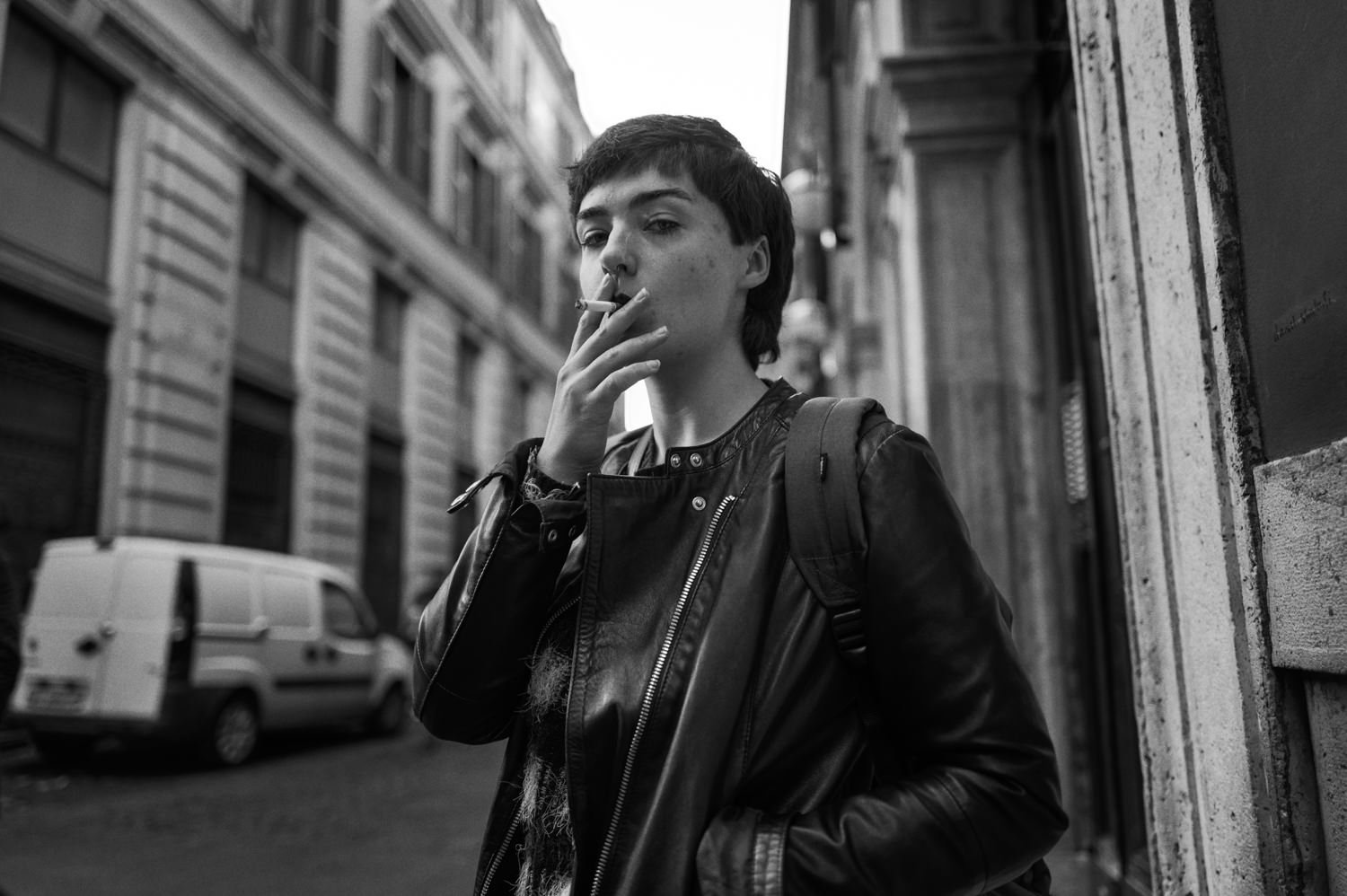
Rome

The Q3's Revolutionary Face Detection System

The Q3's face and eye detection system represents a significant leap forward in autofocus technology. What makes it exceptional is its ability to:

  1. Instant Recognition: The system identifies faces within milliseconds, even in challenging lighting conditions or when subjects are wearing glasses or masks.

  2. Eye Tracking Precision: The camera not only detects faces but locks onto the nearest eye with remarkable accuracy, ensuring the most critical part of your portrait is always in sharp focus.

  3. Multiple Subject Handling: When multiple faces are in the frame, the Q3 intelligently prioritizes the nearest subject while allowing quick switching between detected faces using the joystick.

  4. Movement Prediction: The system excels at tracking moving subjects, maintaining focus even when people are walking or turning their heads.

This portrait configuration provides:

  1. Beautiful Separation: The wide f/1.7 aperture creates that signature Leica look with gorgeous subject isolation and creamy bokeh.

  2. Reliable Focus: Face detection ensures sharp focus on the subject's eyes, even when working quickly.

  3. Consistent Results: Maintaining the same Auto ISO settings ensures uniformity across all my work while providing the flexibility needed for various lighting conditions.

Milano

Why This Setup Works

After years of shooting with the Q system and specifically testing these configurations with the Q3, I've found this setup provides the perfect balance of technical excellence and creative freedom. The camera becomes an extension of your vision, allowing you to focus entirely on composition and timing – the true essence of street photography.

The Q3's exceptional high ISO performance and fast autofocus system make these configurations particularly effective. The camera's intuitive interface allows for quick transitions between street and portrait settings when needed.

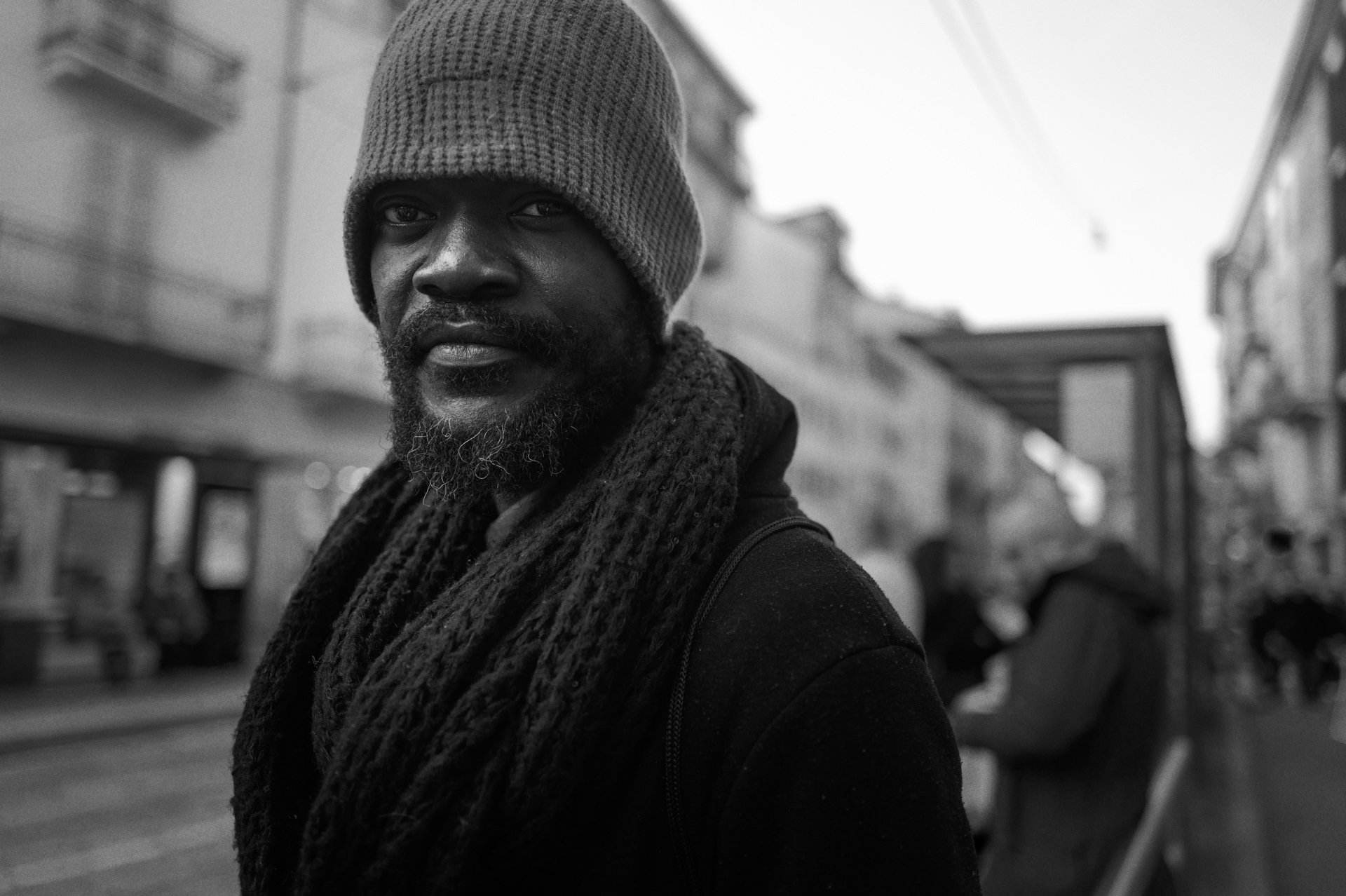
Hong Kong

Final Thoughts

As someone who has been deeply involved with the Q system since its inception, I can confidently say that these configurations maximize the Q3's potential for street photography. The combination of hyperfocal distance for street scenes and advanced face detection for portraits creates a versatile tool that can handle any street photography situation.

Remember that while these are my preferred settings based on extensive experience, they serve as a starting point. The key is to understand why each setting is chosen and then adapt them to your personal shooting style and specific requirements.

The Soul of Street Portraiture: A Personal Journey

There's something truly magical about that fleeting moment when a complete stranger's eyes unexpectedly meet your lens. In that brief fraction of a second, entire worlds collide, countless stories intersect, and something remarkably profound occurs: the beautiful birth of a striking street photography portrait. Street portraiture, after all, isn't merely about taking photographs; it is an intimate dance between the photographer and the subject, a delicate balance of technical skill, artistic vision, and genuine human connection that unfolds in the vibrant theater of public life. Each encounter offers a unique opportunity to capture the essence of a moment, creating a visual narrative that resonates long after the shot has been taken.

Rome, Leica Q

The roots of this captivating art form run deep through photography's history. When Paul Strand first raised his camera to photograph unsuspecting New Yorkers in the early 1900s, he wasn't just making images – he was pioneering a new way of seeing humanity. Later, the legendary Diane Arbus would walk the same streets, drawing out the extraordinary from seemingly ordinary faces, teaching us that every person carries a universe within them worth exploring.

Today, as I walk these same vibrant streets with my trusted Leica Q3 or M11P in hand, I feel an undeniable connection to this rich and evolving legacy of street photography. However, street portraiture has transformed over the years, becoming something even more nuanced and challenging in our increasingly privacy-conscious world. It now demands not just technical mastery and skillful composition, but also a deep well of empathy and social intelligence to navigate the complexities of human interaction.

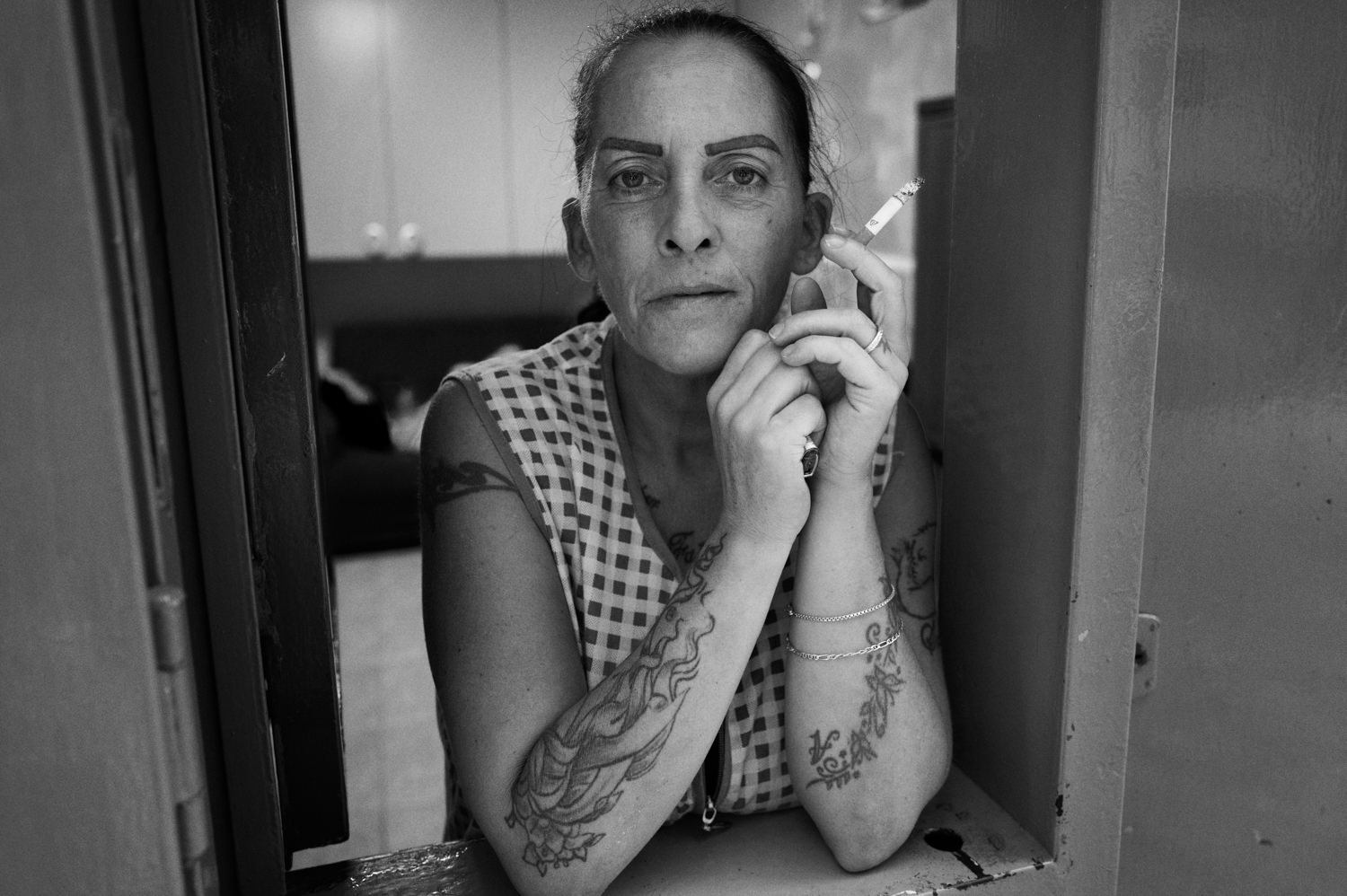
Napoli, Leica Q3

The heart of street photography portraiture beats in the realm of human connection. When I spot a potential subject, time seems to slow down. There's an almost electric moment of recognition – something in their expression, their posture, or the way light plays across their features that calls out to be captured. This is where empathy becomes your most vital tool. You must read the invisible language of body posture, facial micro-expressions, and social cues. You need to sense whether someone might welcome your lens or if they're seeking solitude.

This temporal space – this fleeting window of opportunity – is where the magic happens. Sometimes it's just seconds, a brief intersection of lives where you must decide: approach or observe, engage or remain silent. It's a dance of intuition and respect, where timing is everything and sensitivity is paramount.

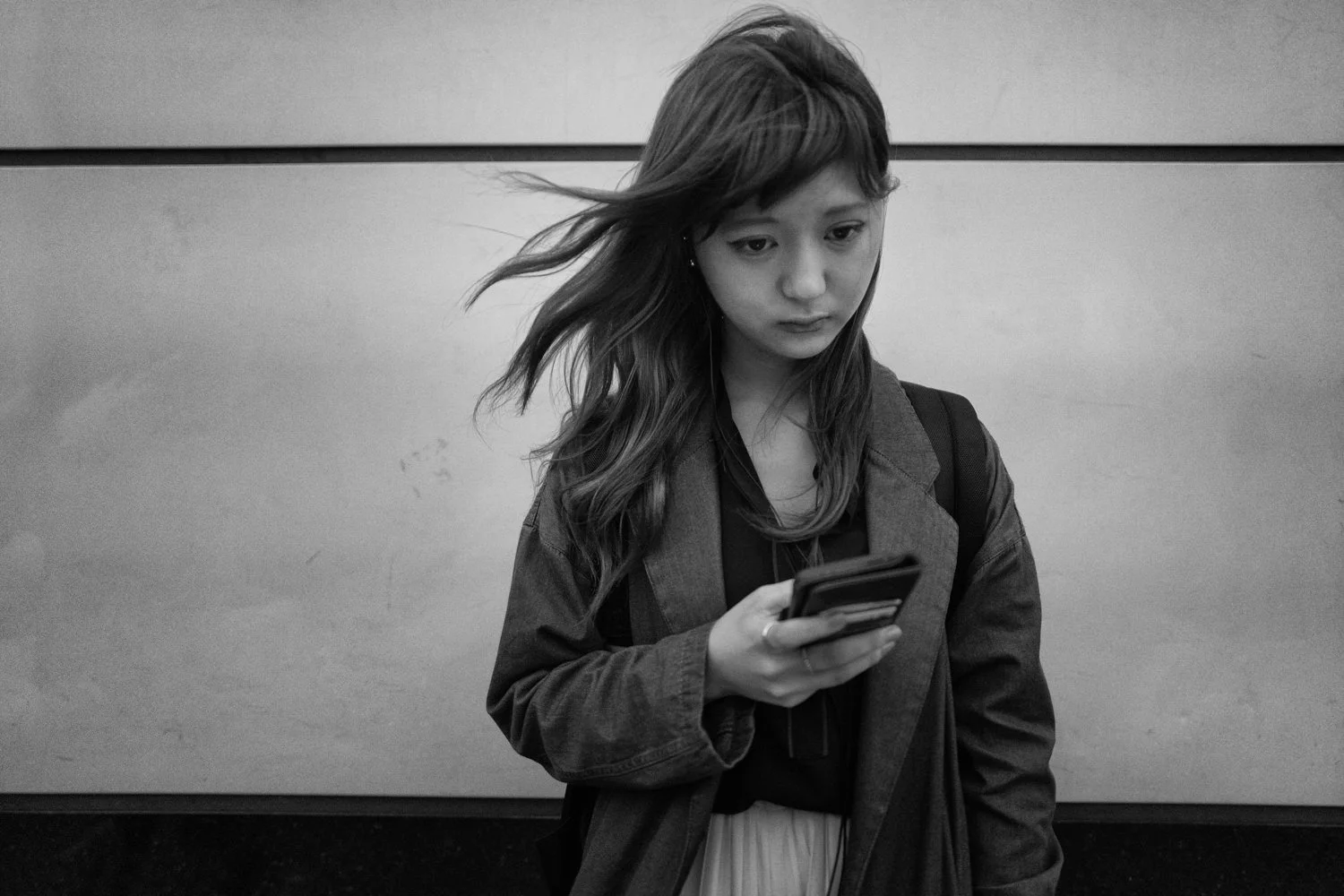
Tokyo, Leica Q

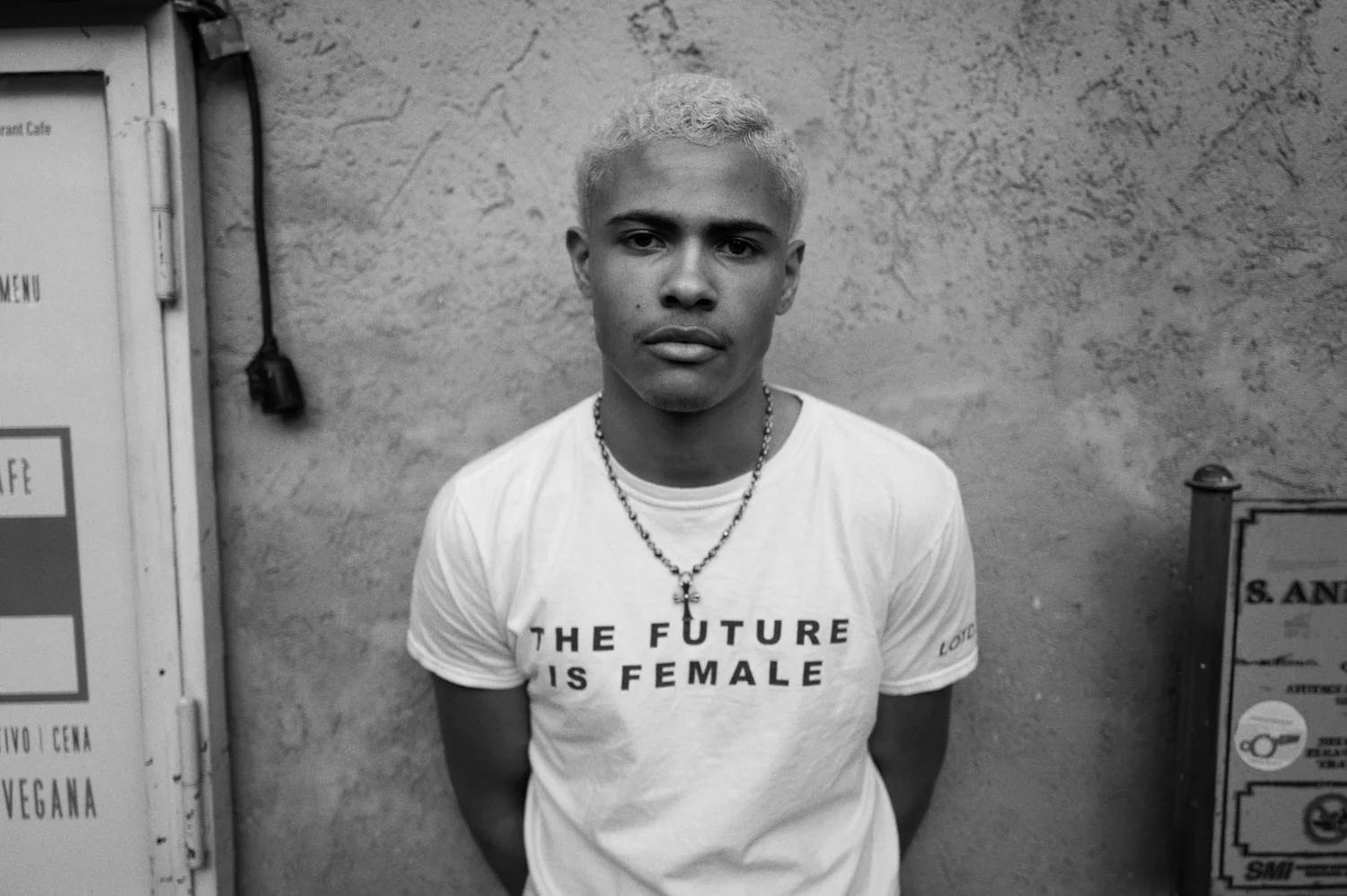
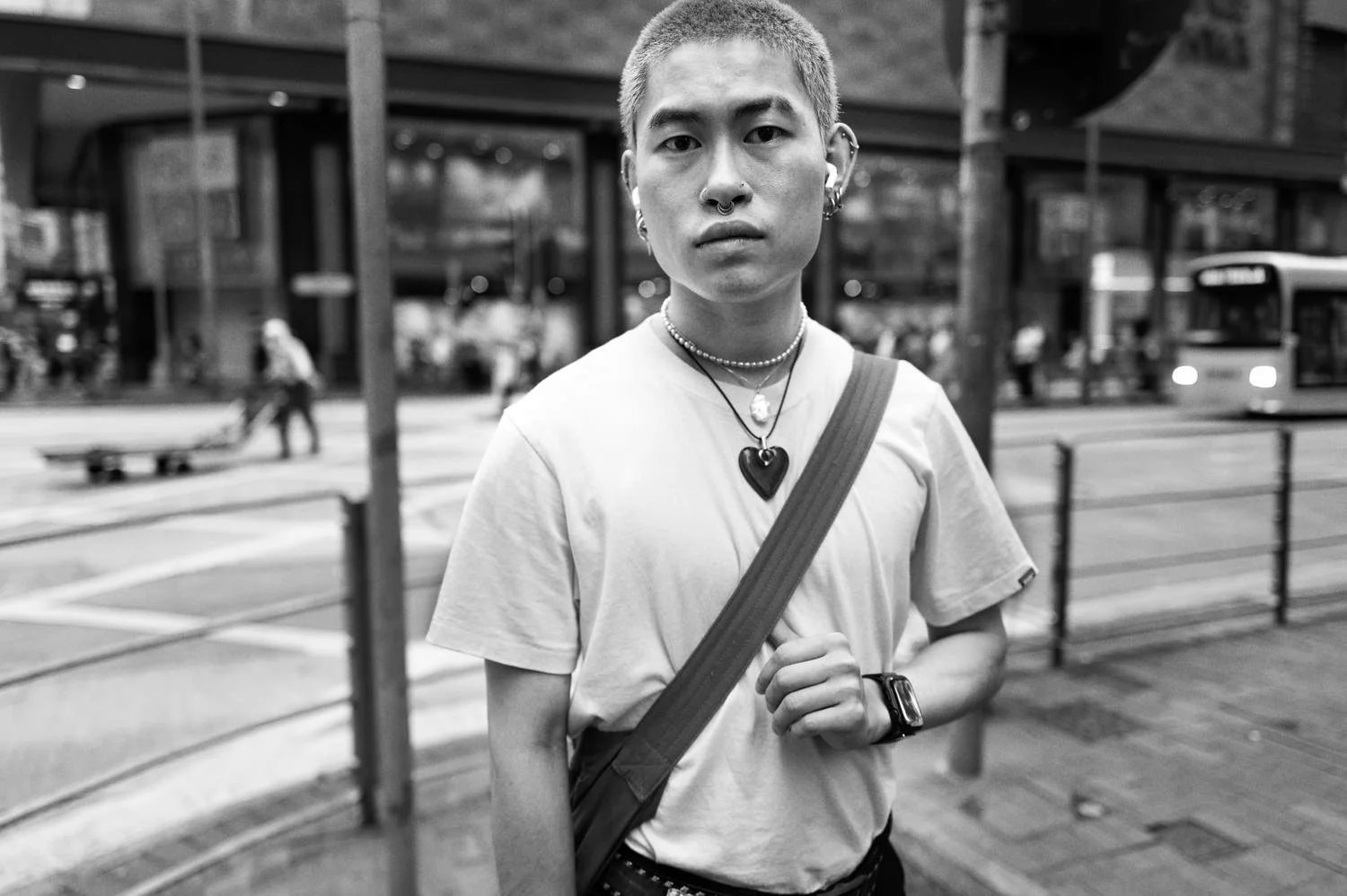
The approaches to street photography portraits are as varied and diverse as the multitude of subjects that one encounters on the streets themselves. There's the direct gaze – perhaps the most powerful and evocative of all the methods. When a subject looks directly into your lens with intention, something truly extraordinary happens. The photograph transforms into a window, not just to their face, but to their deeper essence and inner world. These striking images often emerge from brief yet meaningful interactions, where a smile, a nod, or just a few kind words can create a profound bridge of trust, allowing for a more authentic and genuine capture.

Then there are the unguarded moments, those fleeting instances when subjects seem completely lost in their own worlds, unaware of the observer nearby. These images capture something profoundly different – the private face we often wear even in bustling public spaces. Working with the Q3's advanced face detection system has truly revolutionized this particular approach to photography. The camera becomes a seamless extension of your instincts, allowing you to effortlessly focus on the decisive moment unfolding before you while maintaining that beautiful separation between subject and background that the Summilux lens renders so magnificently, especially at wide apertures.

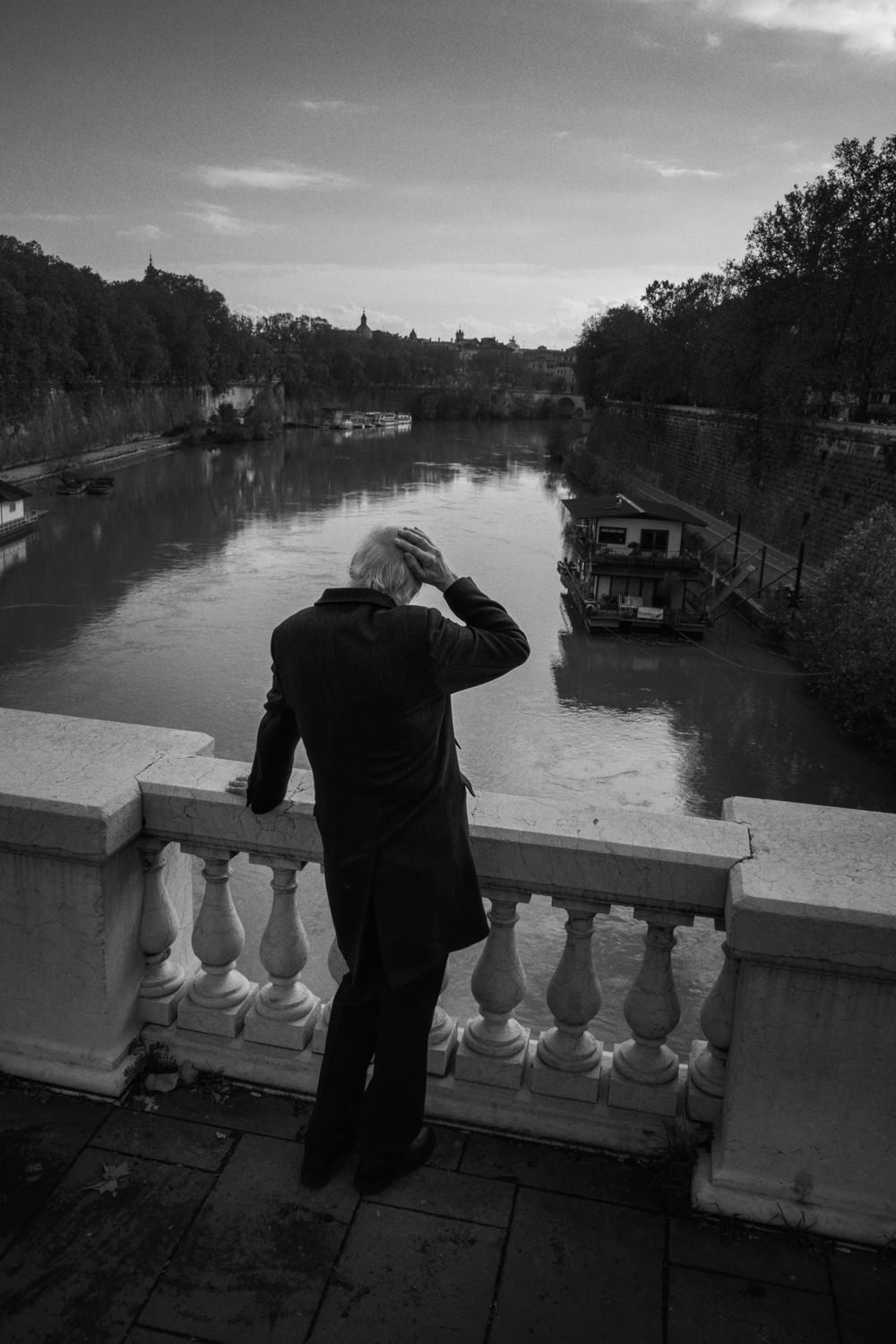
Rome, Leica Q2

Sometimes, the most compelling and thought-provoking street photography portraits don't show faces at all. Photographing subjects from behind introduces a captivating element of mystery that invites viewers to complete the story themselves, igniting their imagination. These images often resonate with and speak to universal human experiences – solitude, contemplation, and the journey rather than just the destination. It’s in this subtle exploration of the unseen that deeper narratives often unfold, revealing the emotions and thoughts that each subject may carry with them.

Rome, Leica Q2

The technical approach to street photography portraits requires a different mindset than general street photography. When I'm doing wider street work, capturing scenes and distant subjects, I'll work at f/11 for maximum depth of field. But portrait work on the streets is an entirely different dance. With the Q3, I embrace the remarkable capabilities of its autofocus and face detection system, working with apertures between f/1.7 and f/2.8. This creates that magical separation between subject and background while maintaining tack-sharp focus on the eyes. Auto ISO with shutter speeds around 1/250s ensures my subjects remain crisp and clear, letting me focus entirely on the human connection unfolding before me.

Hong Kong, Leica M11

The M11P with the 50mm Summilux brings its own special magic to street portraiture. Here, I typically work around f/2, embracing the lens's legendary rendering and that ethereal quality it brings to backgrounds. Manual focusing becomes a meditation, a practiced art that, while demanding, brings its own rewards. Again, auto ISO with shutter speeds around 1/250s keeps my subjects frozen in time while I concentrate on the delicate dance of focus and composition.

This technical foundation skillfully creates images that possess a distinct signature. The shallow depth of field effectively isolates subjects from their surrounding environment without completely disconnecting them from it, thus producing portraits that feel both intimately personal yet firmly grounded in their urban context. The background melts seamlessly into a rich tapestry of vibrant colors and intricate shapes, while the subjects emerge with an almost captivating three-dimensional presence that draws viewers in.

Trieste, Leica Q2

But perhaps the most important aspect of street photography portraits isn't technical at all – it's the profound ability to create genuine, if brief, connections with strangers we encounter in our daily lives. Every single portrait is a collaboration, even if unspoken and fleeting. It's about recognizing the inherent dignity and beauty that exists in every face, every gesture, and every moment of human existence that passes before the lens. This connection transforms an ordinary snapshot into a meaningful narrative, capturing the essence of what it means to be human in a vibrant and bustling world.

In the end, street portraiture is about stories – those we tell about others and, inevitably, those we tell about ourselves. Each image becomes a mirror, reflecting not just our subjects but our own humanity. When I raise my Leica to my eye, whether it's the Q3 or the M11P, I'm not just making photographs – I'm participating in the grand tradition of bearing witness to the extraordinary tapestry of human life that unfolds on our streets every day.

Rome, Leica Q3

This is what makes street portraiture so endlessly fascinating. It's not just about capturing faces; it's about capturing moments of truth, fleeting expressions of the human condition. In a world that often feels increasingly disconnected, these brief encounters remind us of our shared humanity, one frame at a time.

Visit my Street Photography Portrait Gallery.