The Street Photography Self-Portrait: Mirrors, Shadows, and the Search for Self

There is something deeply paradoxical about the street self-portrait. On one hand, street photography is historically the art of detached observation, the gaze that captures the world without modifying it. On the other, the self-portrait is the most intimate and openly subjective act a photographer can perform. Yet when these two worlds meet – when the photographer decides to insert themselves into the urban scene – something extraordinary happens: the observer becomes simultaneously observed, the witness becomes protagonist, and the street becomes a mirror in both the most literal and metaphorical sense.

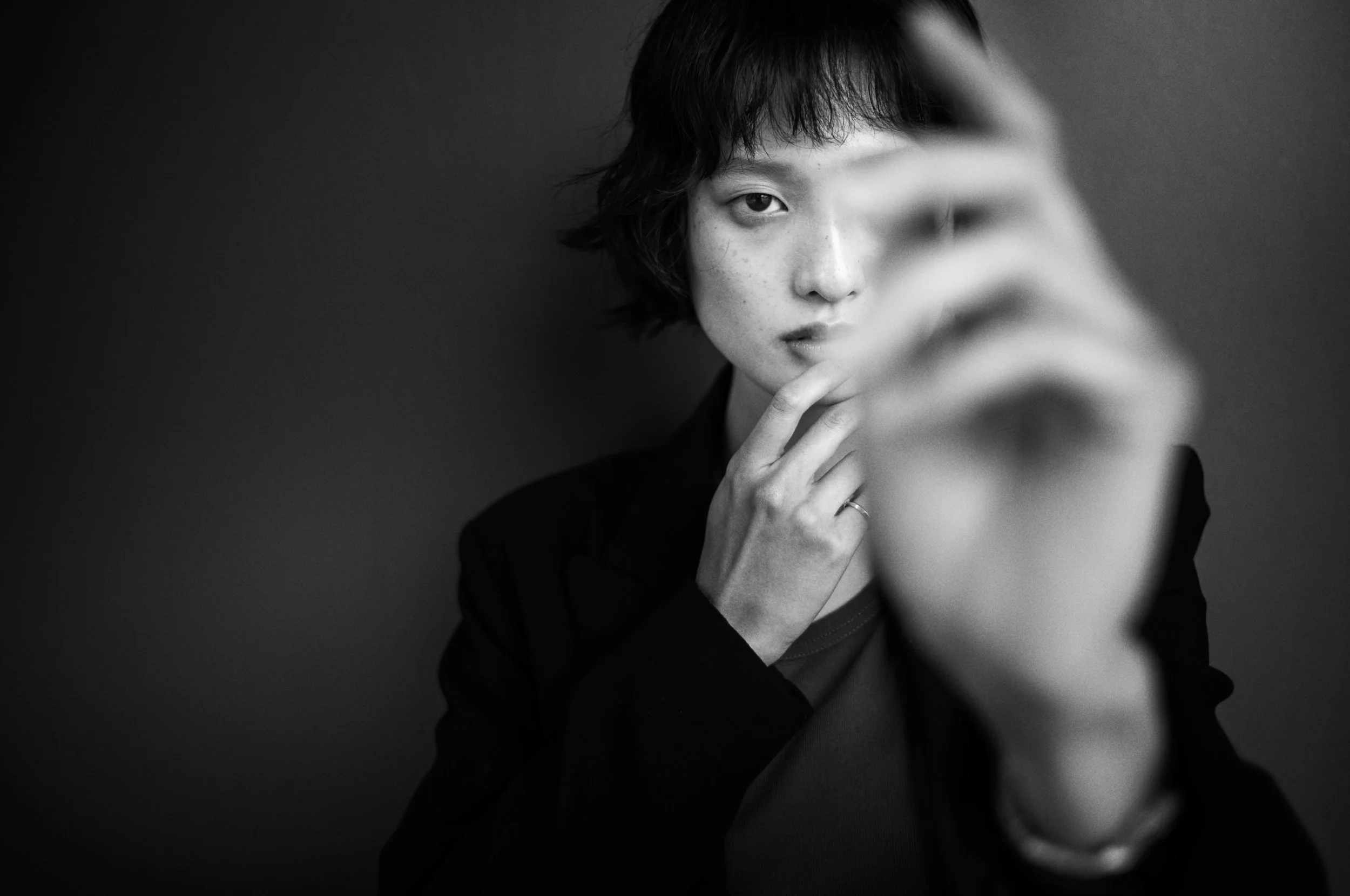
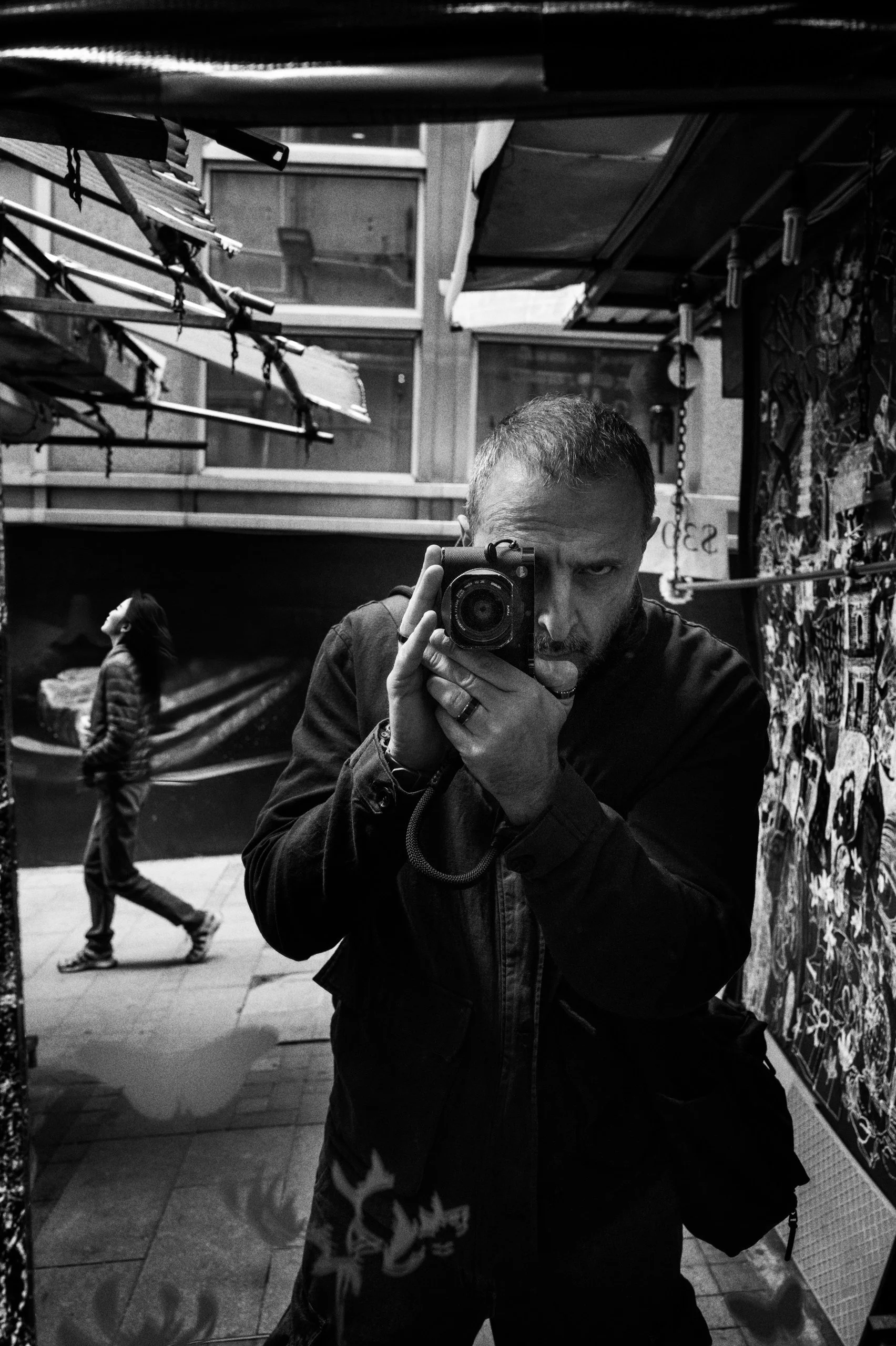
Hong Kong, 2025

A Hidden Tradition

The self-portrait in street photography has roots as ancient as the medium itself. Vivian Maier, in her countless self-portraits captured in the reflections of Chicago storefronts, wasn't simply documenting her physical presence. She was constructing a silent dialogue between the self and the city, between private identity and public space. Her self-portraits – often involuntary in their spontaneity, yet so deliberate in composition – reveal an acute awareness of the photographer as an integral part of urban theater.

Lee Friedlander elevated this practice to a conscious art form. His shadow stretching across New York sidewalks, his reflection fragmented in the metallic surfaces of automobiles, are not mistakes or accidental intrusions. They are philosophical statements: "I was here. I saw this. My presence modified this moment." Friedlander taught us that the photographer can never be truly invisible, that every image carries within it the trace of who created it.

More recently, Satoki Nagata has transformed Tokyo puddles into dimensional portals, where sky and city merge in compositions that defy gravity and perspective. His aquatic self-portraits are not simple games of reflection: they are Zen meditations on the ephemeral nature of reality, on the relationship between what is solid and what is illusory.

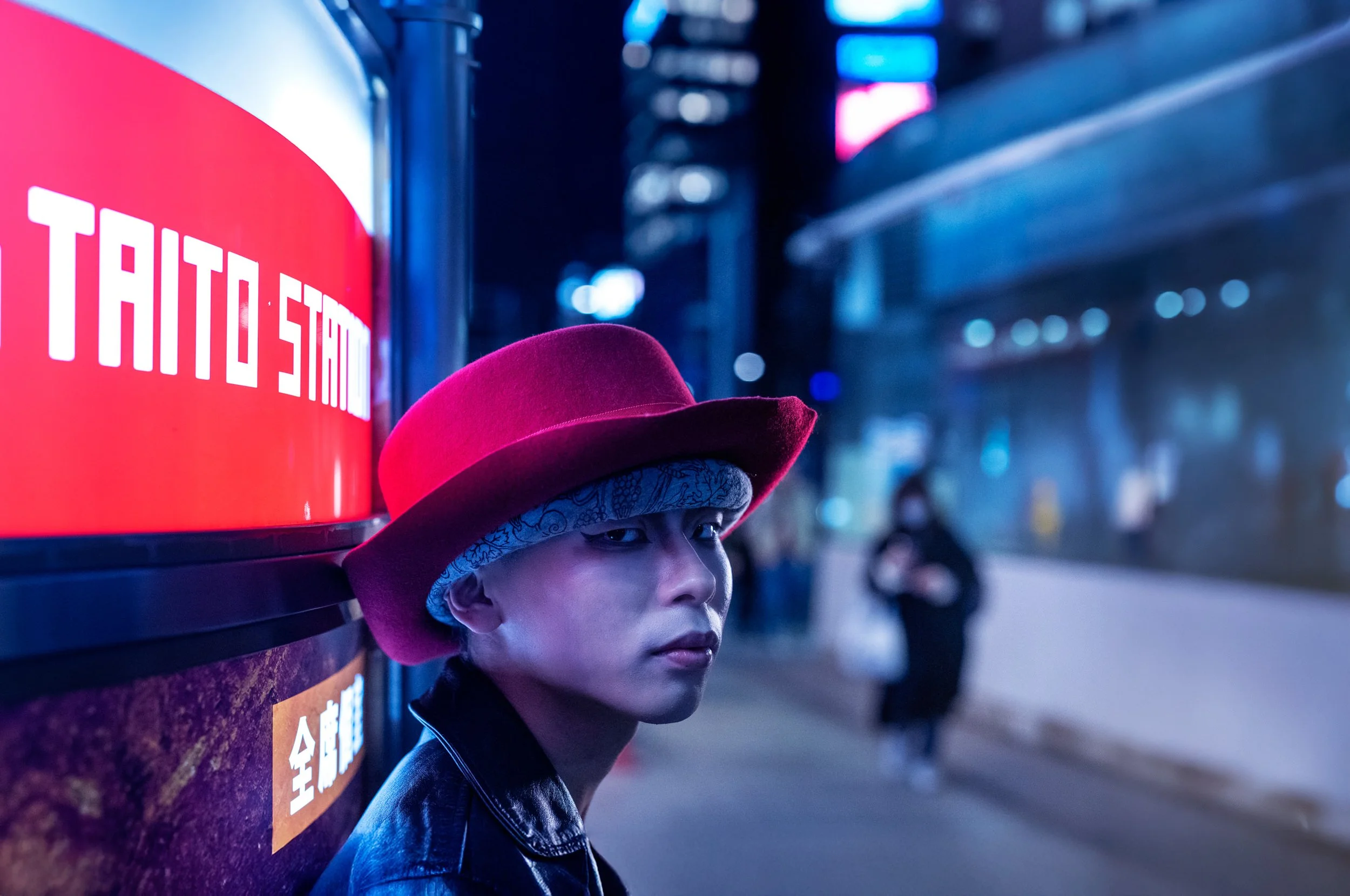
Rome, 2023

Philosophy of Reflection

But why dedicate an entire section of my work to street self-portraits? The decision came after years of reflection – literally and metaphorically.

When we photograph others on the street, we maintain a certain emotional distance. We are hunters of moments, collectors of others' instants. But when we insert ourselves into the frame, when we seek our shadow on the pavement or our reflection in a puddle, something changes radically. We become vulnerable. Street photography, typically a shield behind which to hide, becomes a mirror in which to reflect.

There is a Zen principle that has always fascinated me: the idea that the true self can only be understood through its reflection in the world. We cannot see our own face directly – we need a mirror, a reflective surface, a mediator. Similarly, perhaps we can better understand our nature as photographers only by physically inserting ourselves into the scenes we capture, openly admitting our presence rather than feigning an impossible objectivity.

The street self-portrait is also an act of radical honesty. It says: "I'm not pretending to be invisible. I'm here, walking these streets like everyone else. The difference is that I carry a camera, and this changes the way I see and am seen."

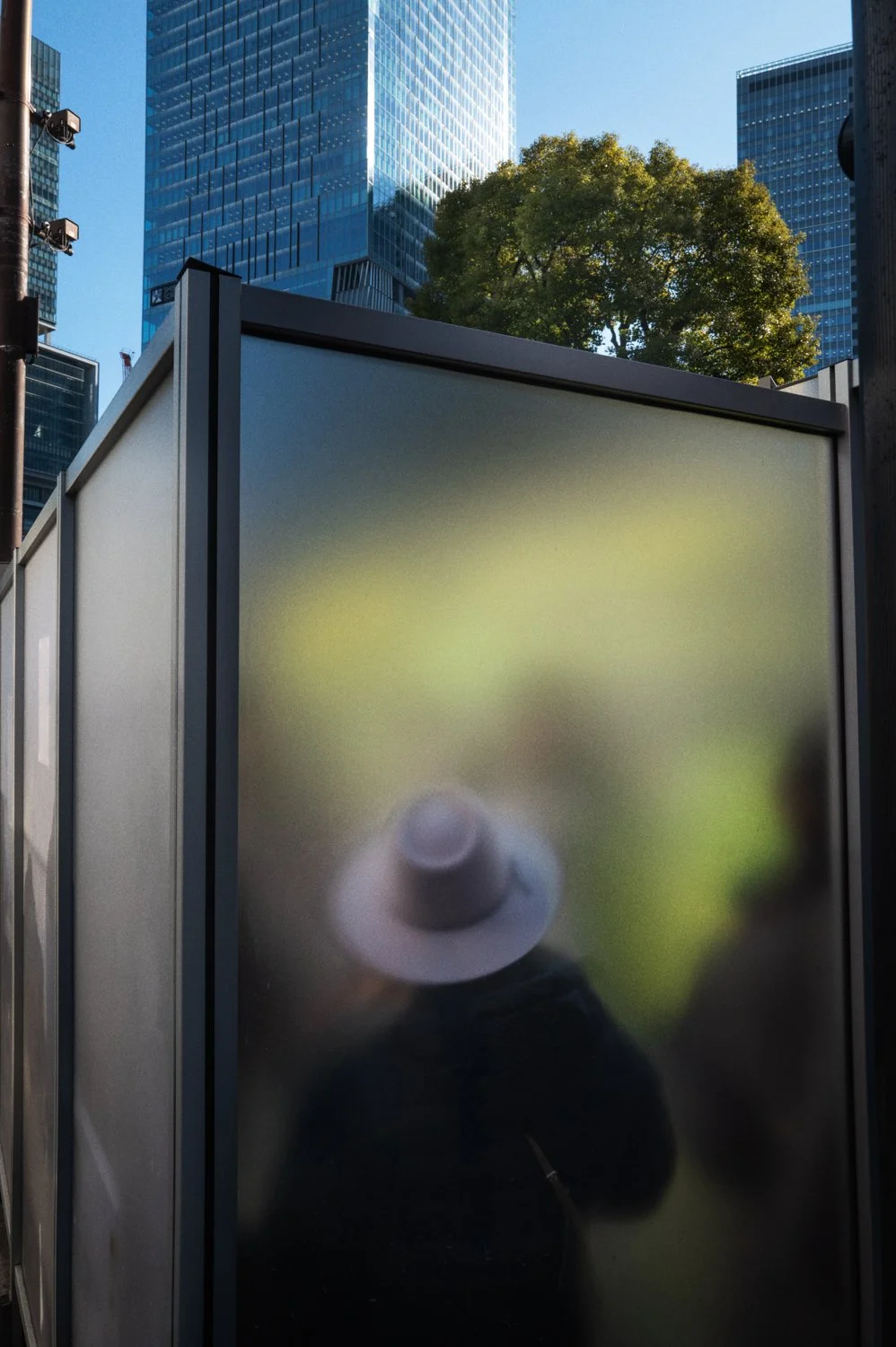
Budapest, 2024

Techniques and Poetics

Working with reflections, shadows, and puddles requires a complete change of perspective – literally. You no longer look ahead in search of interesting scenes; you begin to look down, at shiny surfaces, at shadow zones. The city becomes a catalog of potential mirrors: shop windows, parked cars, puddles after rain, polished marble floors, even smartphone screens abandoned on café tables.

The puddle is perhaps the most democratic and poetic of all urban mirrors. It exists only temporarily, after rain, before sun or wind disperse it. It's imperfect, distorted by ripples, contaminated by leaves and debris. Yet precisely in this imperfection, it captures something truer than a perfect reflection. When I photograph myself in a puddle, I'm not documenting how I actually appear – I'm documenting how I feel in that specific moment, in that specific place, with that particular state of mind.

The shadow is even more evanescent. It changes with every hour of the day, stretches at sunset, shortens at noon, disappears on cloudy days. Photographing one's own shadow is like capturing a ghost – it's you, but not completely you. It's your presence reduced to the essential, to silhouette, to the absence of details. There's something liberating in this: in shadow, your age, your specific appearance, even your identity become secondary. Only the form remains, the gesture, the posture.

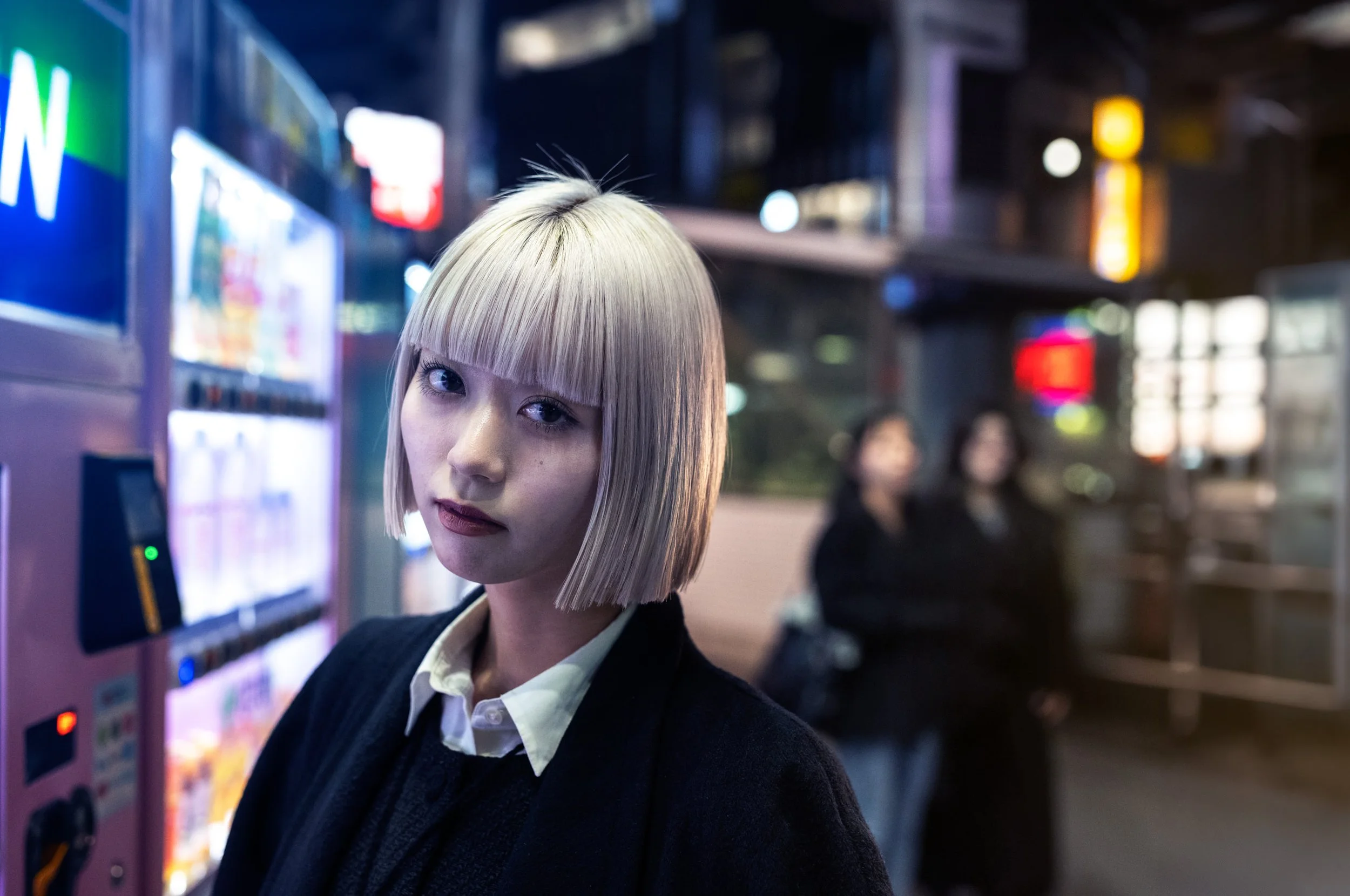
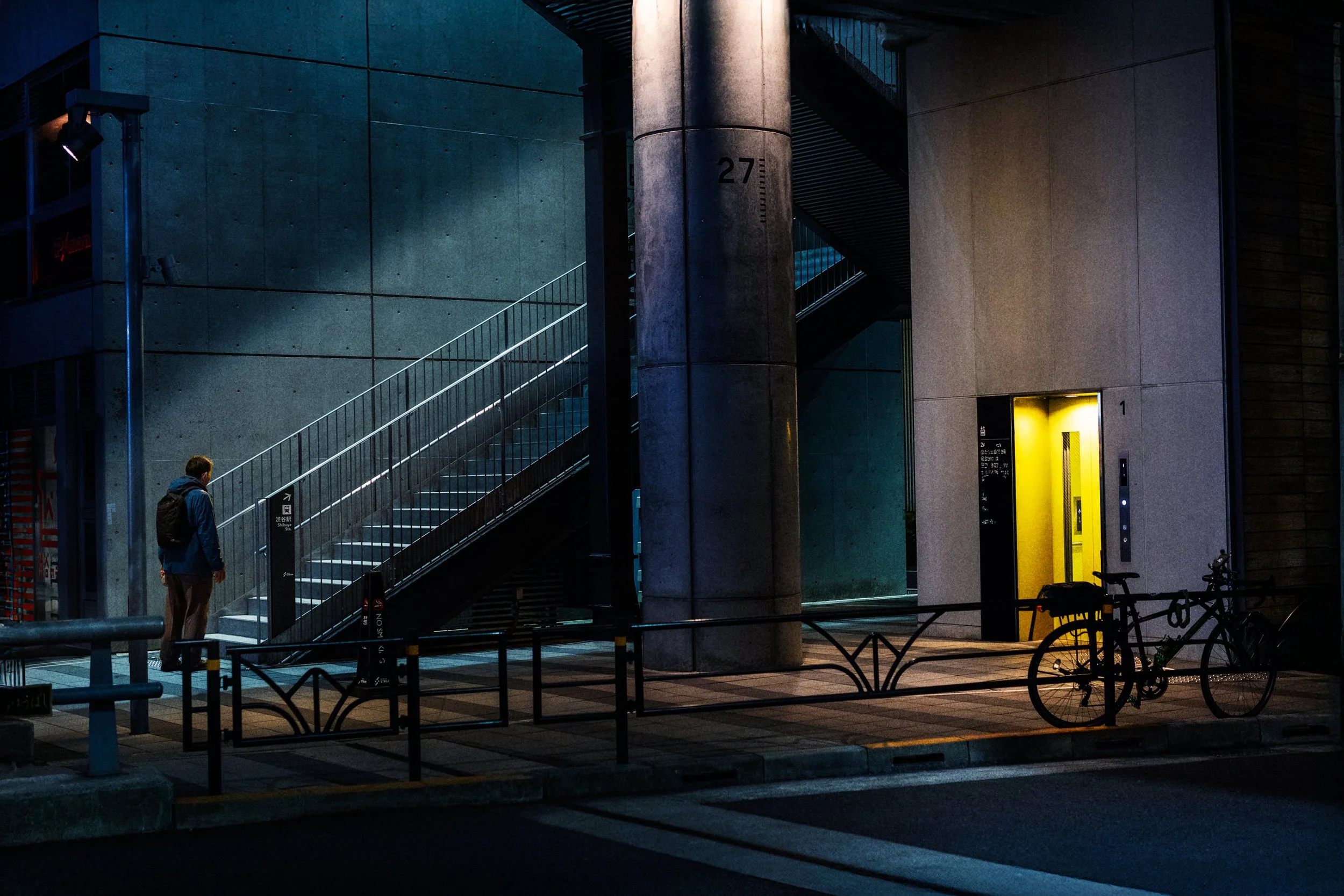
Tokyo, 2024

My Section

Looking at my collection of street self-portraits, I realize they constitute an involuntary visual diary. Not just of the cities I've traversed – Rome, Milan, New York, Moscow, Hong Kong – but also of my moods, my creative phases, my unresolved questions.

Some are playful, almost ironic: my reflection fragmented in a chrome surface, multiplied as in a hall of mirrors. Others are melancholic: a solitary shadow stretching across a deserted sidewalk at sunset. Some are accidental, captured almost unconsciously while working on something else. Others are deeply deliberate, the result of long waits for the right light, the perfect angle, the moment when all elements – shadow, reflection, urban context – converge in harmonious composition.

What these self-portraits have in common is a certain humility. They are not studied poses, not narcissistic celebrations. They are rather acknowledgments: "I am here, like any other passerby. The difference is that I've chosen to document this being here, this temporary presence in a space that existed before me and will continue to exist after."

Tokyo, 2025

An Invitation

I open this section not as a definitive statement, but as a work in progress. The street self-portrait is, by its nature, an endless project. As long as I walk the streets with a camera, as long as there are reflective surfaces and sunny days that cast shadows, there will be opportunities to capture a new fragment of this evolving relationship between myself and urban space.

I invite other photographers to explore this practice. Not to imitate Friedlander or Maier, but to find their own visual language, their own unique way of inserting themselves into the scene. Perhaps you'll discover, as I have, that the street self-portrait is not an act of vanity, but of vulnerability. It's not an assertion of "I," but a question: who am I in this moment, in this place, with this light?

And perhaps, as happens with the best self-portraits, the answer will never be definitive. But in the search itself, in walking the streets looking down at puddles and shadows, we'll find something equally precious: a way of being present, aware, alive in the moment.

All images from my self-portrait section are visible at: www.walkingphotographer.net/eolo-perfido-self-portraits-street-photography

Honored to Be the Face of Xiaomi 17 Ultra by Leica

This Christmas brought an extraordinary gift: the honor of being chosen as a testimonial for the new Xiaomi 17 Ultra by Leica, launched in China on Christmas night.

I'm deeply grateful to Xiaomi and Leica for their trust in my vision and for this incredible opportunity to be part of such a meaningful project.

None of this would have been possible without the remarkable team behind the scenes. My sincere thanks go to the entire production crew, the talented videomakers, the makeup artists, and everyone who contributed their passion and expertise to bring this video to life.

Working alongside such dedicated professionals reminded me once again why I love what I do.

Merry Christmas to all of you.

What is Street Photography ?

Street Photography: A Love Letter to the Fleeting Beauty of Life

Street photography. It's more than just a camera lens capturing life on the move—it's a timeless communion with the world, a heartfelt dance with the unpredictable currents of everyday existence. Each snap of the shutter is a silent ode to humanity, an attempt to bottle the ephemeral wonder that flickers across our streets, squares, and back alleys. It’s not just about witnessing life—it’s about feeling it, breathing it in, and translating that raw energy into a visual testament that stands the test of time.

The Ancestors Who Laid the Path

I find myself continually drawn back to the works of the pioneers, the grandfathers and grandmothers of street photography, whose images first ignited my fascination with this art form.

  • Eugène Atget: His ethereal photos of Old Paris were more than mere documentation. They were emotional time capsules, capturing the city in the midst of transformation. Through his misty images of deserted streets and stately architecture, I could all but hear the faint echoes of carriage wheels and the hushed whispers of Parisians at dawn.

  • Henri Cartier-Bresson: The maestro of the decisive moment, Cartier-Bresson taught me to trust my intuition. I still remember the thrill I felt leafing through Images à la Sauvette—his photographs defied explanation. They were visual jazz, where everything happened in perfect improvised harmony. Behind the Gare Saint-Lazare, the man leaping across a puddle was no accidental shot; it was a composition as deliberate as a choreographed dance.

  • Walker Evans: Known for his stark depictions of American life during the Great Depression, Evans showed me that street photography can transcend mere aesthetics; it can be a form of visual literature. His images of storefronts, subway riders, and rural homes revealed layers of untold stories—poignant reminders that each photograph can bear the weight of social and historical truths.

  • Vivian Maier: A mysterious figure who worked in obscurity for decades, Maier’s rediscovered photographs taught me something invaluable: the street can be a mirror that reflects ourselves as much as it captures others. Her intimate portraits, often tinged with introspection, invite us to see the unguarded humanity in both subject and photographer.

  • Garry Winogrand: Renowned for his candid, high-energy shots, Winogrand thrived on unpredictability. He chased the commotion of New York City, weaving through crowds with an insatiable curiosity. His work helped me embrace the inherent chaos of urban environments and celebrate the surprising juxtapositions life serves up when you least expect them.

The First Leica: A Gateway to Immersion

My personal journey blossomed the day I cradled a vintage Leica M6 in my hands. Its unassuming yet robust build was an invitation to slow down and truly observe. Instead of relying on autofocus or continuous shooting, I had to rely on my instincts, my sense of timing, and my respect for the fleeting qualities of life swirling around me.

The Leica Q System

I recall a scorching afternoon in Rome’s Trastevere district, where the aroma of espresso mingled with the lively chatter of neighbors. An elderly woman, eyes half-closed, sat on a stoop fanning herself with a crumpled newspaper. She exuded a quiet grace. As I began to frame the shot, a young boy zipped past on a bicycle, momentarily jolting her from her reverie. She glanced up, a playful sparkle in her eyes. I pressed the shutter, capturing that singular instant—a gentle collision of youth and wisdom. Later, I learned the woman was his grandmother who had recently passed away; that photograph remains a moving testament to the fragile—and beautiful—impermanence of every moment.

The Global Tapestry: Stories from Around the World

Street photography has become my passport to the world, guiding me through cultures, traditions, and countless small miracles of everyday life. I’ve taken photographs in many Italian cities and around the world.

Tokyo at Dawn
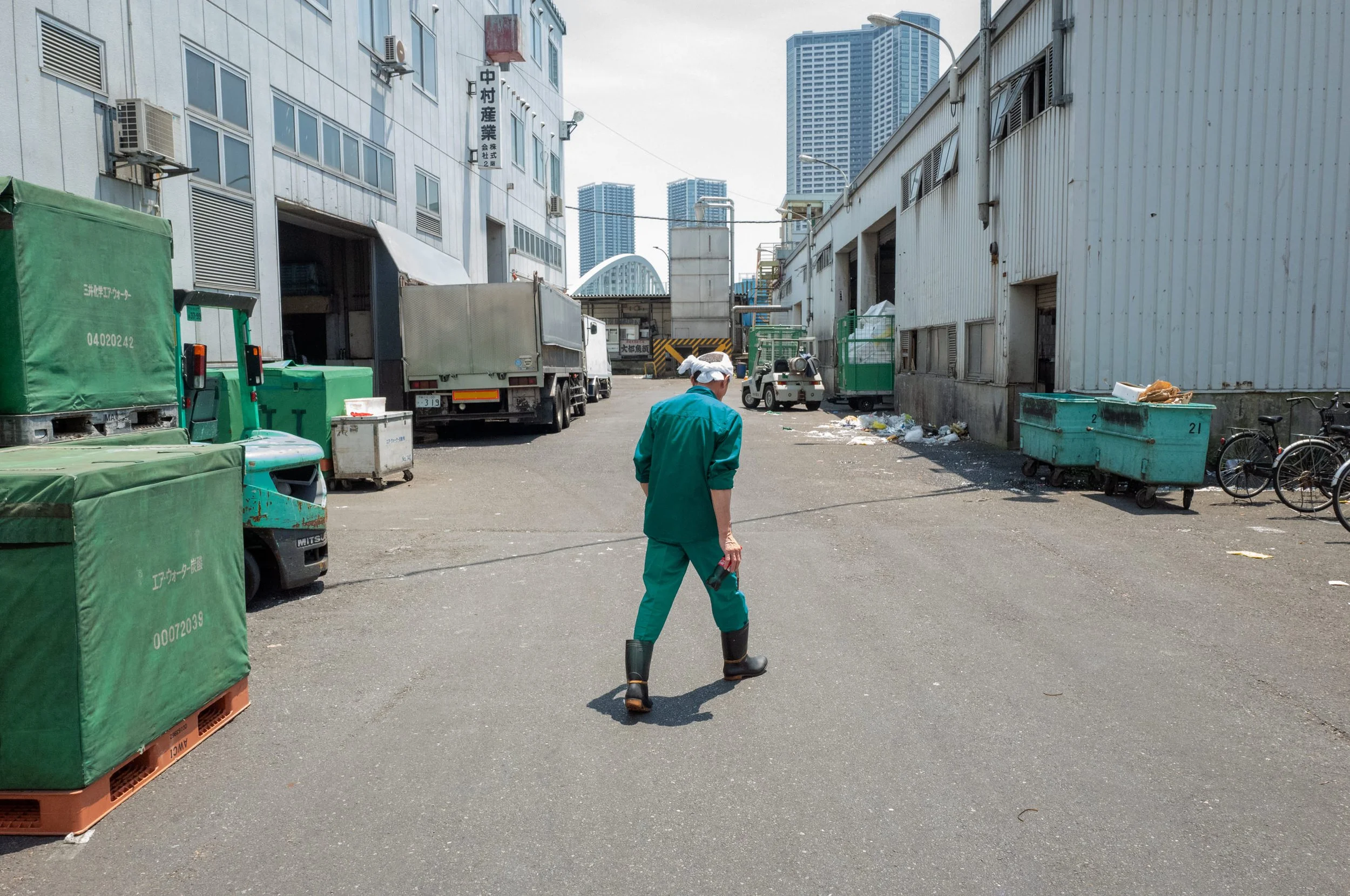
Before the city’s neon lights blaze to life, there’s a serene moment in Tokyo’s Tsukiji Market when the bustle quiets. Fishermen banter over the day’s catch, and the sun’s first rays gleam off metal carts laden with shimmering fish. Amid the chaos of auctions and hurried footsteps, you’ll find a solitary vendor pausing for a quiet sip of tea—an intimate snapshot of resilience and routine that reminds me how beauty resides even in the smallest gestures.

Tokyo, 2023 - Leica Q2

Rome’s Eternal Rhythm
There’s a timeless magic in wandering Rome’s backstreets. In Trastevere, as the late-afternoon sun illuminates crumbling stone walls, the aroma of fresh espresso mingles with the murmur of local conversation. Children chase pigeons across ancient cobblestones while street musicians fill the air with familiar Roman melodies. Capture a moment here, and you’re holding a piece of living history—where the old and new coexist in vibrant, unhurried harmony.

Rome, 2024 - Leica Q3

Hong Kong’s Endless Energy
Step into Hong Kong’s labyrinthine streets—Mong Kok markets, pulsing neon signs, and a chorus of clinking tram bells—and it feels like the city never sleeps. Tight alleys overflow with vendors selling everything from tropical fruits to phone accessories, while skyscrapers loom overhead like silent spectators. In a fleeting instant, you might spot a brief smile exchanged between strangers or glimpse a lone commuter gazing over Victoria Harbour at dusk. Those seconds of shared humanity are priceless, hidden gems amid the metropolis’s perpetual motion.

Hong Kong, 2024 - Leica Q3

Naples in Full Swing
Naples greets you with unapologetic vibrancy. The aroma of wood-fired pizza weaves through winding alleys, and street vendors shout their wares to passersby in melodic Neapolitan dialect. Laundry flutters high above cobblestone lanes, while Vespas zigzag past centuries-old churches and open-air cafés. Look closely, and you’ll see a grandmother leaning on her balcony, offering a warm wave to neighborhood children—an endearing glimpse of community spirit that permeates every corner of the city.

Naples, 2024 - Leica M11P

Havana’s Captivating Charm
Havana is an enchanting dance of color, music, and history. Stroll along the Malecón at sunset, and you’ll find classic American cars cruising past crumbling colonial facades bathed in golden light. Rhythms of salsa spill from open doorways, beckoning passersby to join in the celebration of life. Turn a corner, and you might catch a father teaching his daughter how to spin to the beat of a street performer—an impromptu concert of laughter and movement that encapsulates the city’s unbreakable spirit.

Havana, 2019 - Leica M10

In each of these places—Tokyo, Rome, Hong Kong, Naples, and Havana—street photography remains my invitation to dive deeper. It’s not about capturing perfect compositions but rather discovering the quiet truths hidden within the everyday, the silent poetry of people simply being themselves.

I’ve taken photographs in many Italian cities and around the world, and each journey shapes my understanding of this extraordinary tapestry we all share.

The Invisible Observer: Cultivating Empathy and Respect

Garry Winogrand once said he photographed things “to see what they look like photographed.” I’ve always found a deeper layer to that idea. Being “invisible” as a photographer is not about hiding in the shadows; it’s about immersing yourself so completely in the scene that you become a seamless thread in the urban tapestry. The more I blend in, the more genuine and heartfelt my images become.

  • Sensitivity and Consent: While street photography often captures spontaneous moments, there’s a line between participation and intrusion. Over time, I’ve learned to communicate through body language—a courteous smile, a respectful nod. The goal isn’t to exploit someone’s vulnerability, but to honor it, to celebrate what makes us human in these unguarded flashes of life.

Embracing the Digital Age: Challenges and Opportunities

The transition from film to digital has ushered in an era where nearly everyone has a camera in their pocket. Though this has democratized photography, it also means we’re inundated with snapshots fighting for attention. In this sea of images, the power of a truly evocative street photograph remains profound—it transcends social media noise.

  • Instant Feedback, Endless Exploration: Digital allows us to review, tweak, and push creative boundaries immediately. This instant critique helps photographers refine their craft faster than ever.

  • Global Community: Platforms like Instagram and specialized forums connect street photographers worldwide. We exchange ideas, critique each other’s work, and collaborate. And while the onslaught of images can be overwhelming, it also fosters cross-cultural pollination of ideas—an enriching, vibrant dialogue shaping the future of the genre.

The Emotional Core: When Light Meets Soul

At its heart, street photography is an emotional endeavor. Each image is a small poem, a visual reflection of our collective humanity. It’s an opportunity to connect with strangers, to delve into their worlds—even if only for the briefest moment—and feel what they feel.

Photographing a woman laughing with her daughter on a park bench or a solitary commuter lost in thought on the subway, I’m reminded again and again that we’re all part of a larger tapestry of existence. With every press of the shutter, I’m inviting the world to see what I see and to feel a spark of empathy for someone they’ve never met. It’s this emotional electricity, this quiet sense of wonder, that keeps me returning to the streets, day after day.

Palermo, 2019 - Leica Q2

10 reasons you should try street photography

Street photography focuses on real life unfolding in front of you—no posing, no staging, just genuine expressions and emotions.

  1. Hone Your Observational Skills
    It teaches you to slow down and notice the subtle details—body language, fleeting interactions, and unique urban aesthetics.

  2. Enhance Your Technical Abilities
    Working in unpredictable settings pushes you to improve your camera handling, composition, and ability to adapt quickly to changing light.

  3. Tell Compelling Stories
    Every corner has a tale waiting to be discovered. By freezing real-time narratives, your photos become visual time capsules of human experience.

  4. Engage With Diverse Cultures
    Street photography encourages you to explore places near and far, fostering greater appreciation and empathy for communities different from your own.

  5. Flex Your Creativity
    With no studio or controlled setup, you learn to use angles, reflections, and improvisational techniques to create visually striking images.

  6. Build Confidence
    Overcoming the fear of capturing candid moments in public develops your courage and self-assurance—both as a photographer and as an individual.

  7. Practice Quick Thinking
    The street environment is constantly evolving. You’ll train your reflexes to anticipate and seize fleeting opportunities in the blink of an eye.

  8. Find Beauty in the Ordinary
    Street photography celebrates the poetry of everyday life. It helps you appreciate the small, seemingly mundane moments that hold surprising depth.

  9. Create a Personal Diary of the World
    Each snapshot serves as a keepsake of your travels, encounters, and experiences—turning your photography into a meaningful visual journal.

My One-on-One Workshops: Sharing the Passion

If these stories resonate with you—if you feel the same magnetic pull toward the unfiltered drama of the street—then I’d be honored to guide you deeper into this vibrant world. My Street Photography One-on-One Workshops in Rome and Naples are a chance for us to walk the sidewalks together, cameras in hand, exploring the infinite nuances of human interaction. We’ll focus on:

  1. Developing Your Eye: Learn how to spot the unrepeatable moments that elevate a simple snapshot into an evocative narrative.

  2. Technical Mastery: Whether you shoot digital or analog, we’ll dive into techniques for mastering light, composition, and timing.

  3. Building Confidence: Street photography can be intimidating. Through real-world practice, I’ll show you how to move gracefully, communicate nonverbally with your subjects, and capture those fleeting instances without disrupting the scene.

  4. Emotional Depth: Above all, I’ll help you find and refine your unique vision. We’ll dig into the emotional undercurrents that differentiate a good photo from a great one—how to use empathy and respect to infuse your images with genuine soul.

Together, we’ll wander through hidden corners of the city—whether it’s the bustling heart of a metropolis or the sleepy side streets of a small town. We’ll learn to see rather than just look, to absorb the silent poetry of everyday life and preserve it through our lenses. By the end, you’ll not only walk away with a portfolio of memorable images, but also a renewed sense of awe for the world around us.

Rome, 2022 - Leica Q2

Street photography is, at its core, a celebration of life’s natural rhythms. It’s an invitation to step into the rush of humanity and find the quiet grace notes, those luminous moments that whisper to us in the chaos. I hope these reflections inspire you to pick up your camera, step outside, and chase that interplay of light and soul. And if you choose to join me in a one-on-one workshop, we’ll embark on that journey together—savoring every imperfect, beautiful, and ephemeral second that unfolds before our eyes.

My Street Photography Workshops