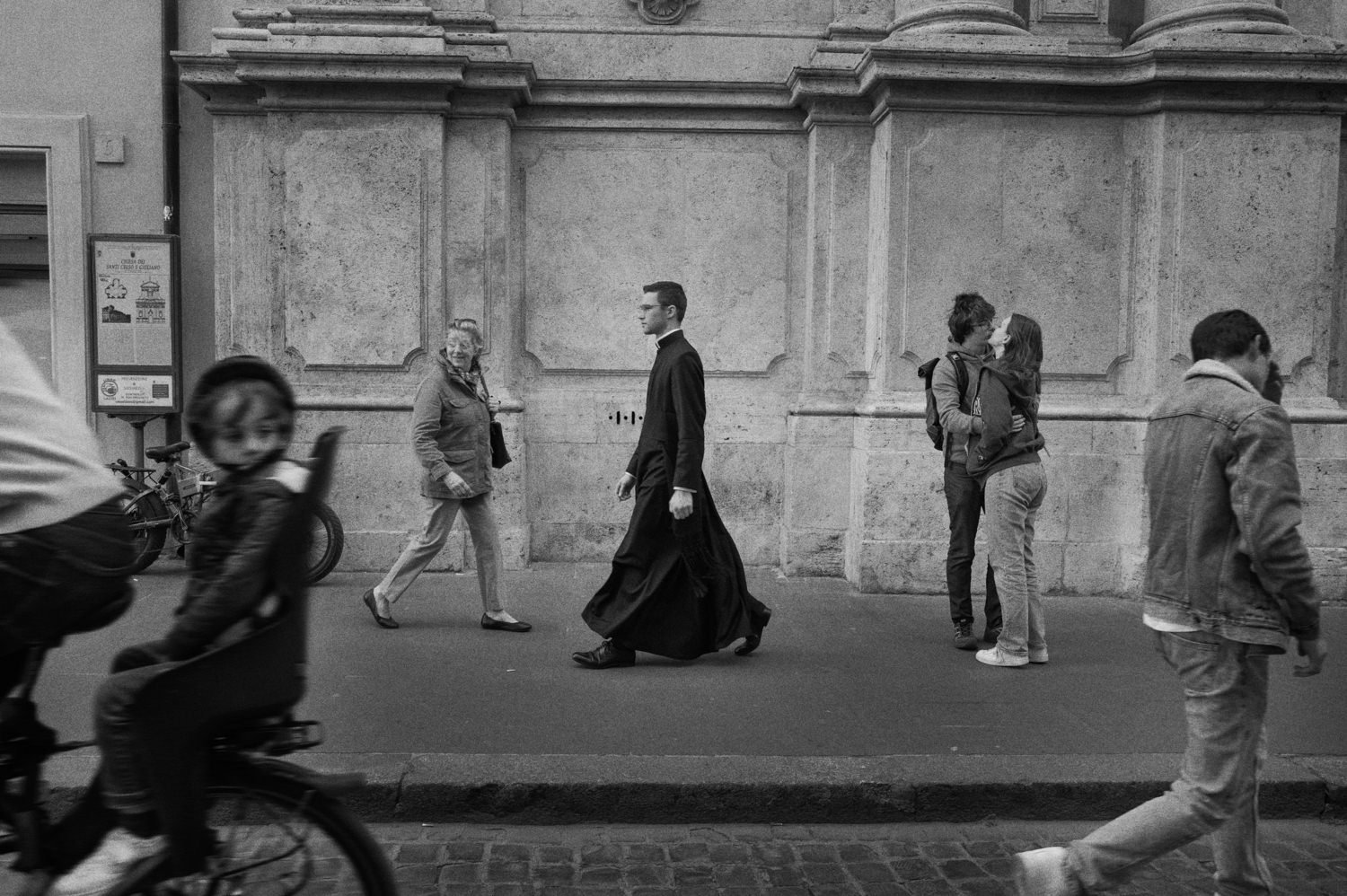
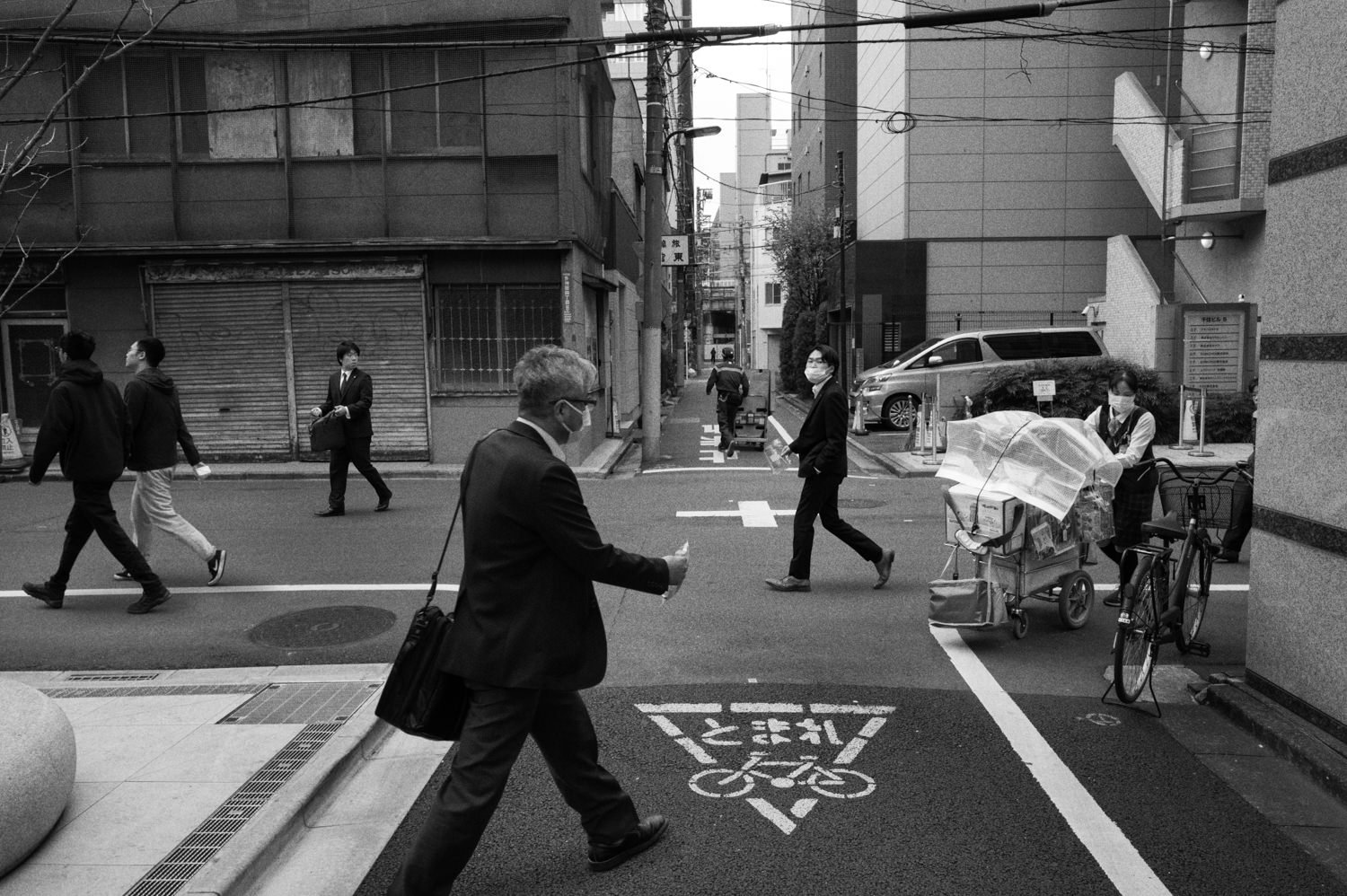
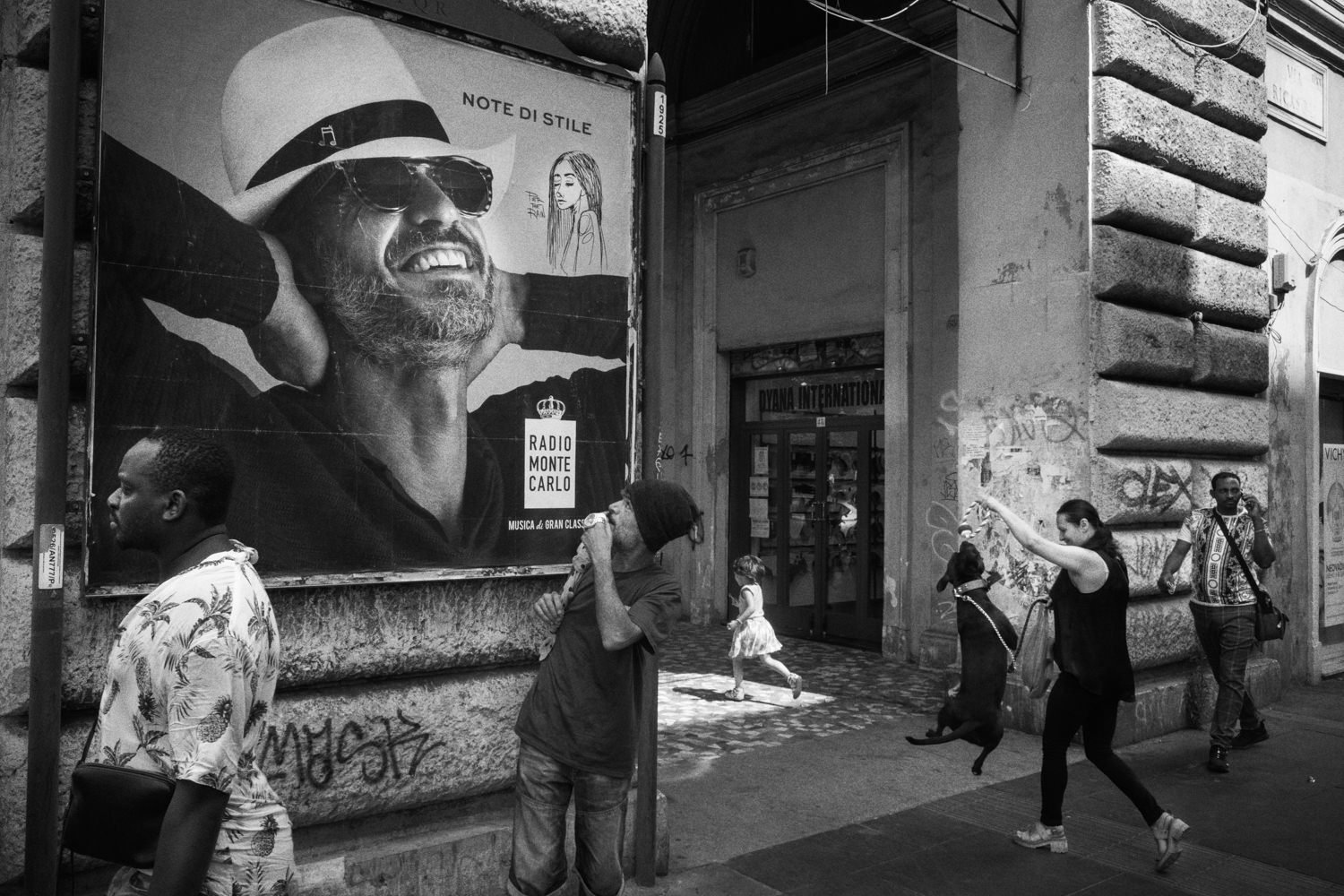
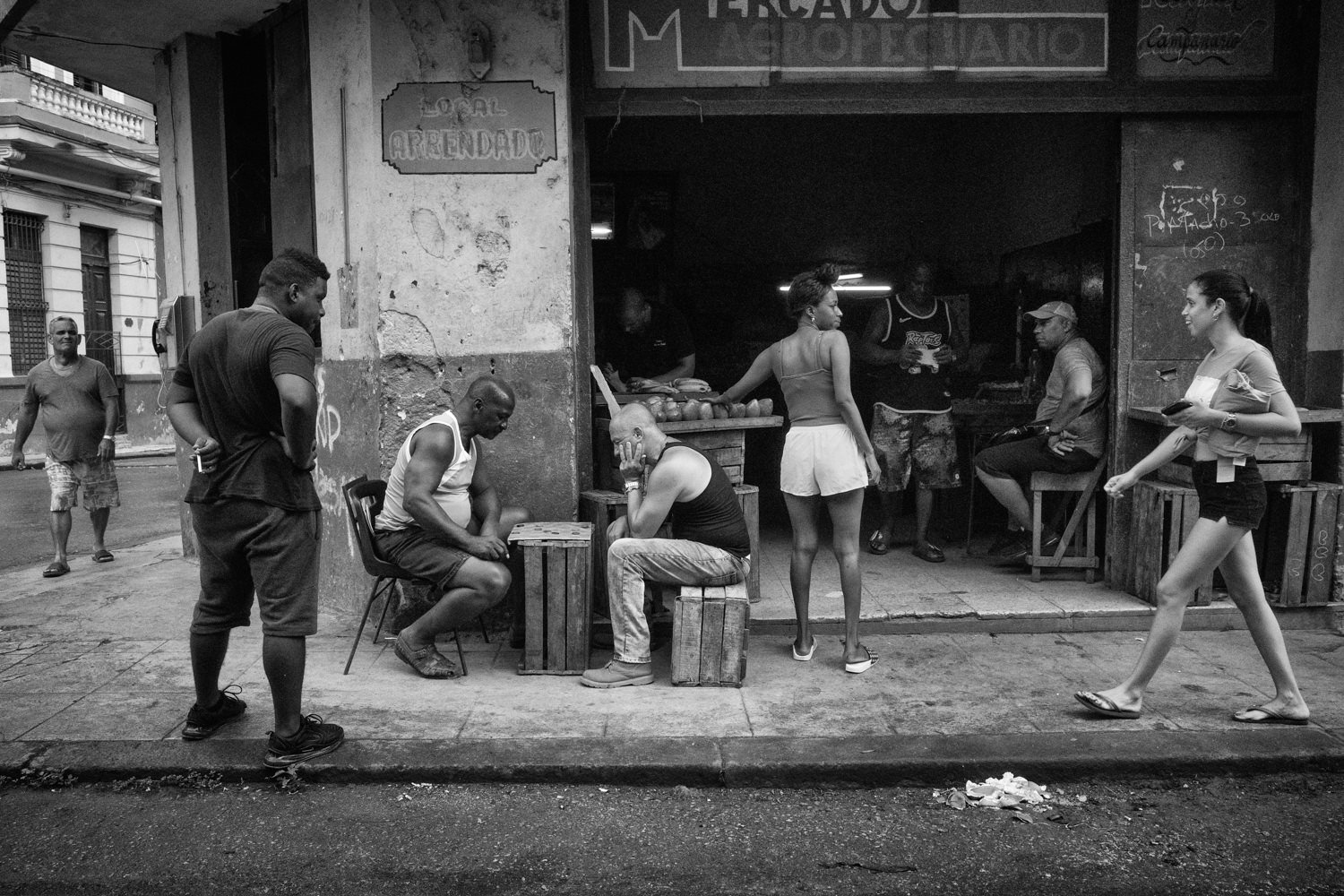
Living in Rome, where every street is an intertwining of history and every corner reveals a new story, has offered me an endless canvas for my passion in street photography.
My journey begins each day in the Prati district, the place I call home. Situated near the Vatican, Prati with its elegant avenues and hidden alleys is both the starting point and inspiration for my explorations. Here, the rhythm of daily life intertwines with the whispers of the past, providing a unique backdrop that continually fuels my creativity.

With the Leica Q3 by my side, exploring Rome takes on new dimensions. The camera is not just a tool; it's an extension of my vision, integrating seamlessly into my experiences without overshadowing them. Its intuitive design allows me to focus on the moments unfolding around me rather than on the mechanics of photography.
As I lose myself among the tree-lined streets of Prati or venture into the lively markets of Campo de' Fiori, the Q3 adapts effortlessly, capturing the essence of each scene with clarity and depth.
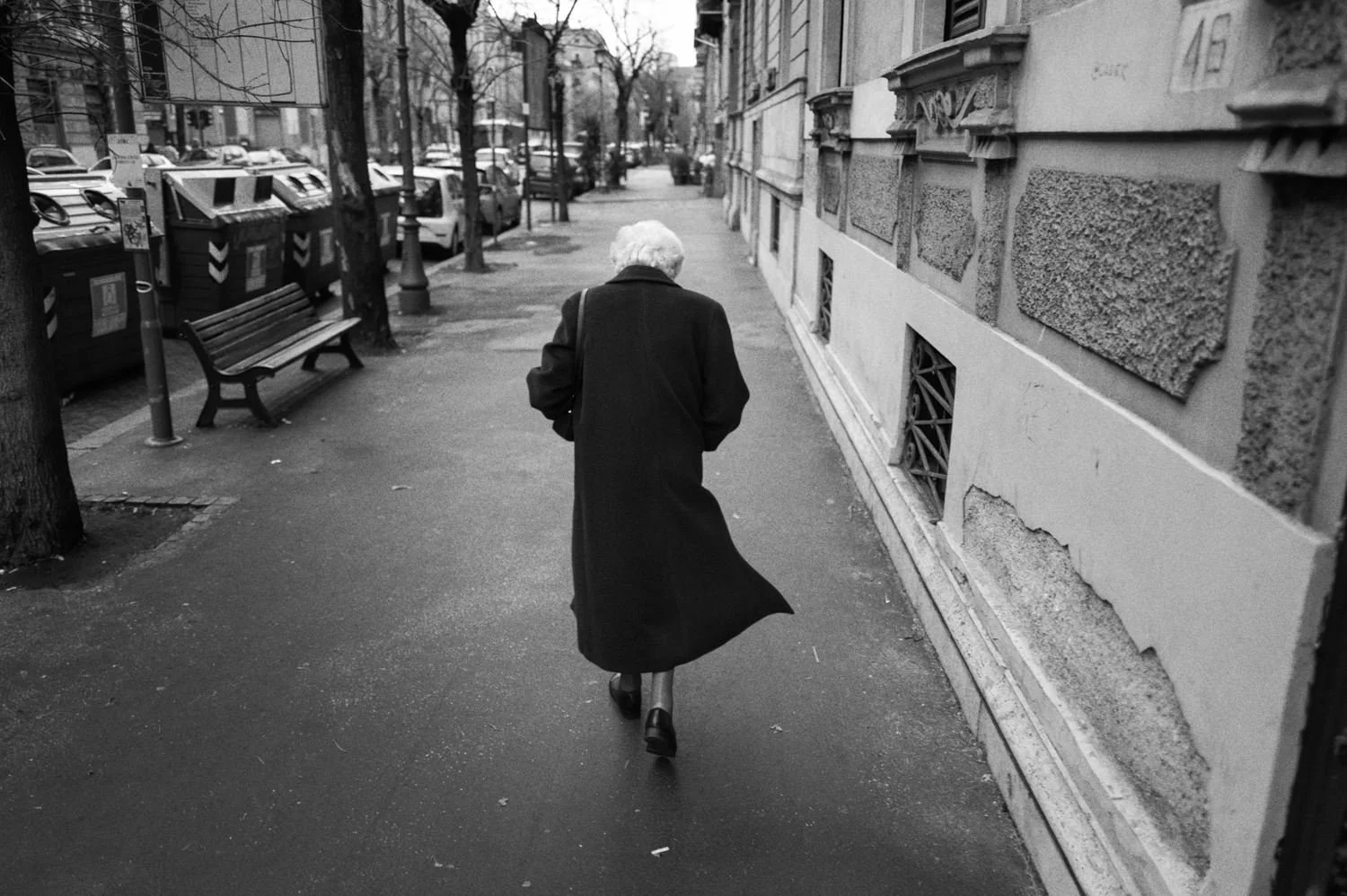
The connection I feel with Rome goes beyond its iconic monuments. It's in the daily interactions—the barista who knows my favorite coffee, the artisans meticulously working leather, the laughter of children playing in the squares. Living here, I've become part of the city's fabric, and this intimacy permeates my work. The Leica Q3, with its discreet presence, allows me to document these genuine moments without intrusion, preserving the authenticity that makes Rome so enchanting.
Strolling through neighborhoods like Pigneto and San Lorenzo, I immerse myself in the vibrant energy and street art that define these areas. The juxtaposition of old and new, tradition and innovation, creates a dynamic environment that challenges and inspires me. In the early morning hours at the Porta Portese market on Sundays, I navigate the labyrinth of stalls, capturing the ebb and flow of vendors and visitors engaged in the timeless dance of commerce.
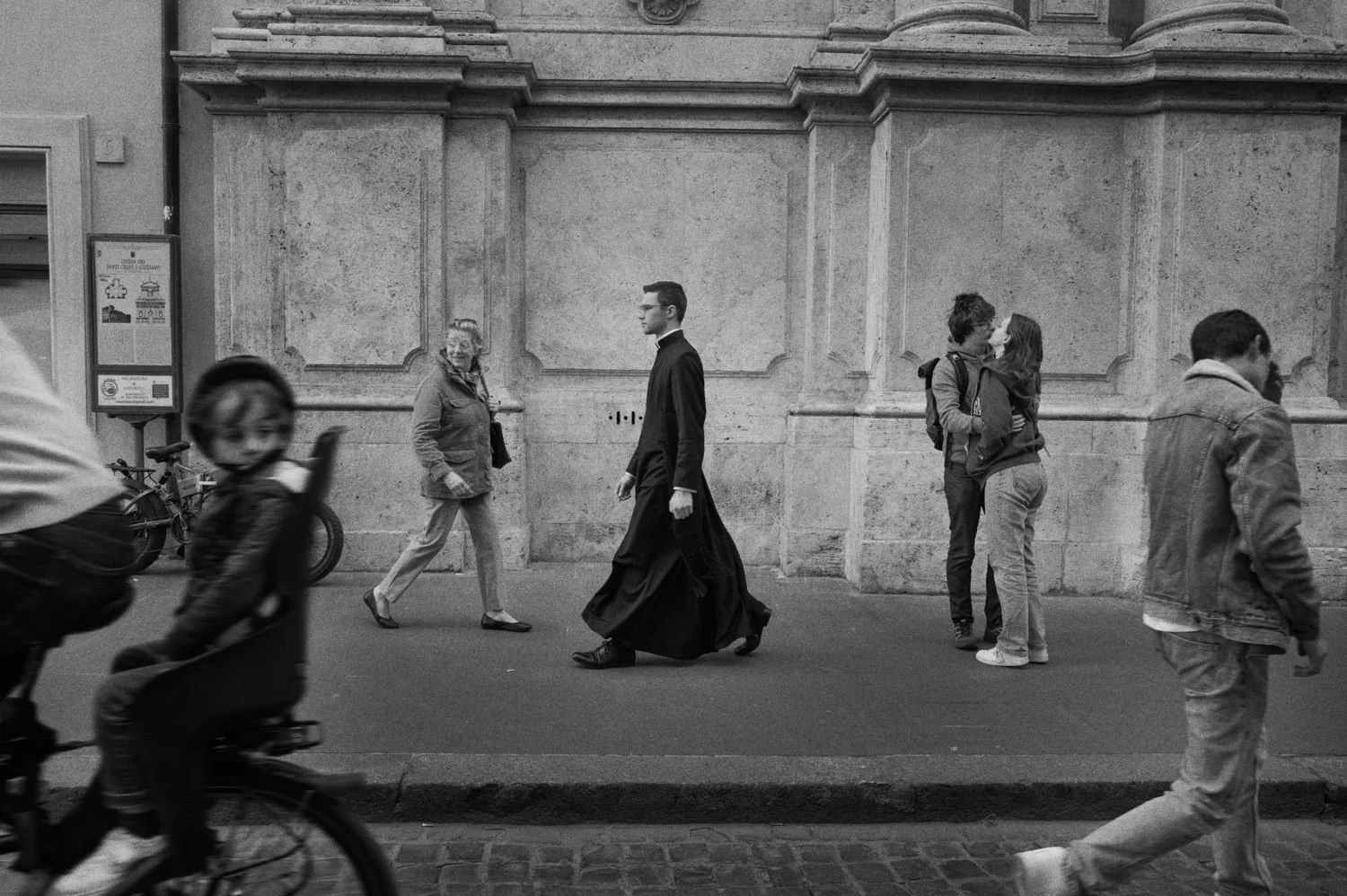
Each photograph is more than an image; it's a narrative that reflects my deep connection with the city. The textures of ancient stone, the interplay of light and shadow on historic facades, the candid expressions of Romans in their daily routines—all come together to tell the story of a city that is both eternal and ever-evolving. The Leica Q3 becomes a silent partner in this endeavor, its features enhancing my ability to translate these experiences into visual art without diverting attention from the subjects themselves.
As I traverse Rome's diverse landscapes—from the grandeur of the Colosseum to the intimate charm of Trastevere—I am continually reminded of the privilege of living and creating here. The city's layers unfold with each exploration, revealing new facets that deepen my appreciation and connection. The camera serves not as a distraction but as a bridge, allowing me to engage more deeply with my surroundings and the people who inhabit them.

Reviewing my work, I don't just see photographs; I relive the sensations—the warmth of the sun filtering through the arches of Via dei Fori Imperiali, the inviting aroma of fresh bread in local bakeries, the distant hum of conversations blending with the melody of street musicians.
In Rome, street photography transcends mere documentation; it becomes a dialogue between the photographer and the city. It's about capturing the soul of a place that is both historical and contemporary, familiar yet full of surprises. The Leica Q3 completes this journey, integrating effortlessly into my process and allowing me to focus on the stories waiting to be told.

Iconic Spots in Rome for Black and White Street Photography
For those seeking to explore Rome through the timeless medium of black and white photography, the city presents an abundance of locations where contrasts, textures, and forms come alive.
Prati: Starting with Prati, this upscale neighborhood near the Vatican is characterized by its elegant streets and Art Nouveau buildings. The orderly grid layout contrasts with the more chaotic streets of central Rome, providing unique geometrical compositions. The monochromatic palette enhances the intricate architectural details and the interplay of light and shadow along its wide boulevards.
Pigneto: Known as the artistic heart of Rome, Pigneto is a vibrant district teeming with creativity. Its streets are adorned with colorful murals and graffiti, which, when captured in black and white, emphasize textures and forms over hues. The area's eclectic mix of old tenement buildings and modern cafes provides a gritty yet dynamic backdrop for street photography.
San Lorenzo: Adjacent to Rome's main university, San Lorenzo is a lively neighborhood with an edgy vibe. It's a hub for students and artists, featuring a mix of traditional Roman life and contemporary culture. In black and white, the raw urban landscapes, street art, and bustling nightlife scenes of San Lorenzo are accentuated, revealing the area's authentic and unpolished charm.
Porta Portese Market (on Sundays): Every Sunday, the streets of Trastevere transform into the sprawling Porta Portese flea market. The market is a hive of activity, with vendors selling antiques, vintage clothing, and an array of curiosities. Black and white photography captures the essence of this bustling marketplace—the animated bargaining, the diverse crowd, and the labyrinth of stalls—all contributing to a rich tapestry of human interaction.
The Colosseum: This ancient amphitheater stands as a testament to Rome's storied past. In monochrome, the stark lines and imposing structure of the Colosseum are accentuated, highlighting its grandeur against the sky. Early morning or late afternoon shadows add depth to the stone arches, creating dramatic compositions.
Trastevere: A neighborhood that retains the charm of old Rome, Trastevere's narrow cobblestone streets and ivy-covered buildings provide a rustic backdrop. Black and white photography amplifies the textures and the interplay of light and shadow in the winding alleys, capturing the soul of this bohemian enclave.
Piazza Navona: Known for its ornate fountains and Baroque architecture, this lively square offers a multitude of subjects—from street artists to bustling cafes. Monochrome images can focus on the intricate details of Bernini's Fountain of the Four Rivers or the expressive faces of passersby.
The Roman Forum: Walking through the ruins of temples and columns, one can almost hear the echoes of ancient Rome. Black and white photography emphasizes the monumental scale and weathered textures of these historical structures, evoking a sense of timelessness.
The Spanish Steps: This iconic staircase is a hive of activity. Capturing it in black and white allows photographers to play with the patterns created by the steps and the flow of people ascending and descending. The adjacent Barcaccia Fountain adds another element of interest with its unique shape.
Via dei Fori Imperiali: Flanked by imperial forums, this grand avenue leads toward the Colosseum. The linear perspective and the juxtaposition of ruins with the modern city make for compelling compositions, especially when rendered in shades of gray.
Campo de' Fiori: By day, it's a vibrant market; by night, a gathering place for locals and tourists alike. The textures of fresh produce, the animated expressions of vendors, and the historic surrounding buildings offer rich material for monochrome photography.
Testaccio: A neighborhood known for its authentic Roman atmosphere, Testaccio's mix of old warehouses, street art, and local eateries presents an off-the-beaten-path opportunity. Black and white images here capture the gritty and genuine side of Rome.
St. Peter's Square: The grandeur of the Vatican's entrance is unmatched. In black and white, the colonnades designed by Bernini create dramatic curves and lines, and the play of light through the columns can result in striking images.
Villa Borghese Gardens: This expansive park offers a peaceful retreat from the city's hustle. The interplay of light filtering through trees, the reflections on the lake, and the classical statues scattered throughout provide elegant subjects for black and white photography.
Each of these locations reveals a different facet of Rome's character. Through the lens of black and white photography, the emphasis shifts to composition, contrast, and emotion, allowing the intrinsic beauty of the city to shine through in its purest form.

In Rome, street photography isn't just about capturing images; it's about engaging with a living museum that breathes history and contemporary life in equal measure. The city's layers unfold with each exploration, offering new stories and connections. As a resident and a photographer, I am continually inspired by Rome's ability to surprise and move me.
Every frame is a dialogue between the past and the present, a snapshot of humanity set against one of the most iconic backdrops in the world. The Leica Q3 has been instrumental in this journey, enabling me to document these moments with clarity and authenticity.
Visit my Rome Street Photography Portfolio

Join me in exploring the eternal city through the lens. Whether you're a seasoned photographer or just starting out, there's a wealth of experiences waiting on the streets of Rome. Let's capture the heartbeat of this incredible city together.