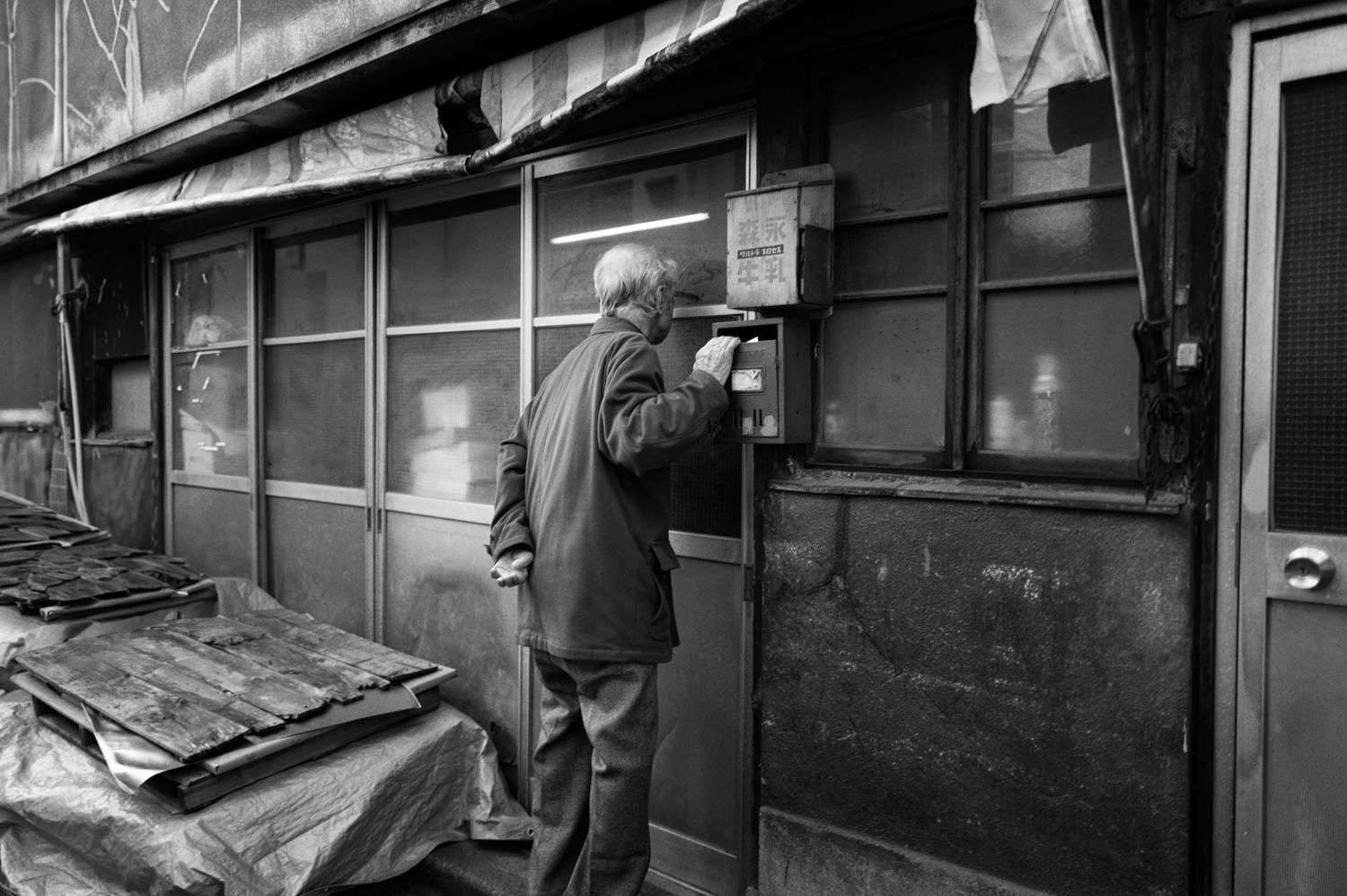
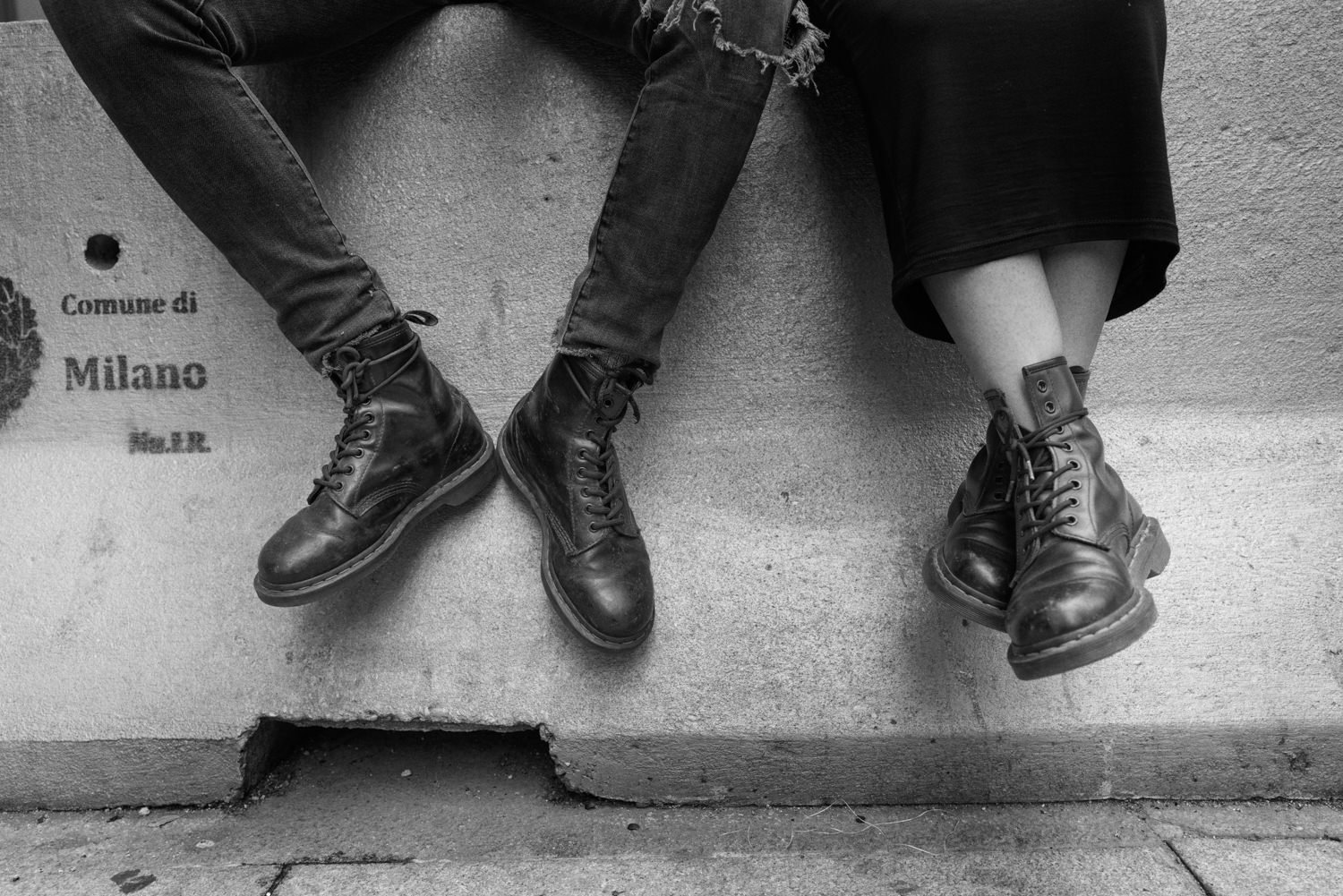
Black and White Street Photography by Eolo Perfido, Italian Street Photographer and Leica Ambassador.
Read MoreBlack and White Street Photography

Black and White Street Photography by Eolo Perfido, Italian Street Photographer and Leica Ambassador.
Read MoreFor the past 25 years, street photography has been far more than just a way to document the world around me—it’s been a path toward personal and artistic growth. I truly believe that the street offers us an opportunity not only to refine our craft as photographers but also to grow as human beings. Each stroll with a camera in hand offers the chance to see beauty in the everyday, to appreciate the subtleties of life, and to connect with people and cultures in a genuine, open-hearted way.
As someone who has long found meaning in the sidewalks and alleyways, the bustling plazas and quiet corners, I’ve seen how street photography helps nurture patience, curiosity, and empathy. It’s a chance to become part of the world unfolding before you, rather than a mere observer. These principles, drawn from my own journey, are meant as a guide and a source of inspiration—suggestions to help you find your own rhythm, voice, and vision. They’re not meant to confine, but to encourage exploration. May they help you embrace the street and discover all that it can teach you.
Street Photography Principles
Principle #1: Find a street or neighborhood you trust and then immerse yourself in it. Let its rhythm, people, and energy guide your eye. Over time, you’ll begin to see subtle patterns, gestures, and stories you might have missed at first glance.
Principle #2: Draw inspiration from every source—fellow photographers, strangers on the street, shifting light, and everyday interactions. Let each outing become a lesson, one that refines your understanding of composition, timing, and storytelling.
Principle #3: When you share with peers, encourage them to look closer and think deeper, just as they can help you refine your vision. Collective curiosity creates fertile ground for growth and discovery.
Principle #4: Consider every frame an experiment. Street life is unpredictable—embrace it. Each photograph, whether it succeeds or falters, offers insight into the craft and your own perspective.
Principle #5: Develop self-discipline. Aim for a regular shooting routine, even if it’s just a short stroll each day. It’s not about waiting for the perfect moment; it’s about training your eye to recognize it when it appears.
Principle #6: Nothing is a wasted shot. Unfocused frames, missed expressions, awkward compositions—these so-called mistakes are stepping stones. There’s no such thing as failure here, only another chance to learn and evolve.
Principle #7: The act of photographing is the essence. Keep exploring, walking, and shooting. Over time, the practice itself will reveal patterns, connections, and moments of meaning. The more you engage, the more you understand.
Principle #8: Don’t attempt to photograph and critique simultaneously. When you’re on the street, commit fully to seeing and capturing. Save the analysis and editing for later—both processes need space to flourish.
Principle #9: Seek joy whenever possible. Street photography can be challenging, but it’s also full of surprises. Embrace the spontaneity of shifting light, unpredictable subjects, and unexpected encounters. Delight in what you discover, no matter how small.
Principle #10: Feel free to break these principles sometimes. Approach a scene from an unusual angle, experiment with different techniques, and reject convention when it suits you. Leave room for instinct and spontaneity—often the greatest rewards lie in what can’t be planned.
Additional Suggestions:
Principle #11: Understand the legal and ethical landscape. Respect people’s privacy and dignity. Aim for honesty and integrity over exploitation, knowing your work has the power to represent real people and places.
Principle #12: Study light ceaselessly. Dawn, dusk, overcast skies, neon-lit nights—each scenario changes how the world looks. Light will shape the story you tell.
Principle #13: Be patient. Sometimes the best shots emerge when you linger, return to familiar locations, or wait for a scene to unfold. Patience is the quiet force behind many unforgettable images.
Principle #14: Stay curious. Notice cultural nuances, personal interactions, small details like graffiti or signage—these elements are the texture of real life, and they breathe authenticity into your frames.
Principle #15: Experiment with gear. Whether you use a phone, a compact camera, or a traditional rangefinder, find a setup that feels right for you. Simplicity and comfort often lead to more honest images.
Helpful Hints:
Always have your camera at hand.
Learn from the masters of the past and observe contemporary photographers for fresh perspectives.
Look at photo books, watch documentaries, and find inspiration in other art forms.
Keep even the flawed photos; in time, you may see them differently and understand their lessons.
Return often to favorite spots; places change with seasons, times of day, and your own evolving understanding.
Remain open, adaptable, and eager to learn. The street always has more to teach, if you’re willing to listen.
In the end, these principles are not about perfect images, but about opening your heart to what unfolds around you. They’re a quiet invitation to listen to the city’s whispers, to recognize the grace in a stranger’s stride, to find beauty in life’s overlooked corners. After all these years, I still feel like a beginner—a humble student of the street, eager to see what tomorrow brings, and grateful that the world’s stories keep asking to be told.
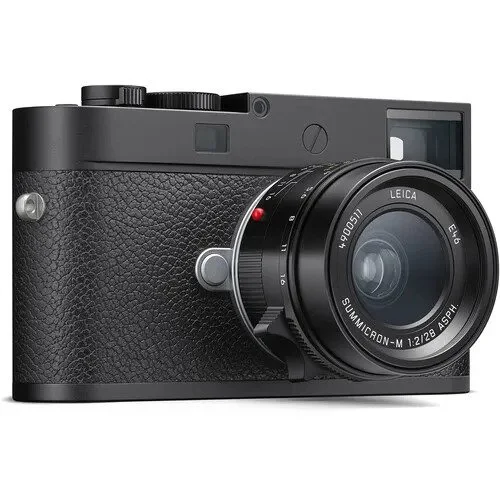
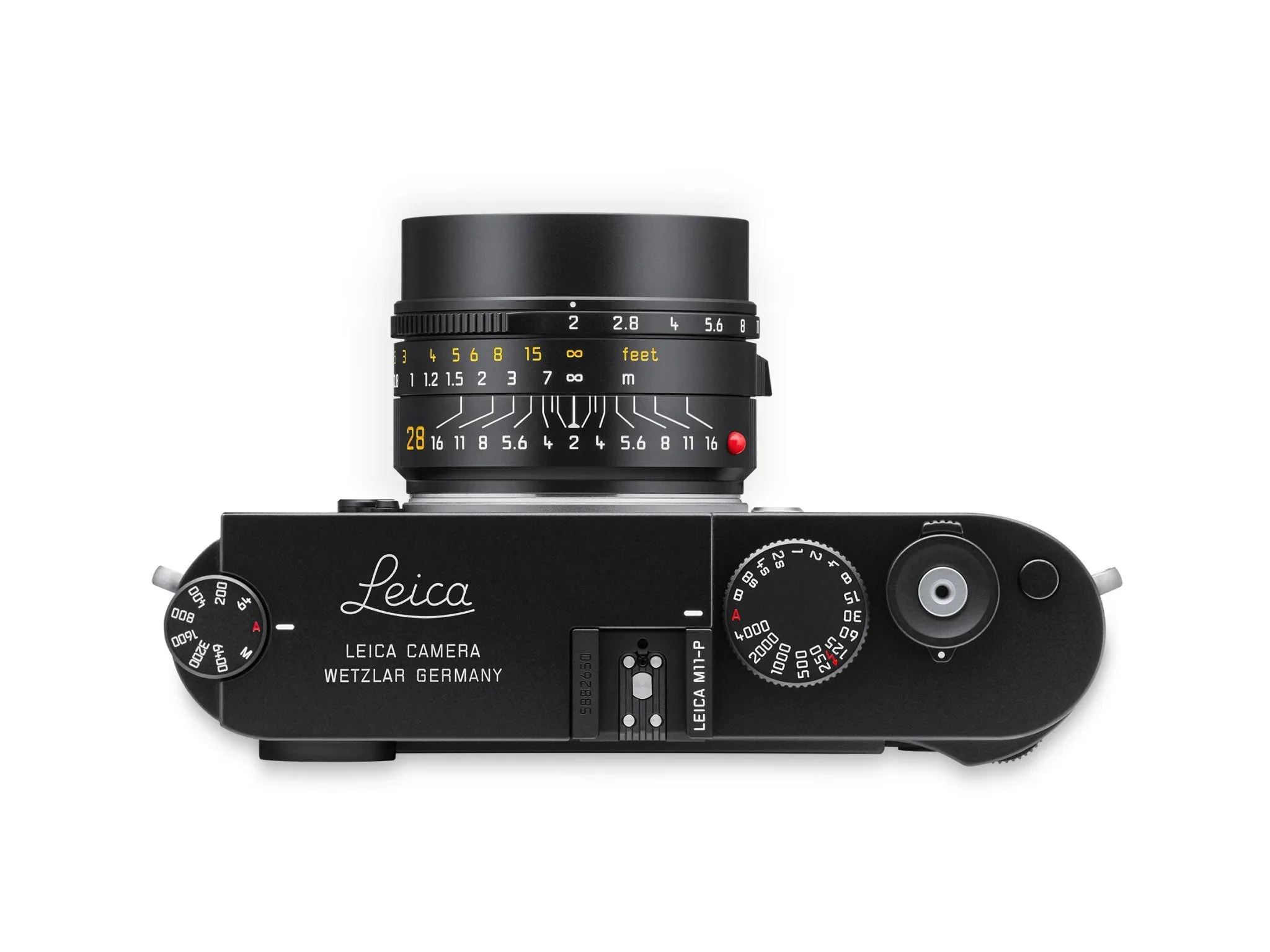
As a professional photographer and long-time Leica enthusiast, I currently own several M bodies, including the classic M3 and M6, but my primary tool for street photography is the M11P. While I cherish the vintage cameras in my collection, it's the M11P that has become my essential companion for capturing life on the streets.
The M system's timeless design continues to excel in street photography. The M11P, in particular, represents the perfect blend of classical mechanical excellence and modern digital capabilities. Its discrete presence, silent shutter, and minimal size allow me to work without drawing attention - a crucial advantage when photographing on the streets.
The rangefinder system provides a unique advantage, showing me more than what the lens captures and allowing me to anticipate moments before they enter my frame. Combined with the M11P's enhanced viewfinder brightness and precise frame lines, this creates an unparalleled tool for street photography.
My street photography relies exclusively on three wide-angle lenses, each used with specific hyperfocal settings:
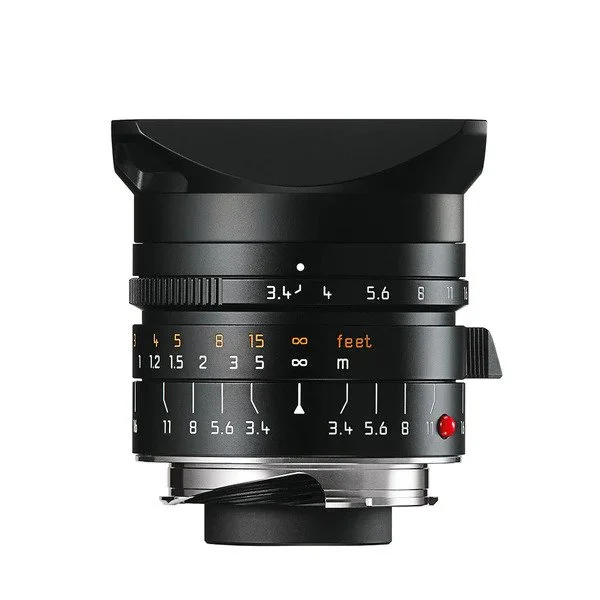
I use this ultra-wide exclusively at f/8 hyperfocal. Working close to my subjects, I use it as a proximity lens - filling the frame with my subject while maintaining environmental context. At f/8, everything from 1.2 meters to infinity remains sharp, allowing me to focus entirely on composition and timing.
Set consistently to f/10 hyperfocal, this lens provides the perfect balance between ultra-wide and standard perspectives. I use it to work close to subjects, eliminating distractions through proximity. The hyperfocal setting ensures everything from 1.4 meters to infinity stays in sharp focus.
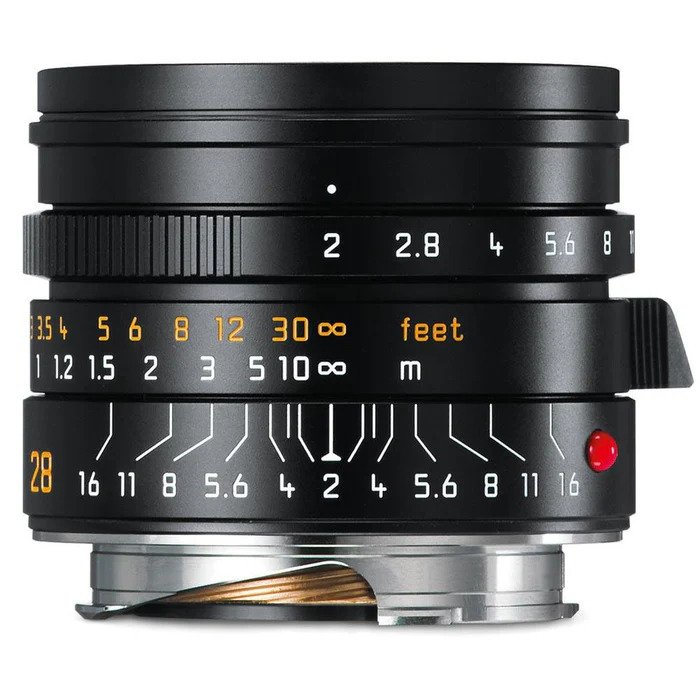
My most frequently used focal length, always set to f/11 hyperfocal for street work. This provides critical focus from 1.8 meters to infinity - perfect for spontaneous moments. While it's capable of beautiful bokeh at f/2, the hyperfocal approach better suits my street photography style.
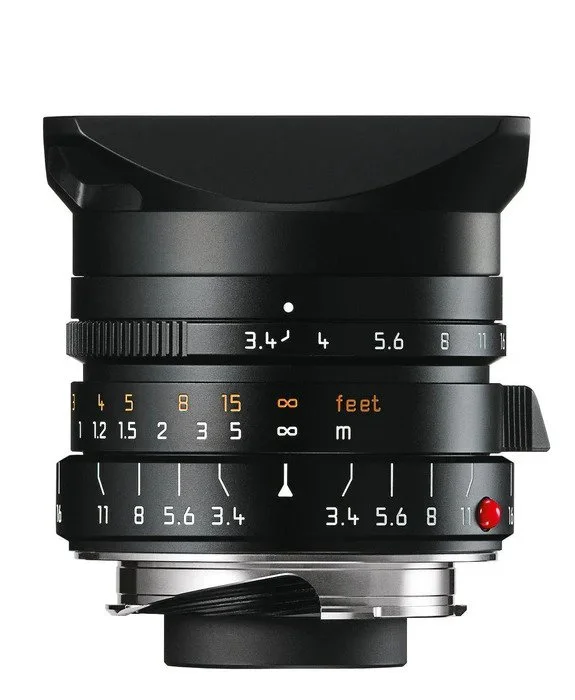
The precision engineering of Leica M lenses makes hyperfocal focusing remarkably straightforward. Here's how it works and why it's so effective for street photography:
Hyperfocal distance is the focus point that provides maximum depth of field, from half the focused distance to infinity. When set correctly, everything within this range will be acceptably sharp.
The mechanical precision of M lenses makes setting hyperfocal distance simple and repeatable:
Locate the f/8 marking on the depth of field scale
Align the infinity mark with this f/8 marking
Everything from 1.2m to infinity will be in focus
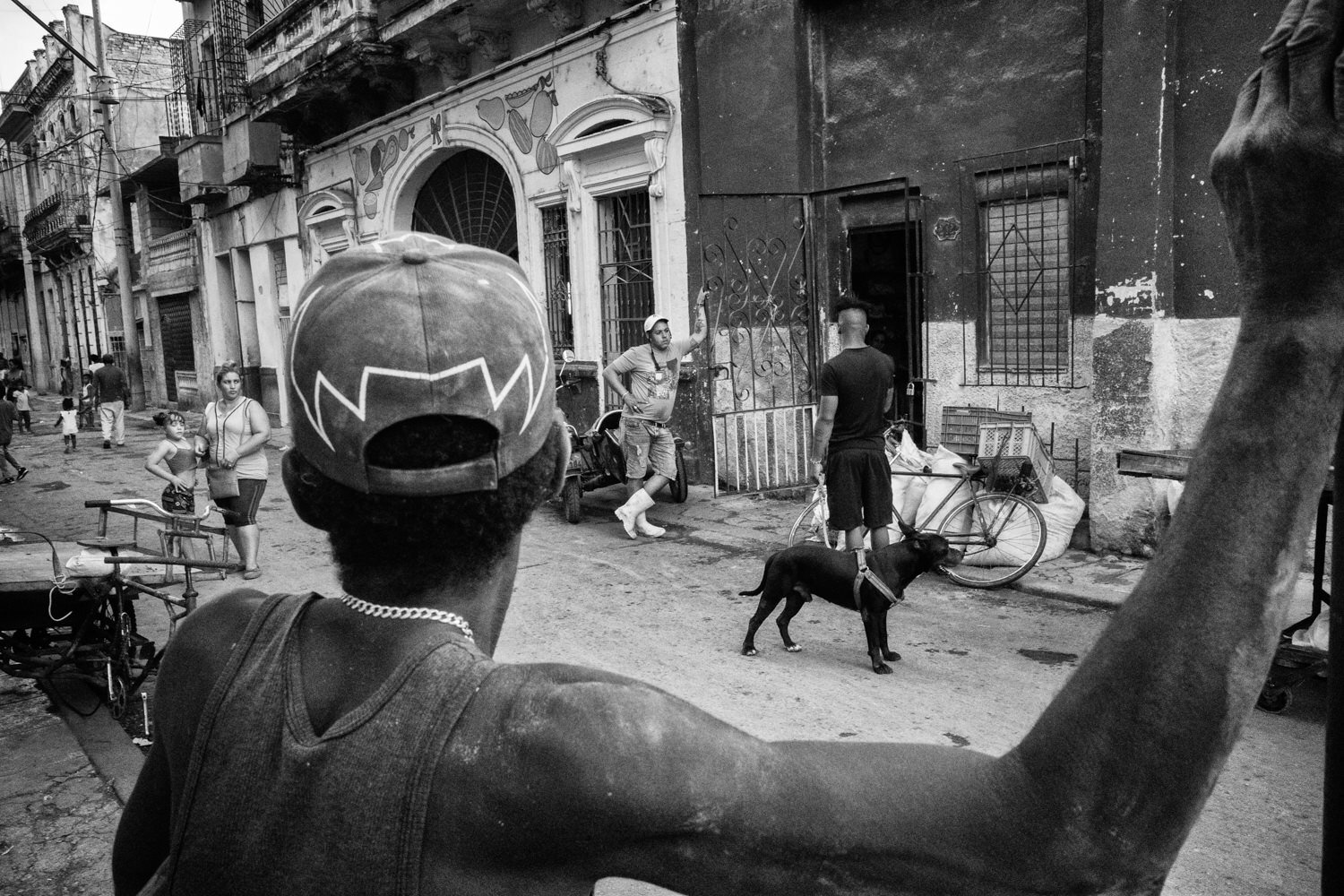
Havana - 21mm Super-Elmar f/3.4 ASPH
Find the f/10 marking on the depth of field scale
Align infinity with this mark
Sharp focus from 1.4m to infinity
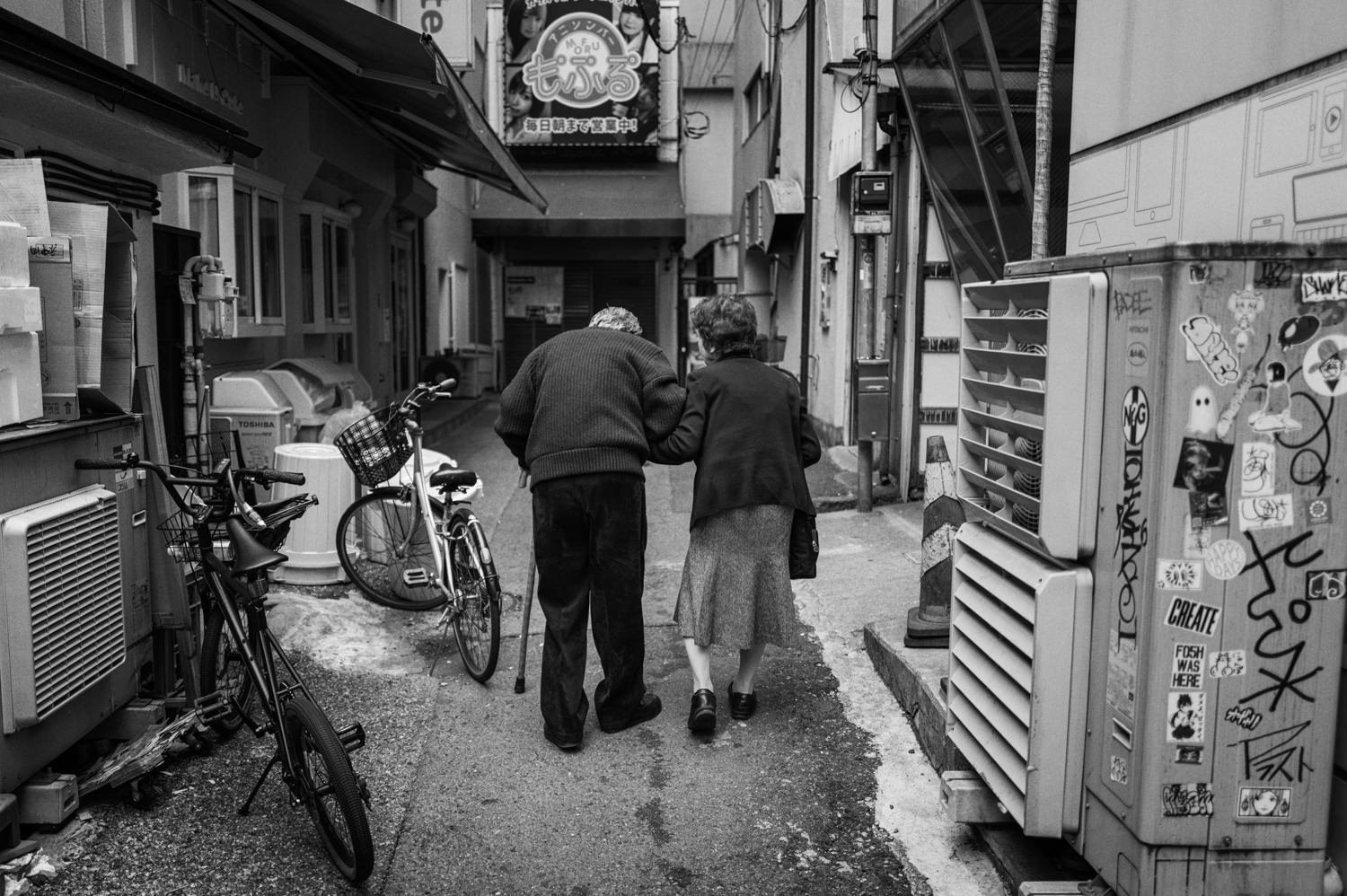
Tokyo - 24mm Super-Elmar f/3.8 ASPH
Align infinity with the f/11 marking
This ensures sharpness from 1.8m to infinity
The beauty of this system lies in its mechanical simplicity - no calculations or electronic aids needed. The tactile nature of the focusing rings means I can set these distances even without looking at the lens.
Budapest - 28mm Summicron f/2 ASPH
My approach combines these technical settings with a specific shooting style:
Proximity Shooting
Using wide-angle lenses to get close to subjects
Filling the frame to eliminate distractions
Using the environment as context while maintaining subject emphasis
Zone Focusing
Pre-set hyperfocal distances for each lens
No need to adjust focus while shooting
Complete concentration on composition and timing
Anticipation
Using the rangefinder's wider view to anticipate moments
Quick response to developing scenes
Confident framing without chimping
The combination of the M11P's capabilities with these three lenses creates a highly efficient street photography system:
Technical Consistency
Each lens has its dedicated aperture and hyperfocal setting
Settings become muscle memory
No technical decisions needed while shooting
Creative Freedom
Technical aspects are preset and reliable
Full attention on composition and timing
Confident working in rapidly changing situations
Discretion
Minimal equipment
Quick, silent operation
Unobtrusive presence
While I treasure my M3 and M6 as pieces of photographic history, the M11P with these three wide-angle lenses has become my ultimate street photography tool. The combination of traditional mechanical excellence with modern digital capabilities, coupled with the systematic use of hyperfocal settings, creates an unmatched platform for capturing decisive moments on the street.
This approach might seem technical in description, but in practice, it becomes second nature. The mechanical precision of the M system makes these technical aspects fade into the background, leaving me free to focus on what really matters - observing and capturing life as it unfolds on the streets.