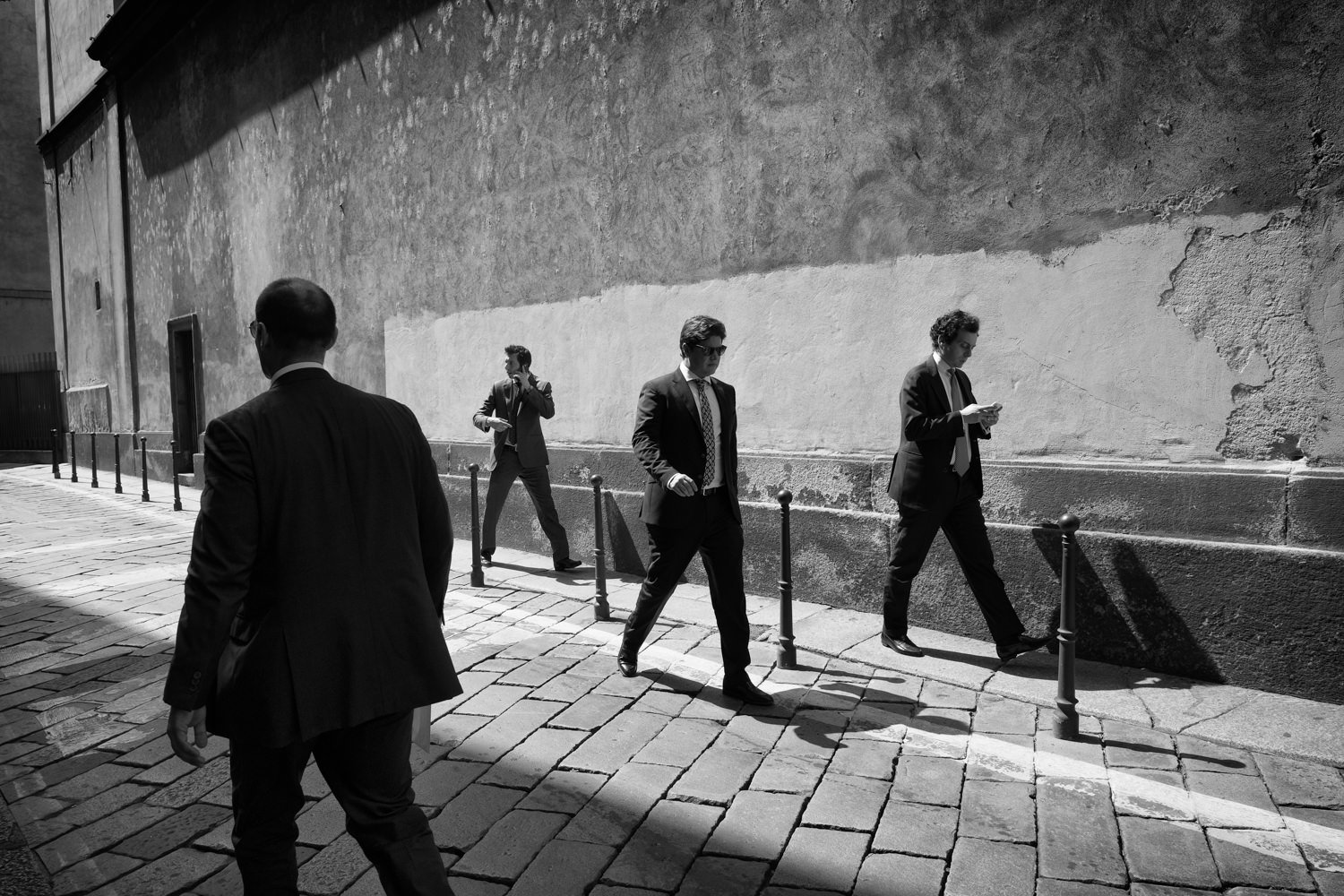
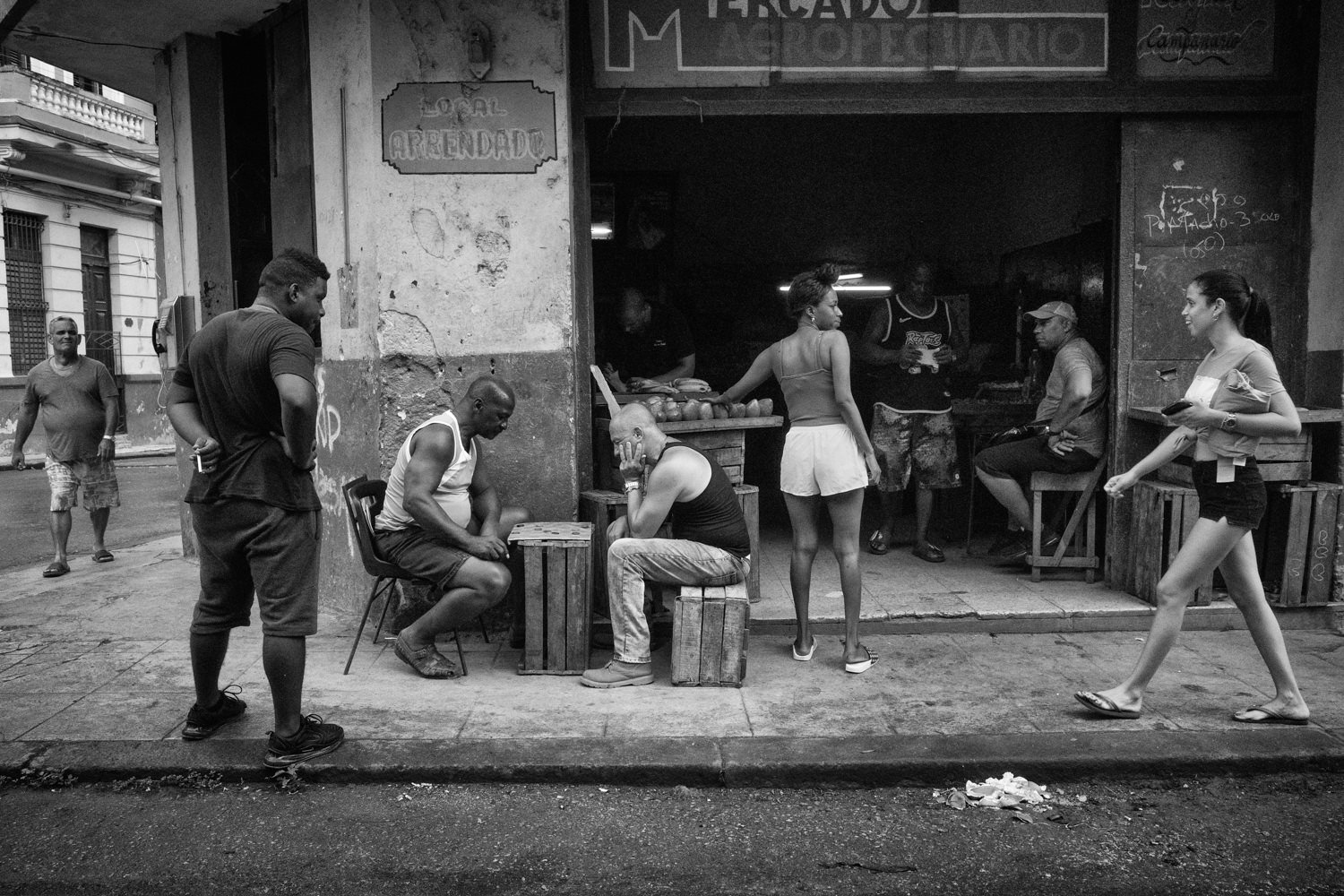
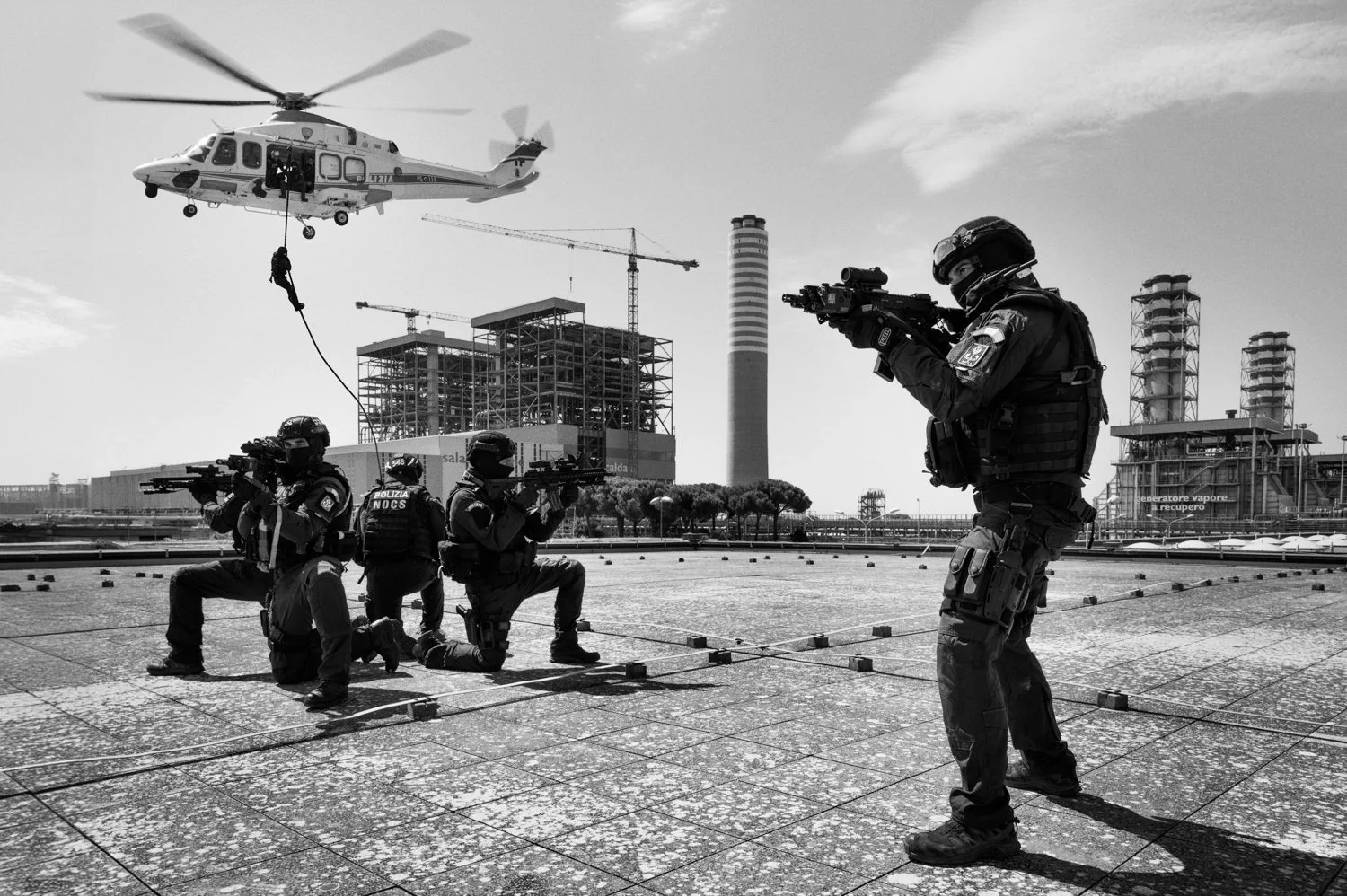
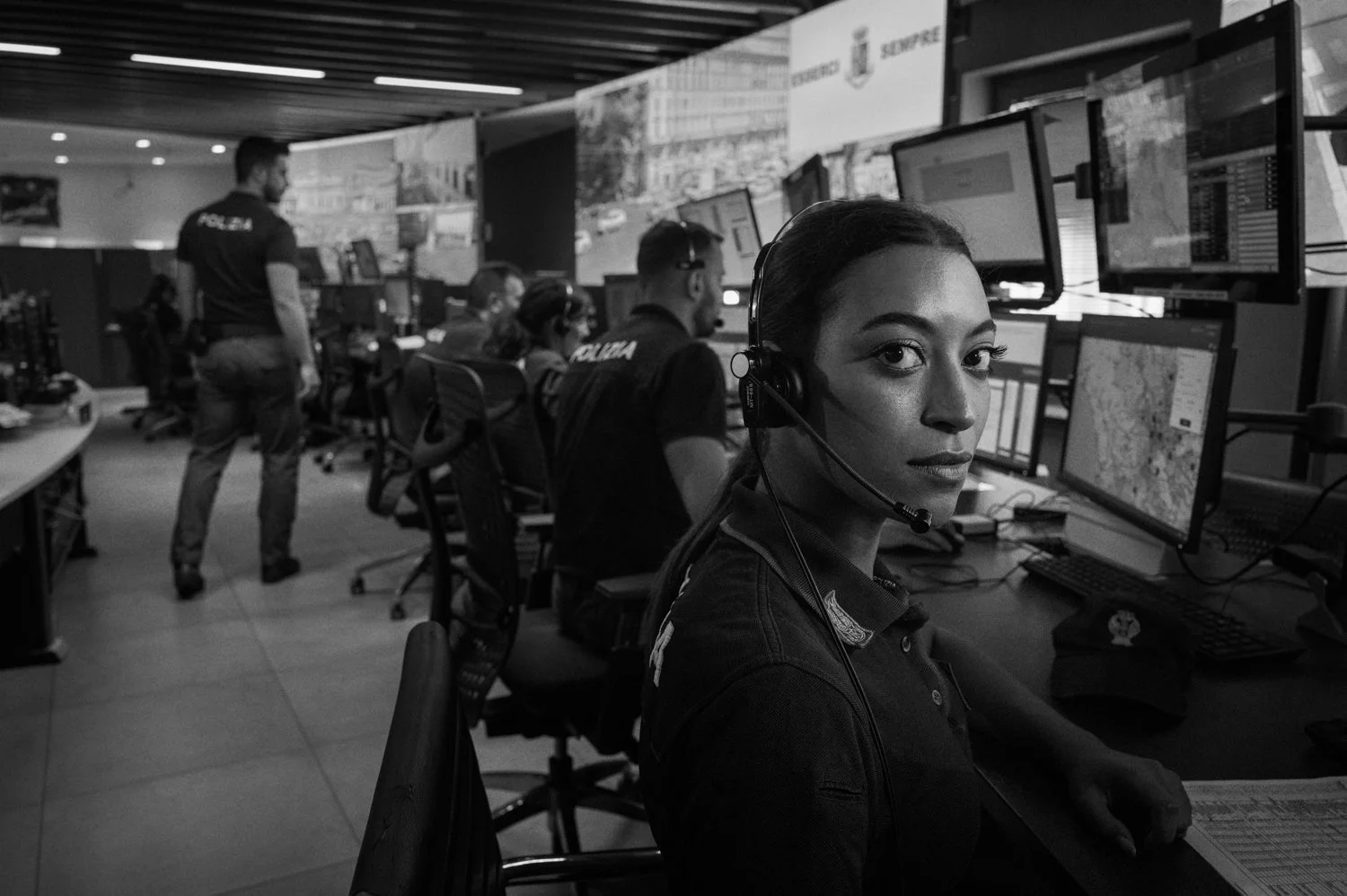
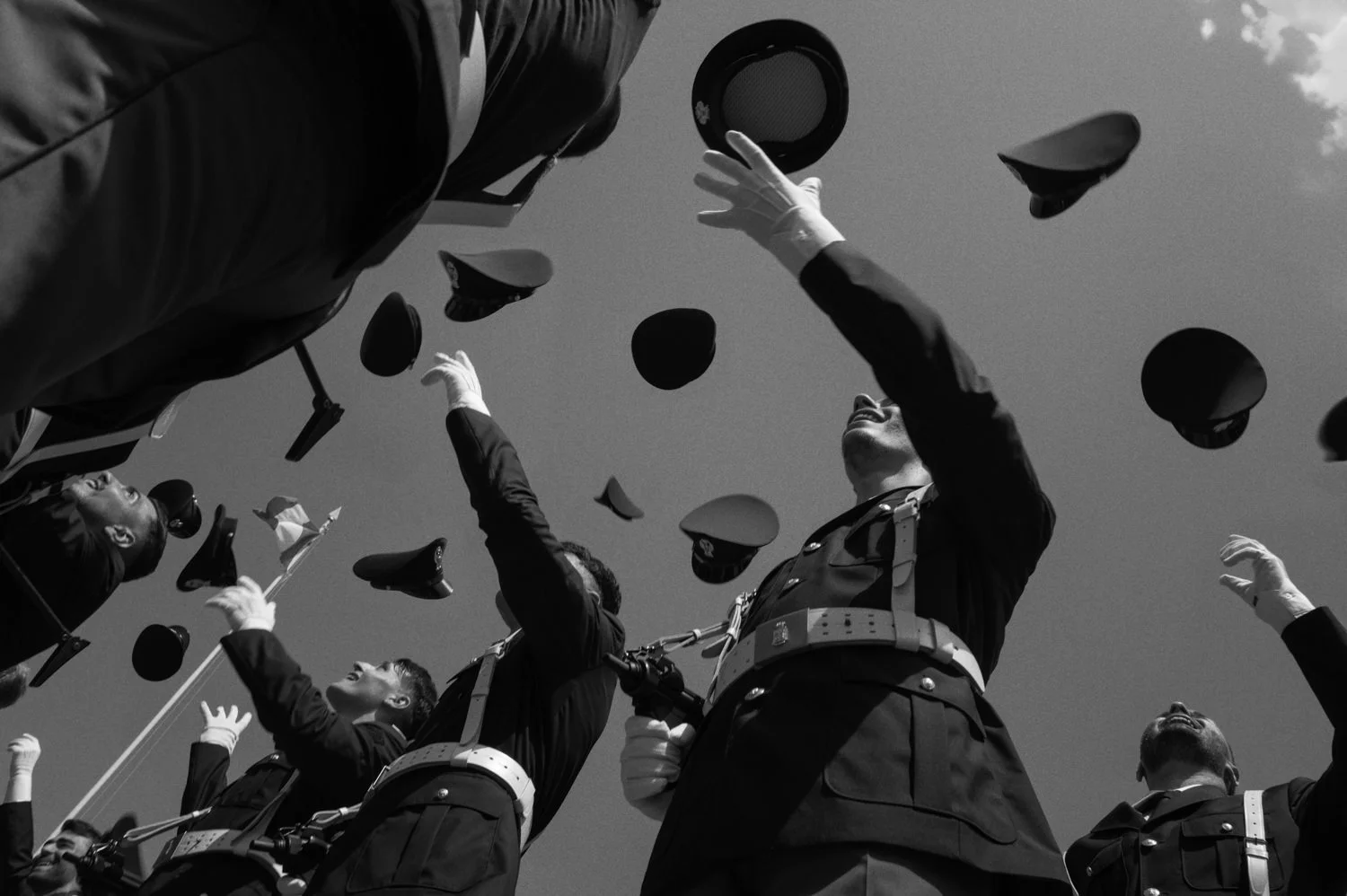
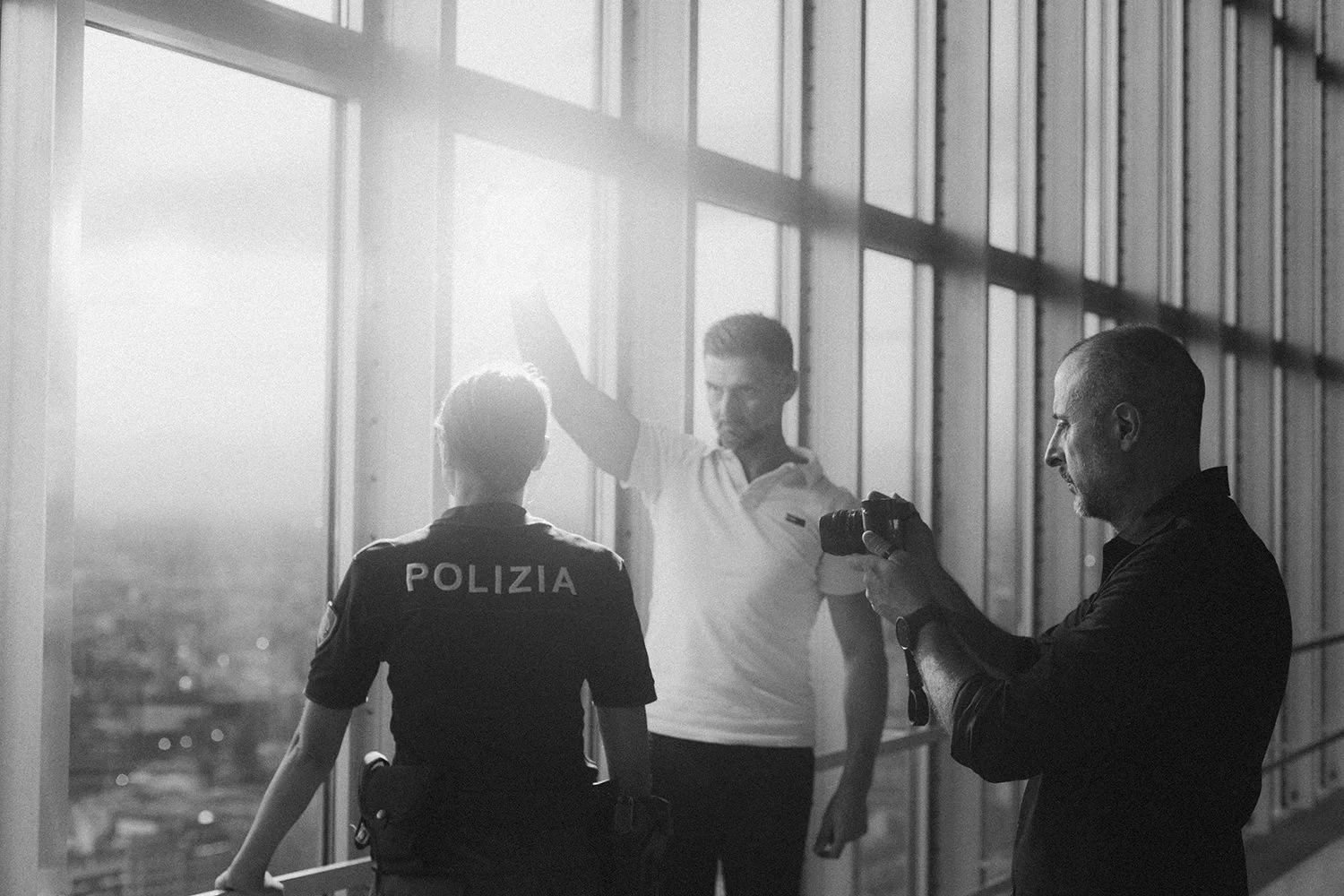
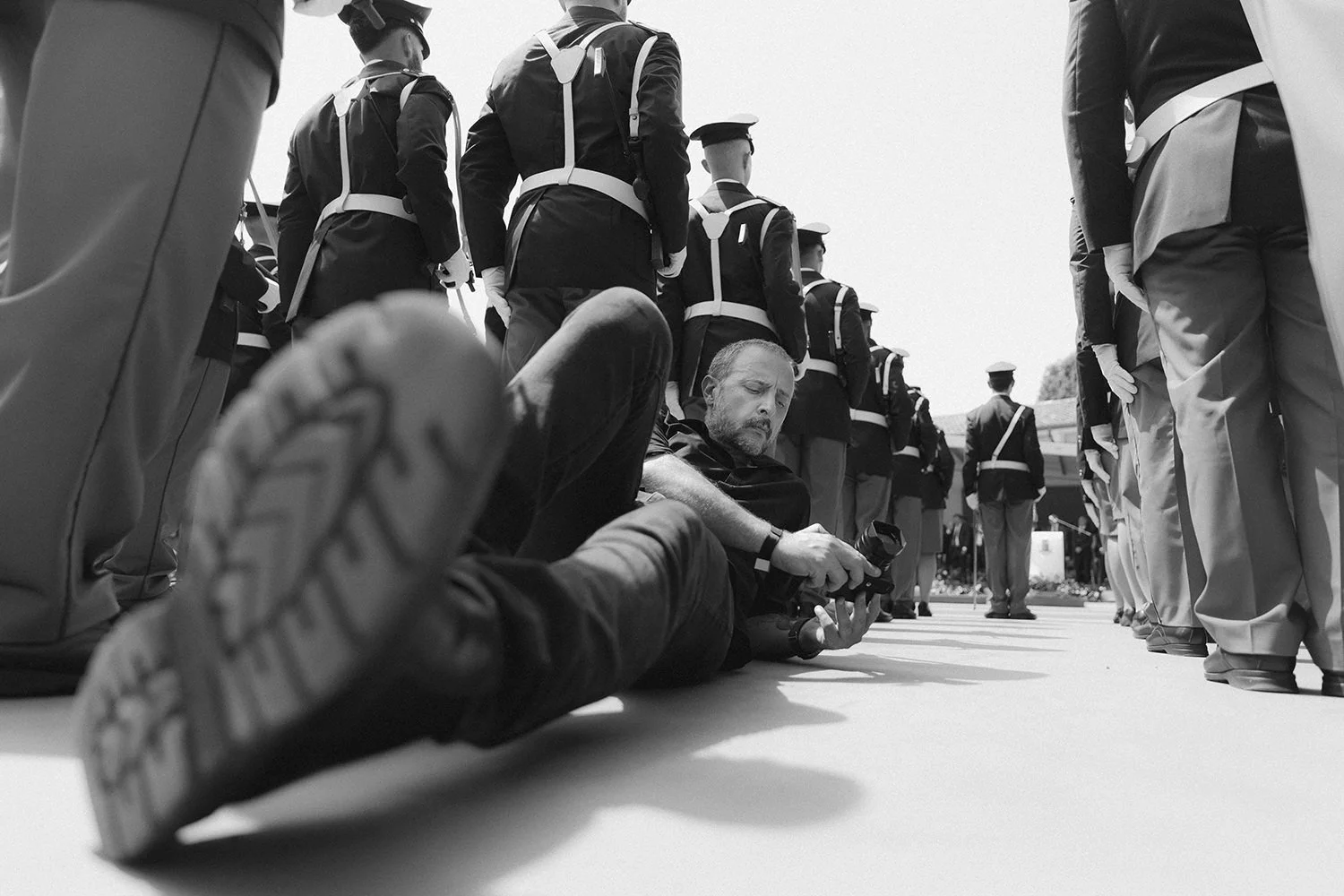
There's something truly magical about that fleeting moment when a complete stranger's eyes unexpectedly meet your lens. In that brief fraction of a second, entire worlds collide, countless stories intersect, and something remarkably profound occurs: the beautiful birth of a striking street photography portrait. Street portraiture, after all, isn't merely about taking photographs; it is an intimate dance between the photographer and the subject, a delicate balance of technical skill, artistic vision, and genuine human connection that unfolds in the vibrant theater of public life. Each encounter offers a unique opportunity to capture the essence of a moment, creating a visual narrative that resonates long after the shot has been taken.

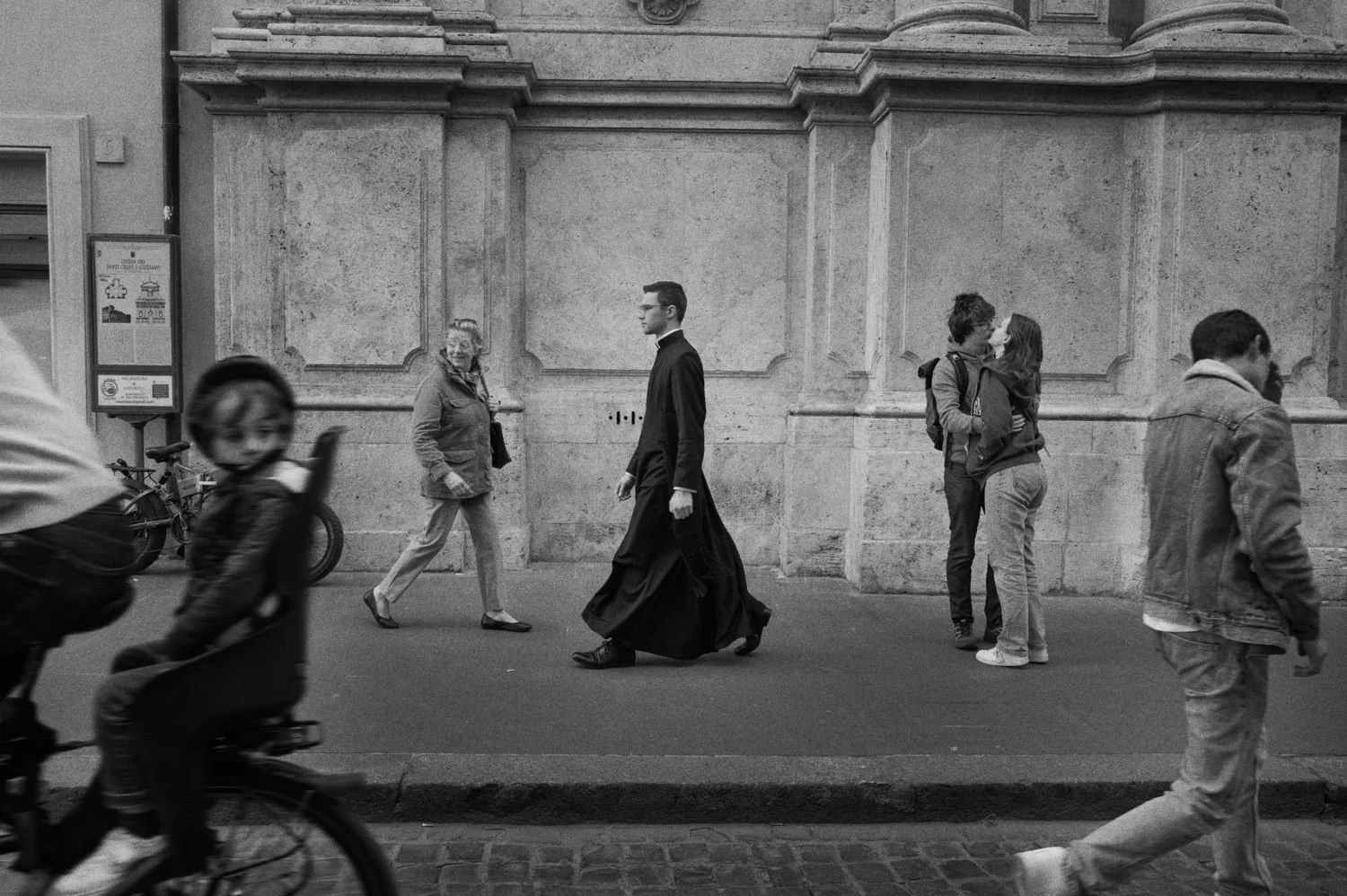
Rome, Leica Q
The roots of this captivating art form run deep through photography's history. When Paul Strand first raised his camera to photograph unsuspecting New Yorkers in the early 1900s, he wasn't just making images – he was pioneering a new way of seeing humanity. Later, the legendary Diane Arbus would walk the same streets, drawing out the extraordinary from seemingly ordinary faces, teaching us that every person carries a universe within them worth exploring.
Today, as I walk these same vibrant streets with my trusted Leica Q3 or M11P in hand, I feel an undeniable connection to this rich and evolving legacy of street photography. However, street portraiture has transformed over the years, becoming something even more nuanced and challenging in our increasingly privacy-conscious world. It now demands not just technical mastery and skillful composition, but also a deep well of empathy and social intelligence to navigate the complexities of human interaction.
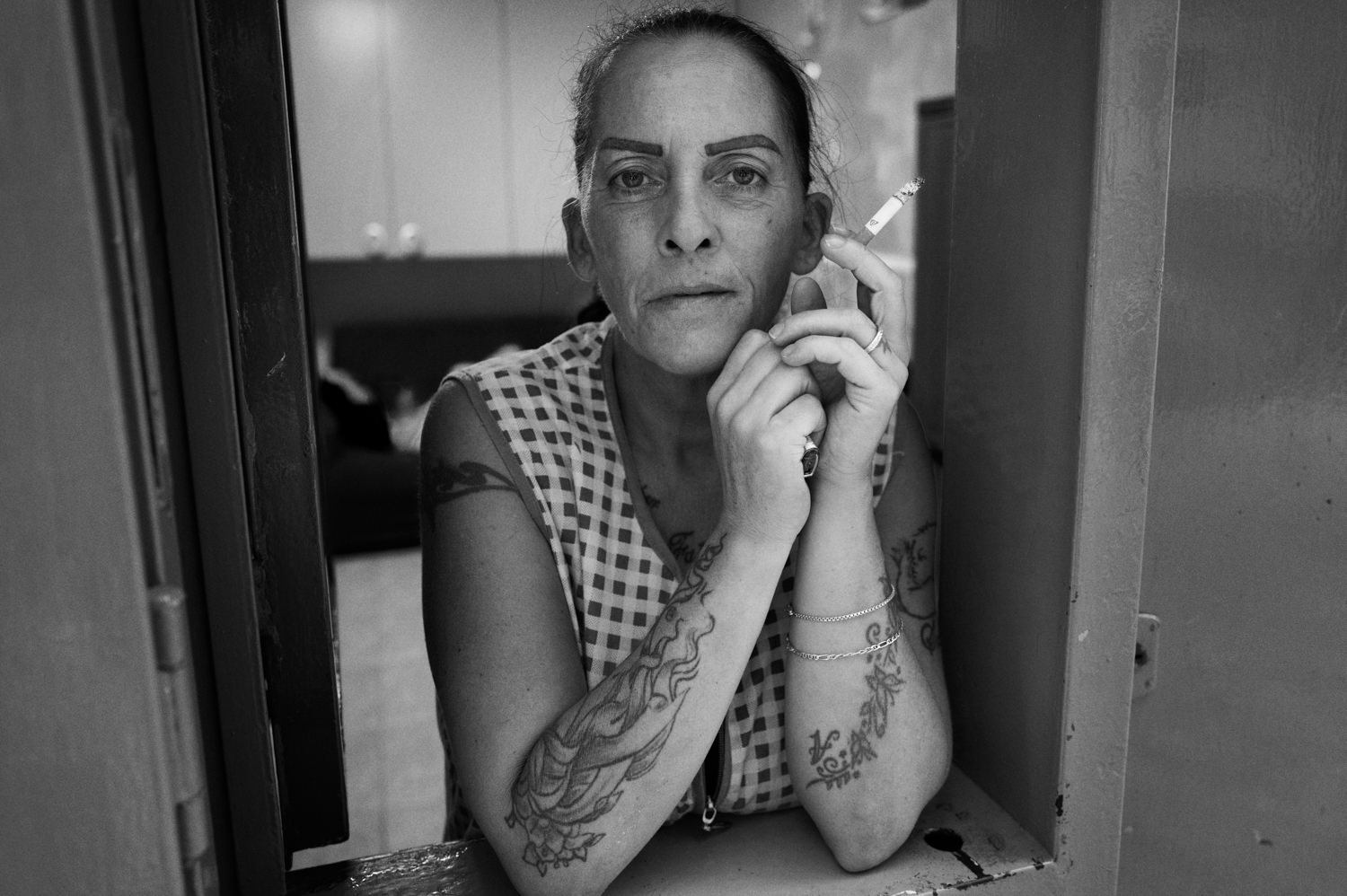
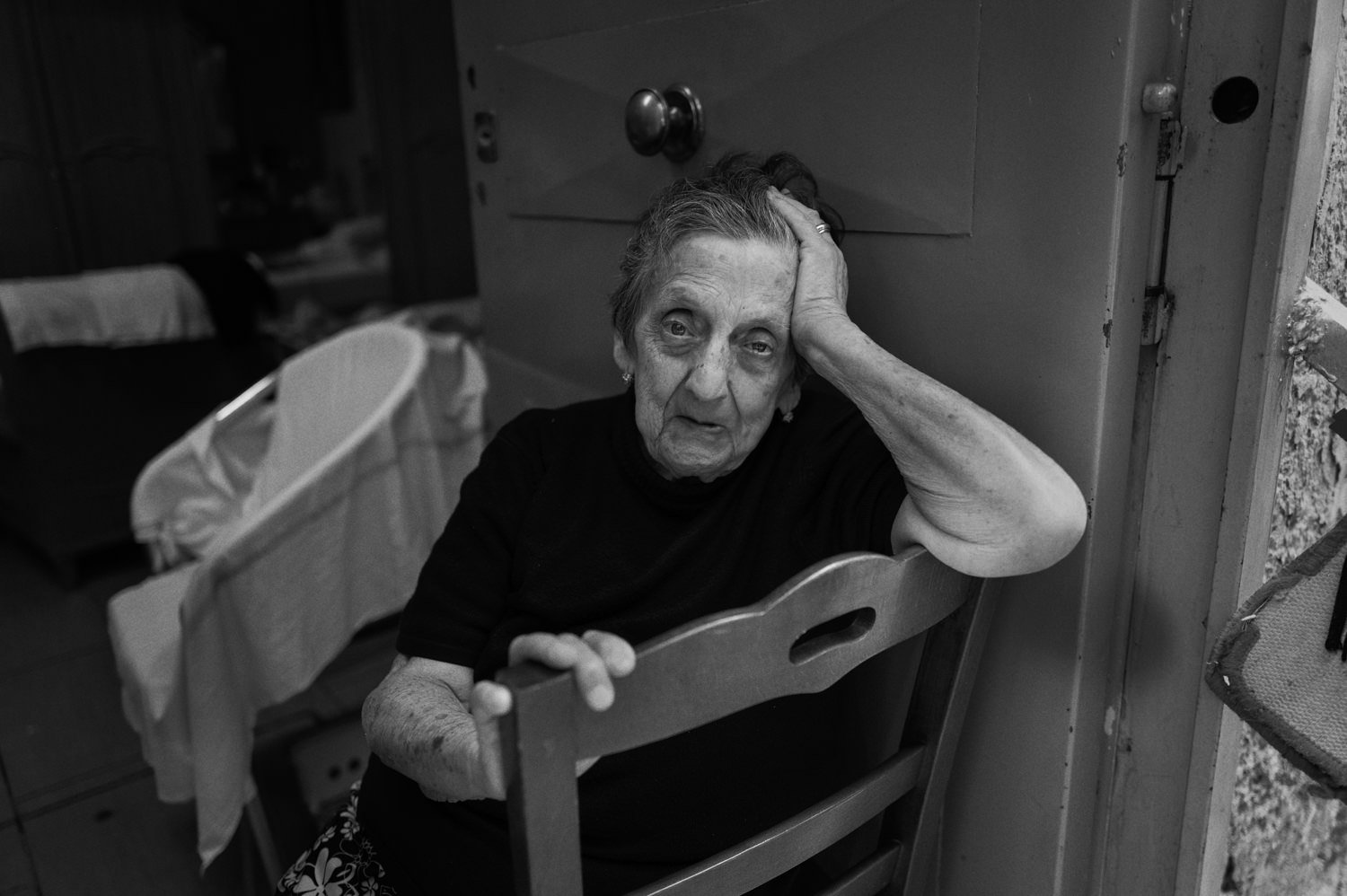
Napoli, Leica Q3
The heart of street photography portraiture beats in the realm of human connection. When I spot a potential subject, time seems to slow down. There's an almost electric moment of recognition – something in their expression, their posture, or the way light plays across their features that calls out to be captured. This is where empathy becomes your most vital tool. You must read the invisible language of body posture, facial micro-expressions, and social cues. You need to sense whether someone might welcome your lens or if they're seeking solitude.
This temporal space – this fleeting window of opportunity – is where the magic happens. Sometimes it's just seconds, a brief intersection of lives where you must decide: approach or observe, engage or remain silent. It's a dance of intuition and respect, where timing is everything and sensitivity is paramount.
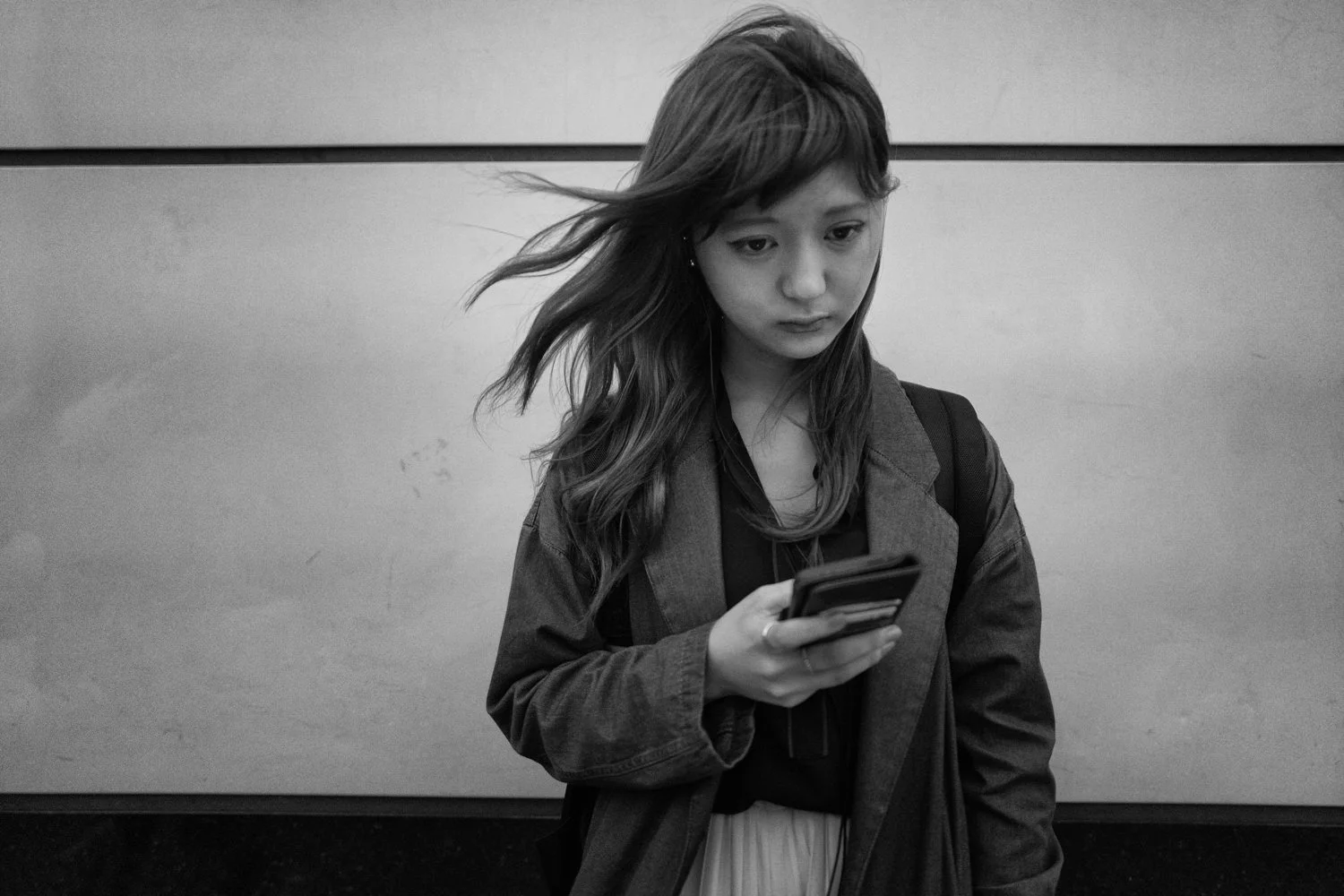
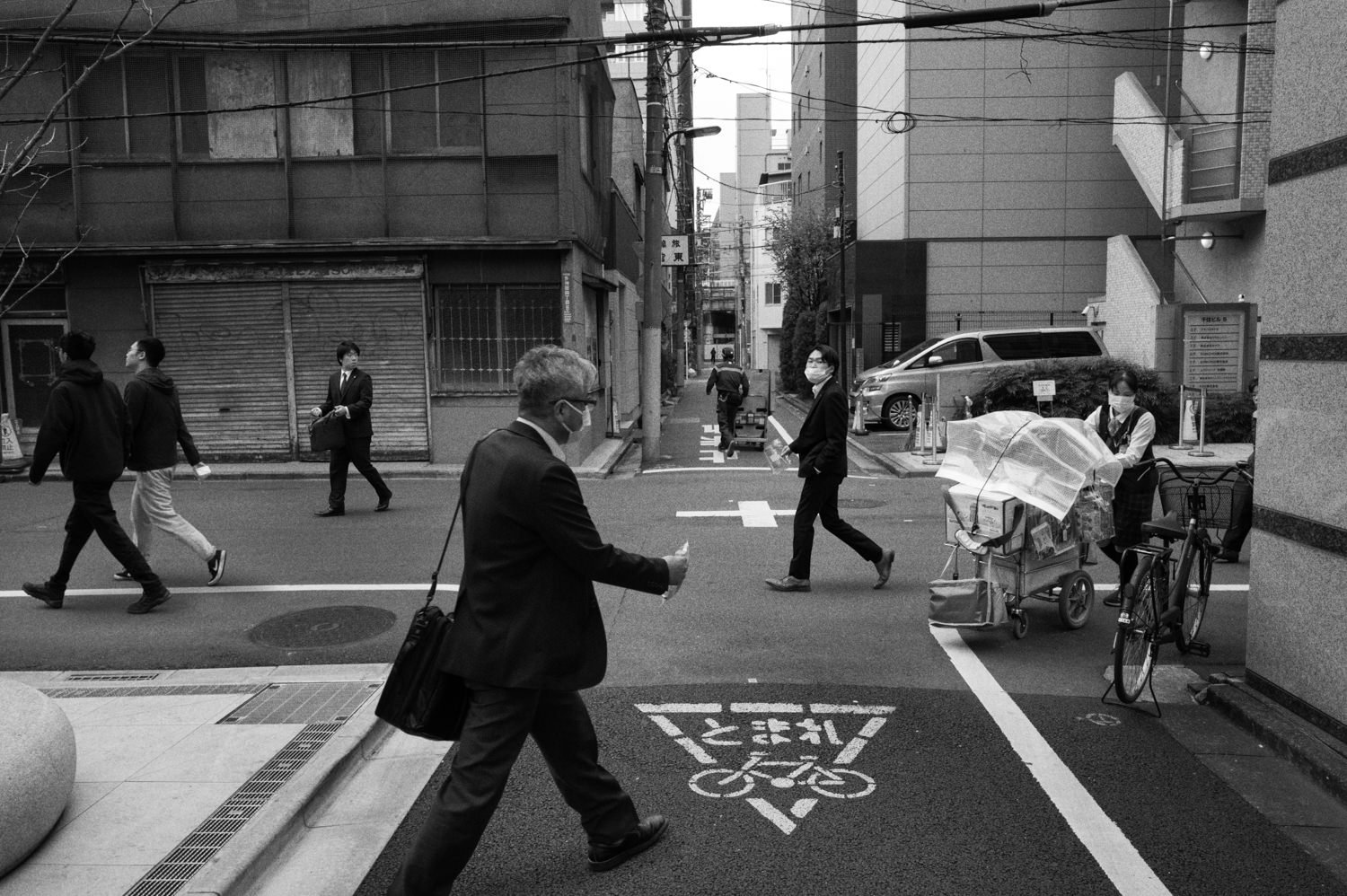
Tokyo, Leica Q
The approaches to street photography portraits are as varied and diverse as the multitude of subjects that one encounters on the streets themselves. There's the direct gaze – perhaps the most powerful and evocative of all the methods. When a subject looks directly into your lens with intention, something truly extraordinary happens. The photograph transforms into a window, not just to their face, but to their deeper essence and inner world. These striking images often emerge from brief yet meaningful interactions, where a smile, a nod, or just a few kind words can create a profound bridge of trust, allowing for a more authentic and genuine capture.
Then there are the unguarded moments, those fleeting instances when subjects seem completely lost in their own worlds, unaware of the observer nearby. These images capture something profoundly different – the private face we often wear even in bustling public spaces. Working with the Q3's advanced face detection system has truly revolutionized this particular approach to photography. The camera becomes a seamless extension of your instincts, allowing you to effortlessly focus on the decisive moment unfolding before you while maintaining that beautiful separation between subject and background that the Summilux lens renders so magnificently, especially at wide apertures.
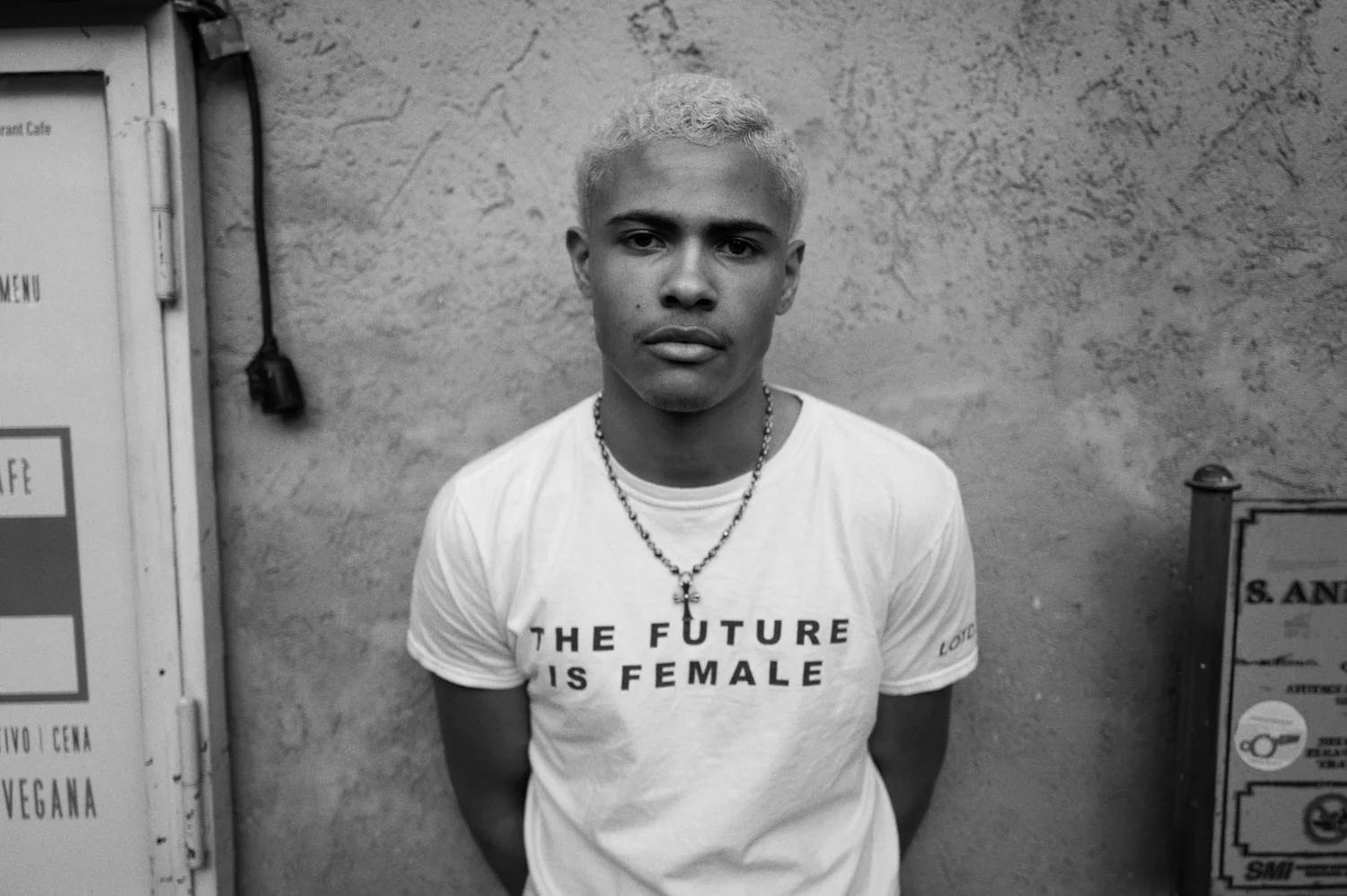
Rome, Leica Q2
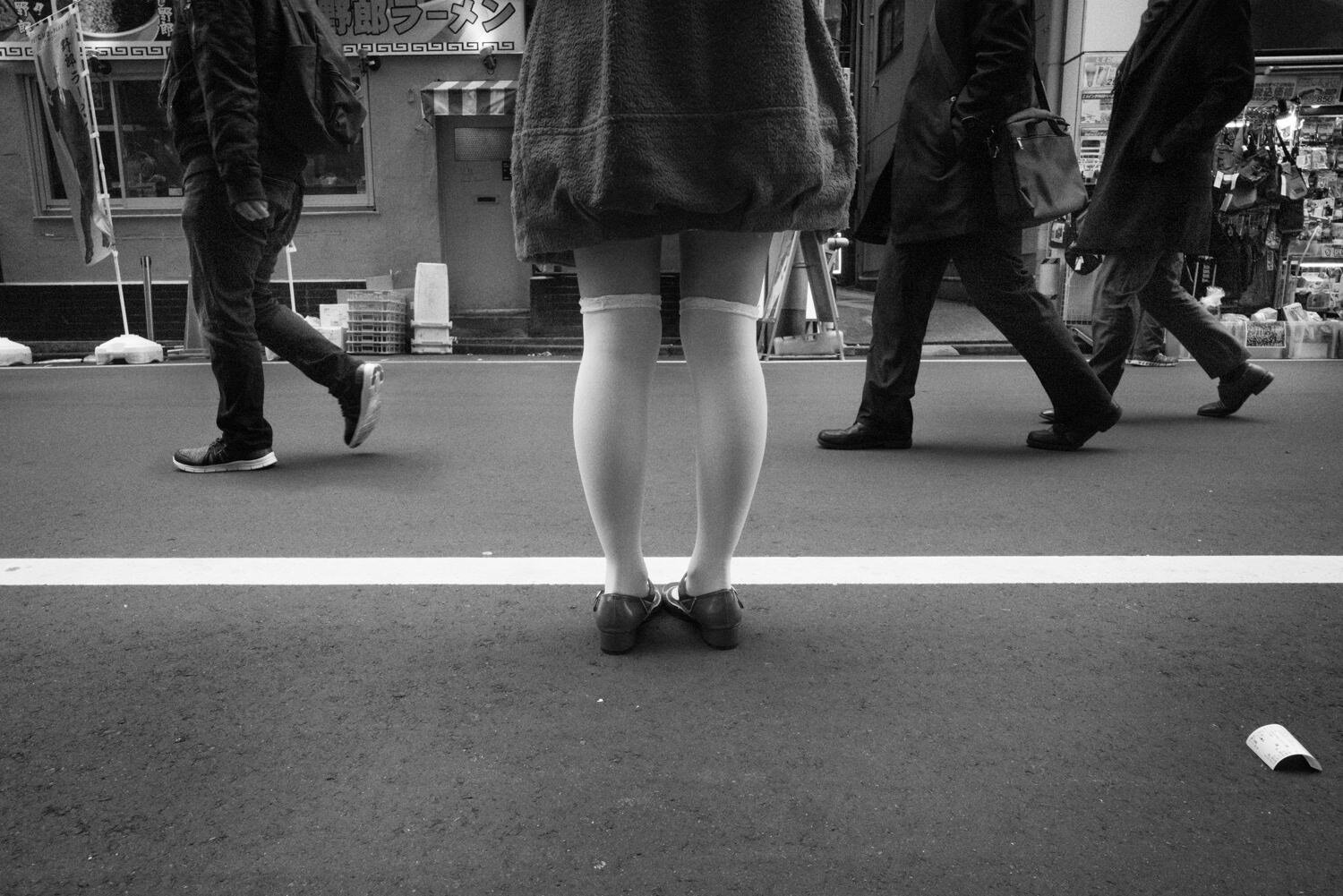
Sometimes, the most compelling and thought-provoking street photography portraits don't show faces at all. Photographing subjects from behind introduces a captivating element of mystery that invites viewers to complete the story themselves, igniting their imagination. These images often resonate with and speak to universal human experiences – solitude, contemplation, and the journey rather than just the destination. It’s in this subtle exploration of the unseen that deeper narratives often unfold, revealing the emotions and thoughts that each subject may carry with them.
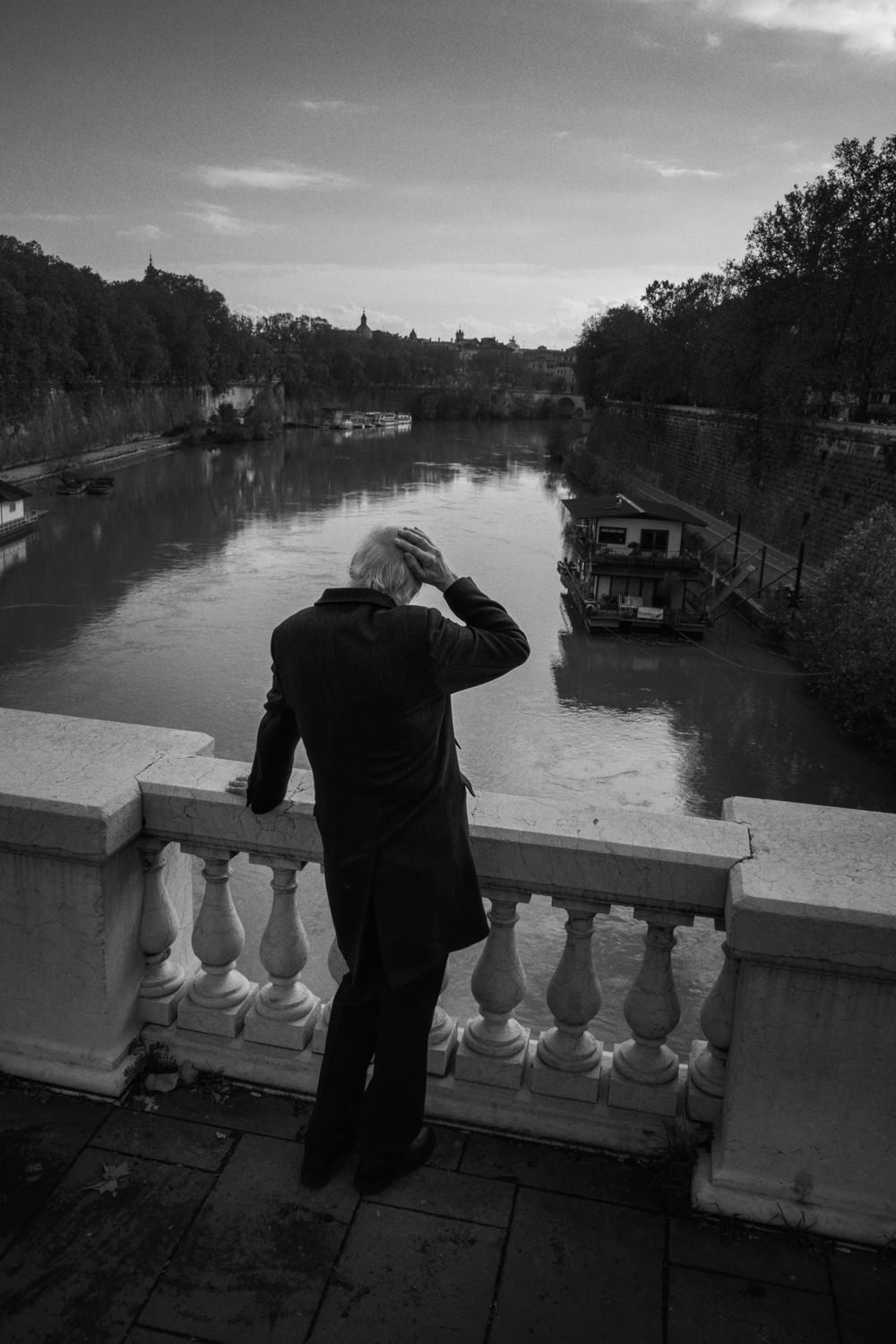
Rome, Leica Q2
The technical approach to street photography portraits requires a different mindset than general street photography. When I'm doing wider street work, capturing scenes and distant subjects, I'll work at f/11 for maximum depth of field. But portrait work on the streets is an entirely different dance. With the Q3, I embrace the remarkable capabilities of its autofocus and face detection system, working with apertures between f/1.7 and f/2.8. This creates that magical separation between subject and background while maintaining tack-sharp focus on the eyes. Auto ISO with shutter speeds around 1/250s ensures my subjects remain crisp and clear, letting me focus entirely on the human connection unfolding before me.
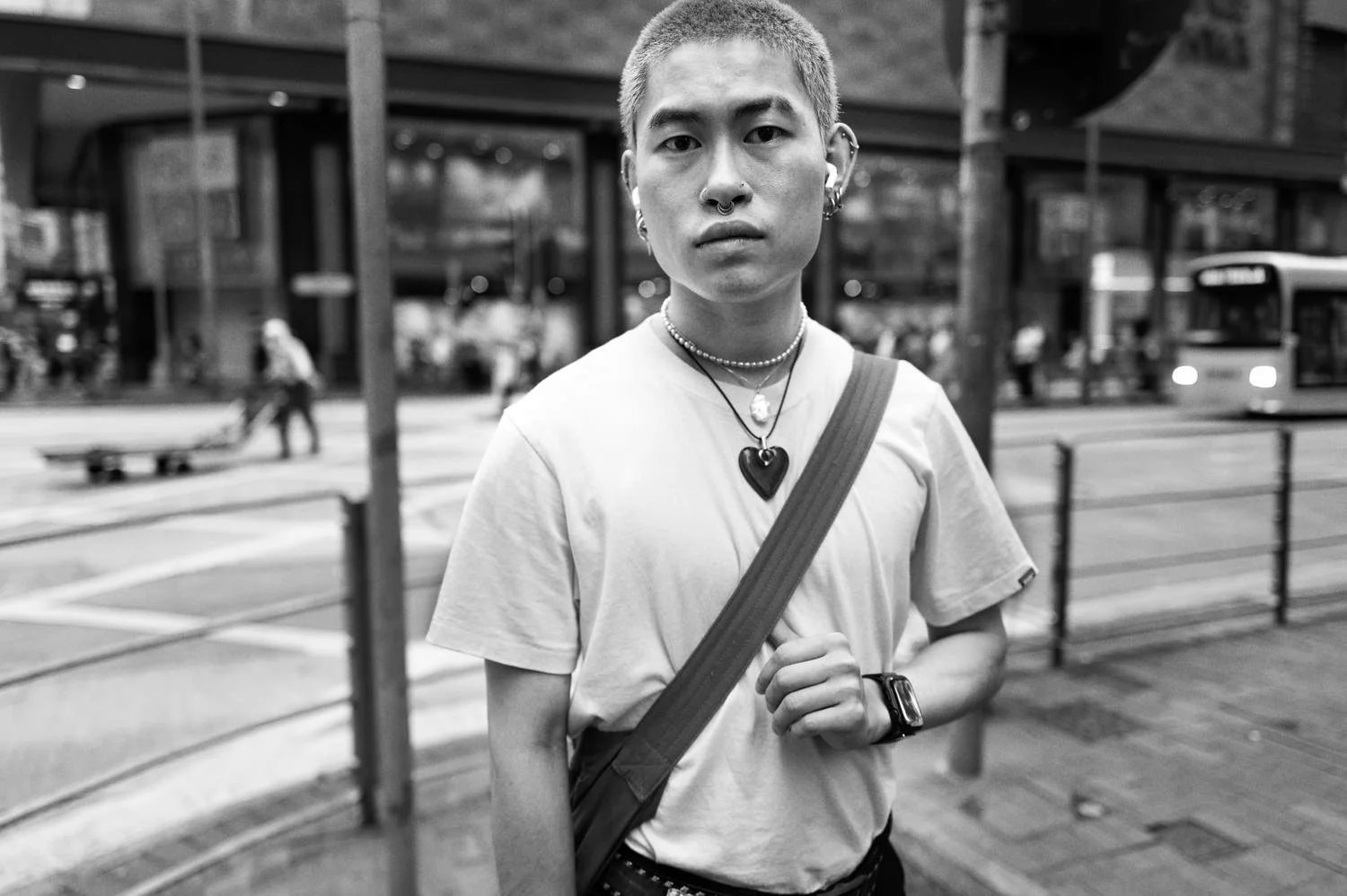
Hong Kong, Leica M11
The M11P with the 50mm Summilux brings its own special magic to street portraiture. Here, I typically work around f/2, embracing the lens's legendary rendering and that ethereal quality it brings to backgrounds. Manual focusing becomes a meditation, a practiced art that, while demanding, brings its own rewards. Again, auto ISO with shutter speeds around 1/250s keeps my subjects frozen in time while I concentrate on the delicate dance of focus and composition.
This technical foundation skillfully creates images that possess a distinct signature. The shallow depth of field effectively isolates subjects from their surrounding environment without completely disconnecting them from it, thus producing portraits that feel both intimately personal yet firmly grounded in their urban context. The background melts seamlessly into a rich tapestry of vibrant colors and intricate shapes, while the subjects emerge with an almost captivating three-dimensional presence that draws viewers in.
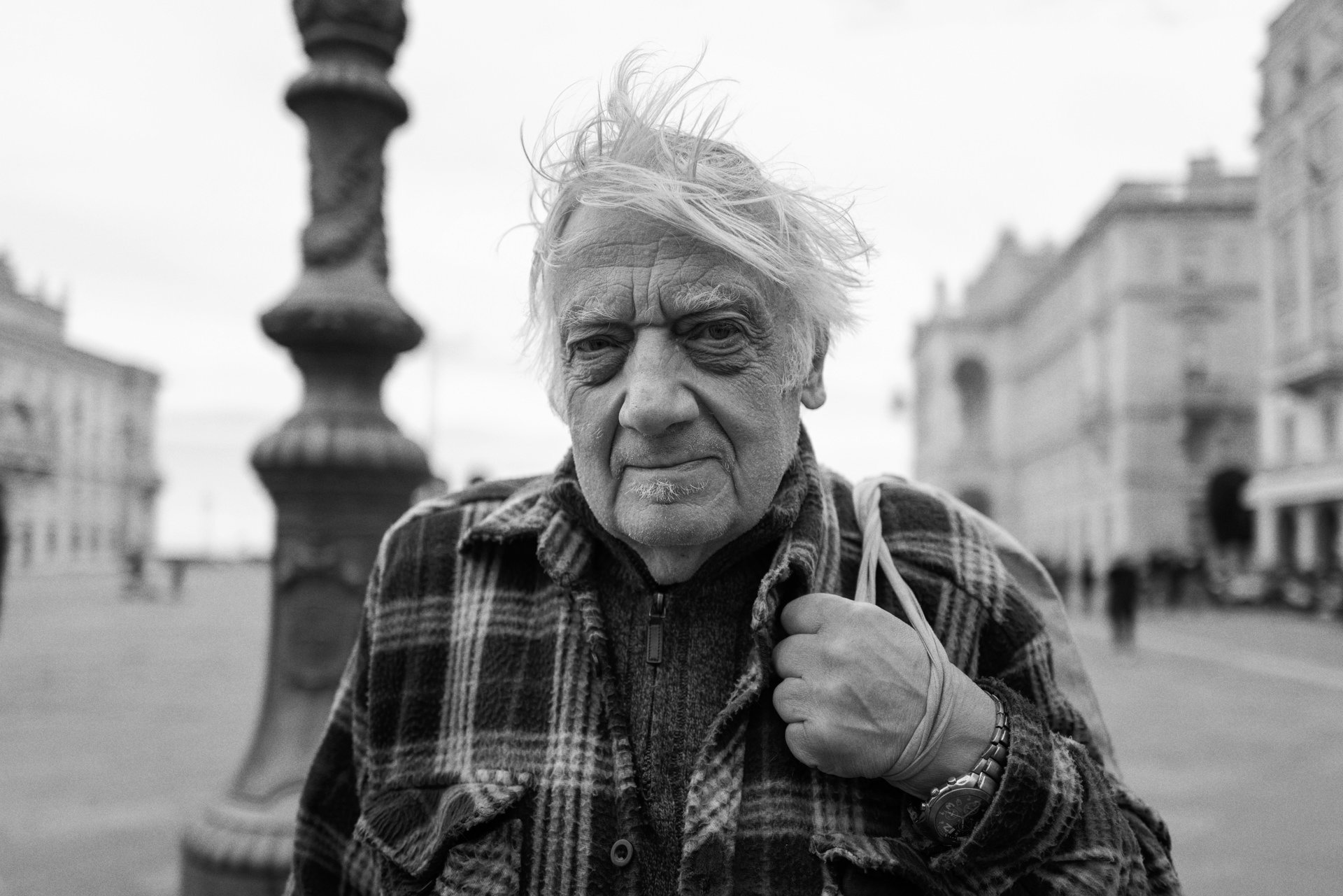
Trieste, Leica Q2
But perhaps the most important aspect of street photography portraits isn't technical at all – it's the profound ability to create genuine, if brief, connections with strangers we encounter in our daily lives. Every single portrait is a collaboration, even if unspoken and fleeting. It's about recognizing the inherent dignity and beauty that exists in every face, every gesture, and every moment of human existence that passes before the lens. This connection transforms an ordinary snapshot into a meaningful narrative, capturing the essence of what it means to be human in a vibrant and bustling world.
In the end, street portraiture is about stories – those we tell about others and, inevitably, those we tell about ourselves. Each image becomes a mirror, reflecting not just our subjects but our own humanity. When I raise my Leica to my eye, whether it's the Q3 or the M11P, I'm not just making photographs – I'm participating in the grand tradition of bearing witness to the extraordinary tapestry of human life that unfolds on our streets every day.
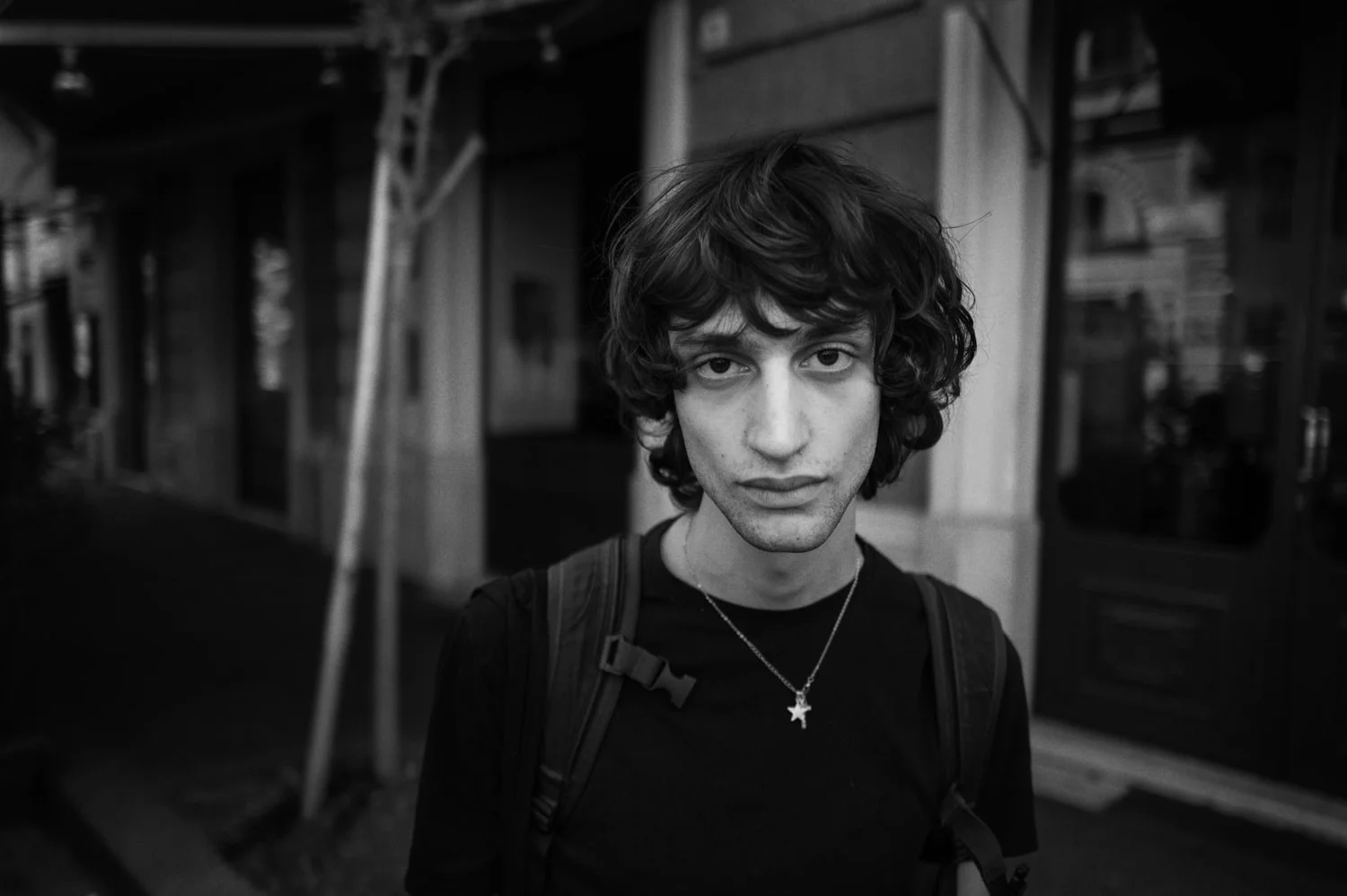
Rome, Leica Q3
This is what makes street portraiture so endlessly fascinating. It's not just about capturing faces; it's about capturing moments of truth, fleeting expressions of the human condition. In a world that often feels increasingly disconnected, these brief encounters remind us of our shared humanity, one frame at a time.
Visit my Street Photography Portrait Gallery.